Published : 27 Oct 2013, 01:07 AM
Updated : 09 Aug 2022, 11:15 AM


They see no reason why this shutdown stretching over three days should be enforced by the 18-Party alliance.
There is also the fear that Saturday’s development during the strike will steer the two major parties away from reaching a consensus.
“The Prime Minister wants to sit for talks, so there is no meaning to going ahead with the strike,” said audit firm executive Tonmoy Debnath. “I think the strikes will be violent which will distance the two parties.”
“I hope the two leaders will walk towards a resolution and an election.”
Shutdowns usually hit the regular people of Bangladesh the hardest. Schools, colleges and universities are nearing examinations, the thought of strikes hampering students are causing worries among parents and guardians.
Ninth grade student Nomrota Sarkar said, “Our exams were supposed to start on Oct 23 but that was delayed. We can’t get out, tutours can’t come to our houses, so completing the syllabus is becoming impossible.
“Parents are really worried about this.”
Homemaker Shahana Akhter said, “I saw the news of their (Sheikh Hasina and Khaleda Zia) phone conversation on television. Strikes are harmful to us and to the education of our children.”
“O-level examinations have fallen within the strike. JSC, PSC examinations are ahead of us. Besides that, the working people of the house have to take risk to go to work.”
Abdul Mannan, a cloth businessman from Uttara, mentioned how strikes damage businesses.
“Who will pay for my losses during the strike?” he asked bdnews24.com. “There should be an end to calling irresponsible strikes without the least amount of logic.
“The Leader of the Opposition said she will enforce the strike if there is no effort for talks,” he continued.
“The Prime Minister has fulfilled that condition by initiating the offer for talks. Then why is the strike still there?
“Strikes in Bangladesh usually are for lame excuses but this strike doesn’t even have that.”
Private employee Shamsul Haque spoke about the risk one took to go to work on strike days.
“It is not clear what the two leaders want,” he told bdnews24.com. “This could just continue in this way but it is us who suffers.
“My office is in Savar, I live in Tejgaon. The commute is far from easy. They (leaders of the two major parties) don’t have to face this difficulty.”
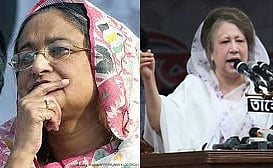
BNP Chairperson Khaleda Zia speaking at an 18-Party rally of Friday threatened what she called an ‘illegal’ government with a 60-hour strike, scheduled to start from 6am Sunday, if it did not extend an offer for talks within two days.
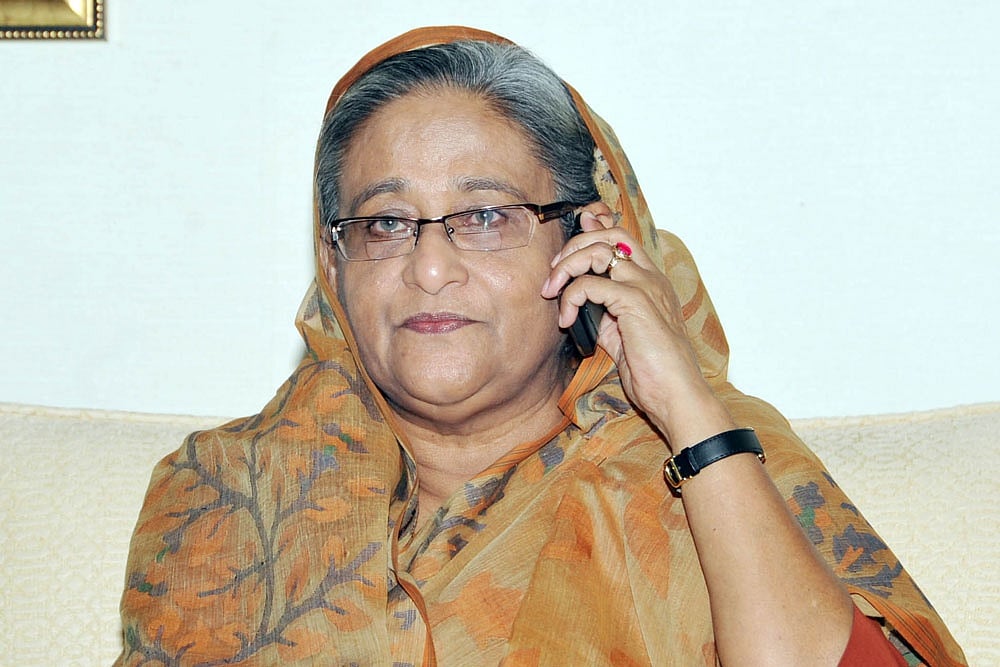
Prime Minister Sheikh Hasina on Saturday called the Leader of the Opposition and even after failing to reach her once spoke to her for about 37 minutes in the evening. Hasina in the historic phone call invited Khaleda and others to dinner at Ganabhaban on Monday evening.
BNP, however, rejected the dinner invitation saying talks will follow the strikes.
Bangladesh Agriculture Research Institute Director General Rafiqul Islam Mondol told bdnews24.com, “The phone call between Khaleda and Hasina is big achievement. There is no example like this in the history of Bangladesh.
“The Opposition Leader should respect the Prime Minister and withdraw the strike. She could have announced a programme if she failed tp reach a concensus after discussions with her.”