Published : 06 Jun 2022, 04:10 PM
Updated : 25 Oct 2022, 09:53 AM


From a car sunroof Kere, the first African and Black winner of the Pritzker Architecture Prize, brandished his gold medal to cheering roadside crowds as he headed to Gando in the dusty southeast corner of the poverty-striken West African country.
Locals gave him hugs and regaled him with music and dance.
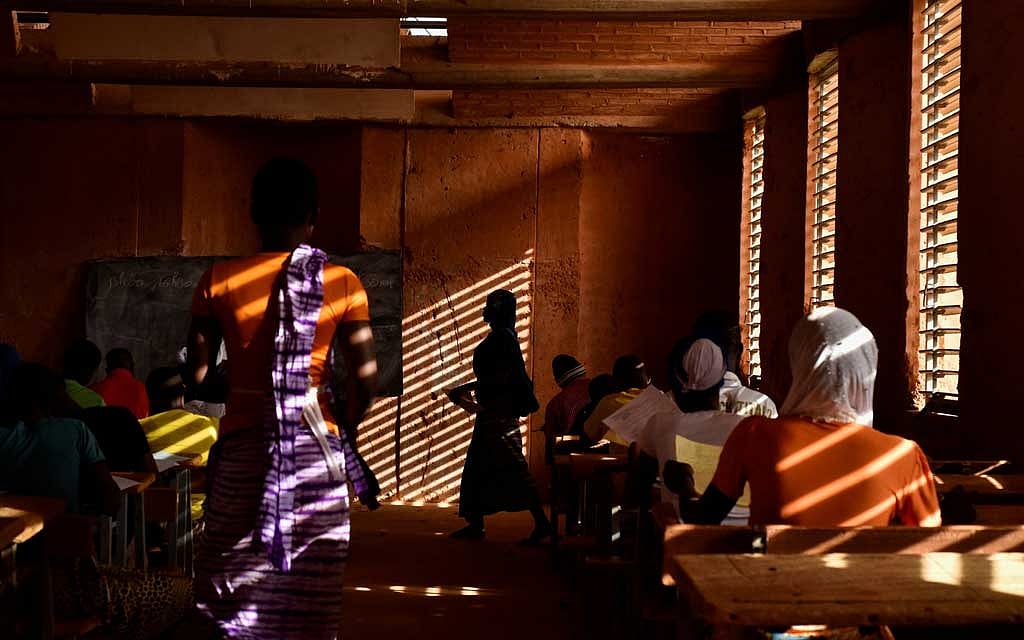
Students attend their final exam at the secondary school that was built by Francis Kere, an architect who won Pritzker Prize in his native village Gando, Burkina Faso, Jun 3, 2022. REUTERS/Anne Mimault
He returned to visit two schools he designed that were built using local materials and labour, with an emphasis on combatting the region's crippling heat.
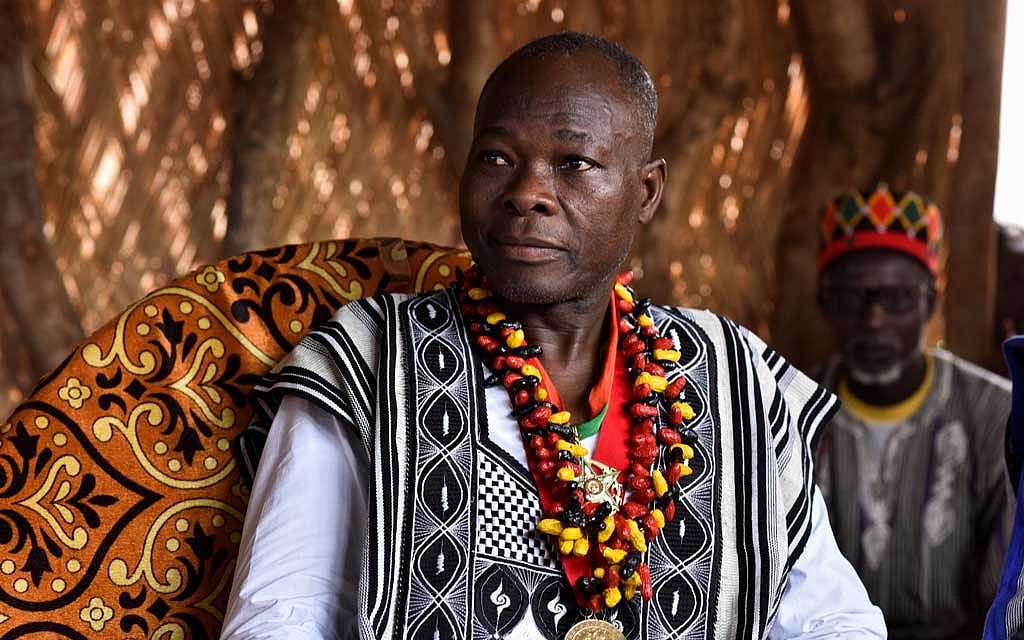
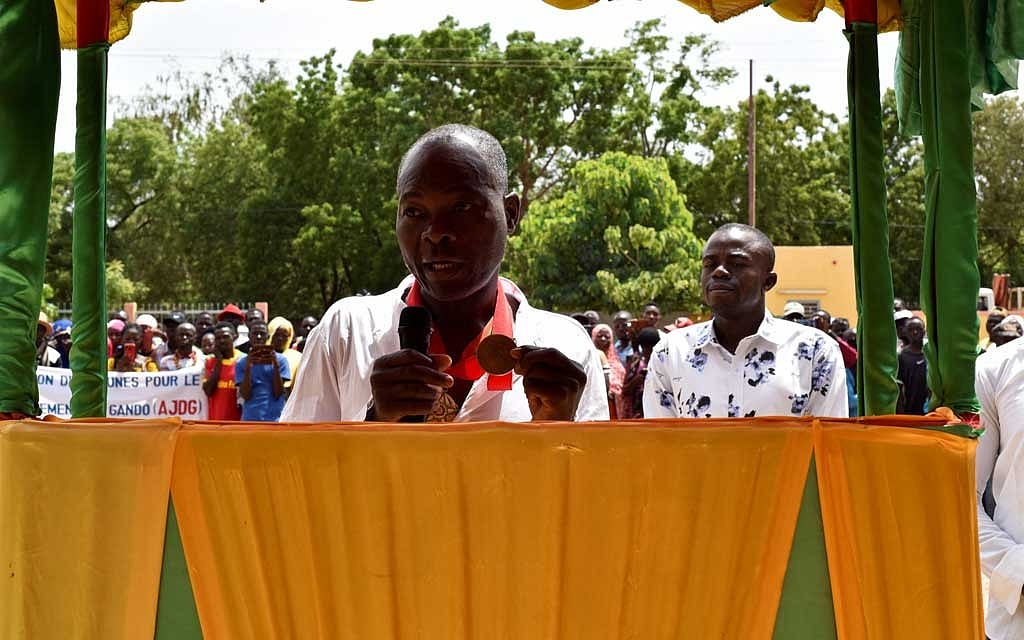
Francis Kere, an architect speaks during a ceremony that was held by traditional leaders to honour him, after he won Pritzker Prize, in his native village Gando, Burkina Faso Jun 4, 2022. REUTERS/Anne Mimault
"I have a feeling of great gratitude and satisfaction from seeing that all the efforts that we have produced together, the work that we did together, is recognised and the people are proud of it and realise that we did a good job."
Kere splits his time between Burkina Faso and Germany, where he studied and established his practice.
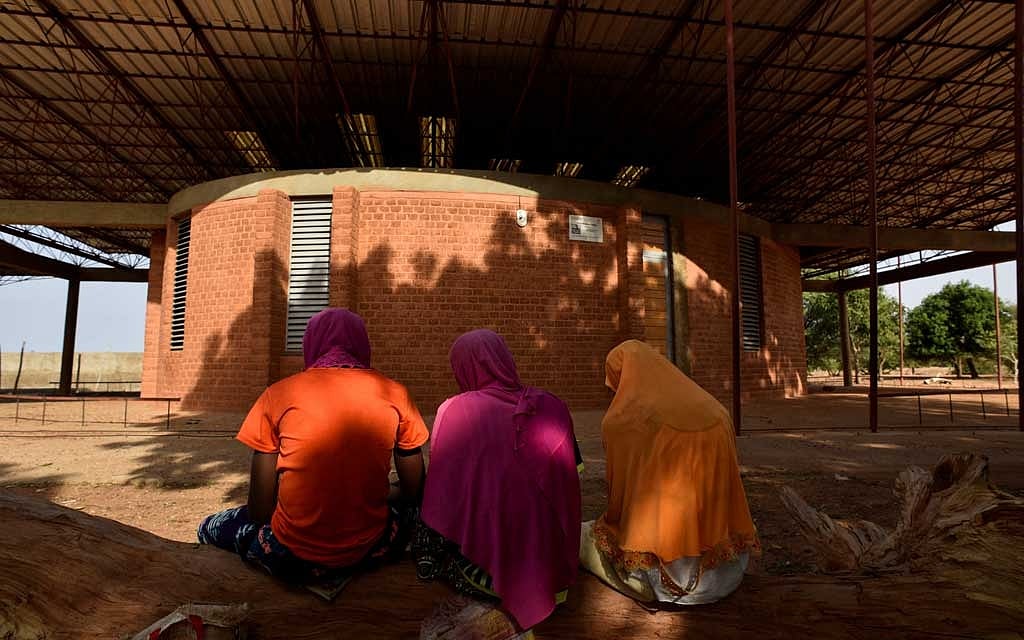
Girls study for their final exam as they sit in front of the library that was built by Francis Kere, an architect who won Pritzker Prize in his native village Gando, Burkina Faso June 4, 2022. REUTERS/Anne Mimault
Kere went on to design schools, health facilities and public spaces across Africa, Europe and the United States.
The Pritzker, often referred to as the Nobel Prize of architecture, has been awarded annually to visionaries such as China-born IM Pei, British-Iraqi Zaha Hadid and Renzo Piano of Italy.