


Published : 31 Dec 2016, 02:03 AM
Updated : 19 Oct 2022, 05:37 PM


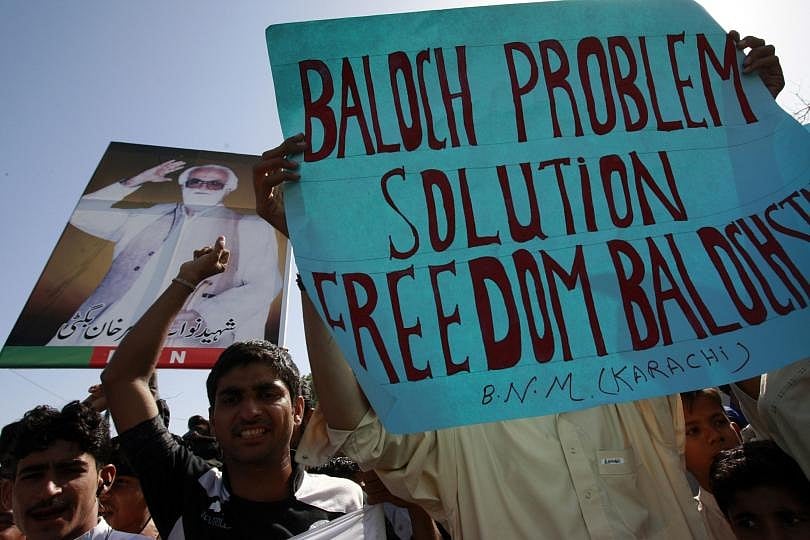
Activists say the figures, obtained from the human rights ministry by BBC Urdu, point to large-scale extrajudicial killings. Relatives say most victims had been picked up by security agencies.
The government blames the dumped bodies on infighting among insurgent groups.
Thousands of people have disappeared without trace in Balochistan since a separatist insurgency gained momentum in 2007.
A military-led operation was launched in early 2005 in a bid to wipe out the uprising by ethnic Baloch groups, who are fighting for a greater share of the province's resources.
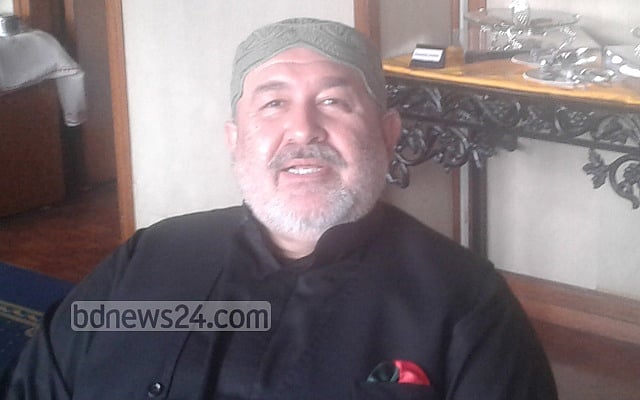
Self-exiled Baloch leader Mir Suleman Dawood Jan Ahmedzai, known as ‘Khan of Kalat’, recently told bdnews24.com in Dhaka that Pakistan was committing the same atrocities that they had committed with Bangladesh.
He was referring to Bangladesh's 1971 Liberation War against Pakistan in which 3 million Bengalis were killed.
“More than 25,000 people are missing and over a million displaced. First, people go missing and then they are found in the wilderness....tortured, bullet-ridden bodies," he had said, adding that Pakistan had taken a “kill and dump policy”.
He sought Bangladesh’s support in their effort to liberate Balochistan from “Pakistan’s occupation” as he had been trying to gather international support for their cause of an independent Balochistan staying in Britain since 2007.
The BBC citing the Federal Ministry of Human Rights said at least 936 dead bodies have been found in Balochistan since 2011.
One of the more prominent cases of "kill-and-dump" is that of Jalil Reki, a political activist who lived in the Saryab neighbourhood of Quetta.
He was arrested at his residence in 2009, and his body was found two years later in the Mand area near the Iranian border, some 1,100km (680 miles) south of Quetta.
"They came to our house in three vehicles. These were the vehicles of agencies. They took away Jalil," his mother told the BBC.
"The police did not take our report. Our male relatives later approached the then chief minister's office, but we could not get any response.
"Two years later some people found his body in Mand. He had one bullet in the head and three in the chest. His arms were fractured and there were cigarette burns on his back."
Jalil Reki was tortured before he was killed and his body dumped
Relatives of the victims believe the number may be higher.
The Voice for Baloch Missing Persons (VBMP) told the BBC that it has recorded 1,200 cases of dumped bodies and there are many more it has not been able to document.
Nasrullah Baloch, the head of VBMP, told the BBC most of the bodies "are of those activists who have been victims of 'enforced disappearances' - people who are picked up by authorities and then just go missing."
His allegations chime with an independent Human Rights Commission of Pakistan (HRCP) report of 2013 that noted "credible reports of continued serious human rights violations, including [enforced] disappearances of people, arbitrary arrests, torture and extrajudicial killings".
Provincial government spokesman Anwarul Haq Kakar, however, denied that state agencies were involved in such acts.
"There are several explanations. Sometimes insurgents are killed in a gunfight with law enforcement agencies but their bodies are found later," he told BBC.
"Militant groups also fight among each other and don't bury their dead fighters. Then there are tribal feuds, organised crime and drug mafia."
There have been frequent protests by relatives of the victims and Baloch nationalist organisations over the years, while many have fled to foreign countries or safer locations within Pakistan.
Naveed Baloch, who was briefly held by the German police for the Dec 19 truck killings in Berlin, left Pakistan in February to "escape persecution" in his village in Mand region.
An activist of a nationalist party, he was arrested and tortured by Pakistani forces in Balochistan last year. More recently, his home in the village was raided again, his cousin, Waheed Baloch, told BBC Urdu.













