Published : 12 Dec 2019, 05:18 PM
Updated : 17 Oct 2022, 11:50 AM


A victim of the Indian capital's deadliest fire in two decades, Khan was one of eight migrant workers from Narayanpur village whose charred bodies were found in the doomed leather processing factory.
"My husband is too unwell to work and my son was our only hope. We're completely shattered," Rubina Khatoon, his mother, told Reuters by telephone from the family home.
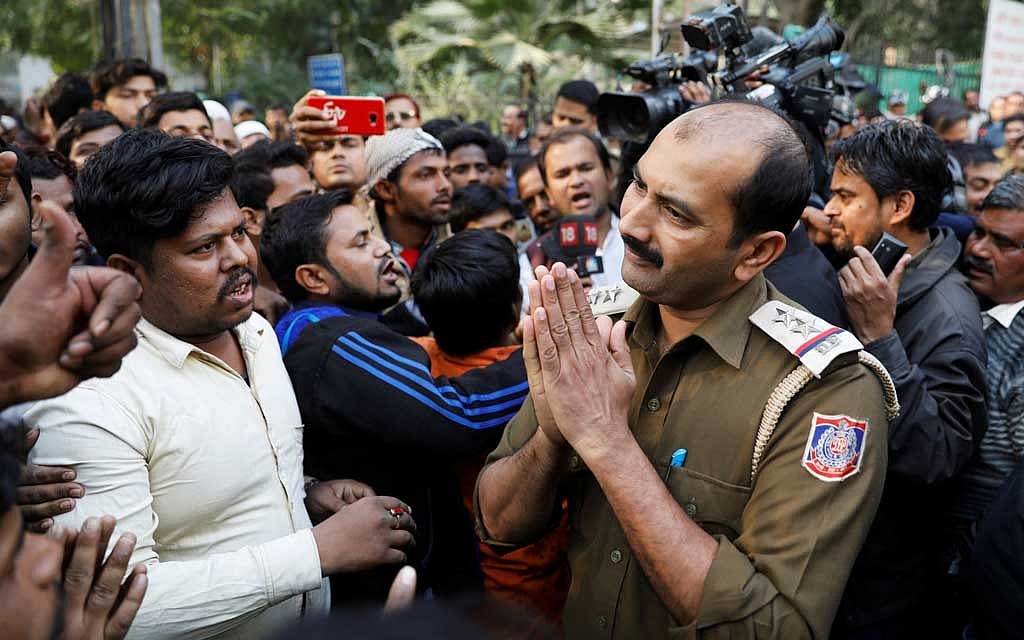
A police officer requests relatives of the victims, who died in a fire that swept through a factory where labourers were sleeping on Sunday, to maintain peace as they demand handing over of the bodies outside a hospital mortuary in New Delhi, India Dec 9, 2019. REUTERS
Khan, 23, was using the pittance he made to support his sister and brother's education and buy medicine for his father, a diabetic, his mother said. "My son would have only two meals a day to save money and send 3,500-4,000 rupees to us every month. He would hardly keep 500-1,000 rupees for his day-to-day expenses," she recounted.
Too poor to afford rent, the victims ate and slept in a windowless room in the middle of plastic and leather processing machines. When the fire broke out, they died of asphyxiation before the flames swept through what became their death chamber.
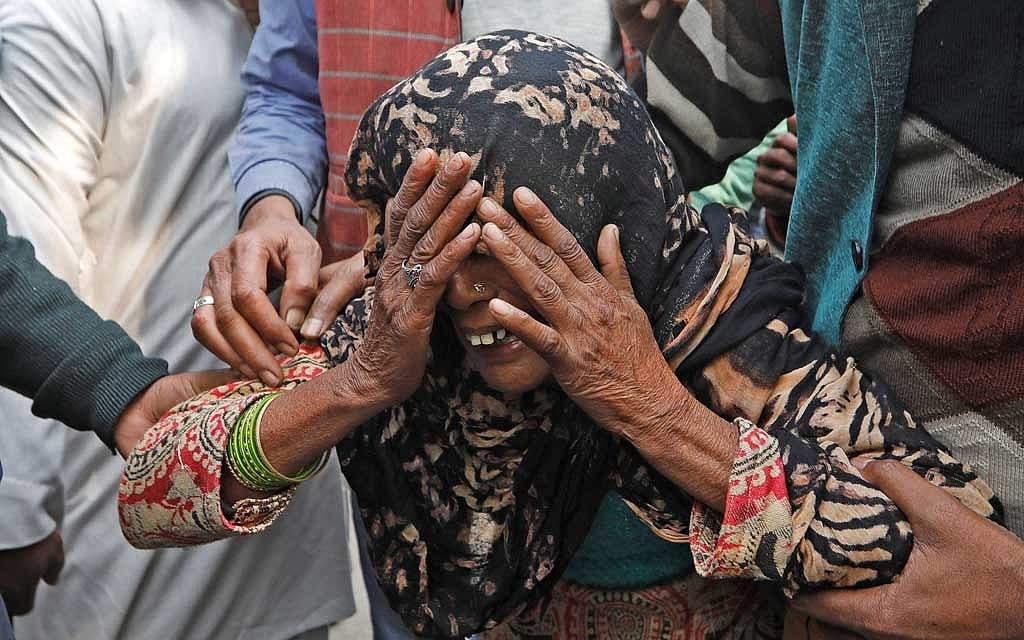
A woman cries as she waits outside a mortuary to receive the body of her relative who died in a fire that swept through a factory where labourers were sleeping on Sunday, in New Delhi, India Dec 9, 2019. REUTERS
They often operate without proper government permissions and with little or no regard for fire safety regulations.
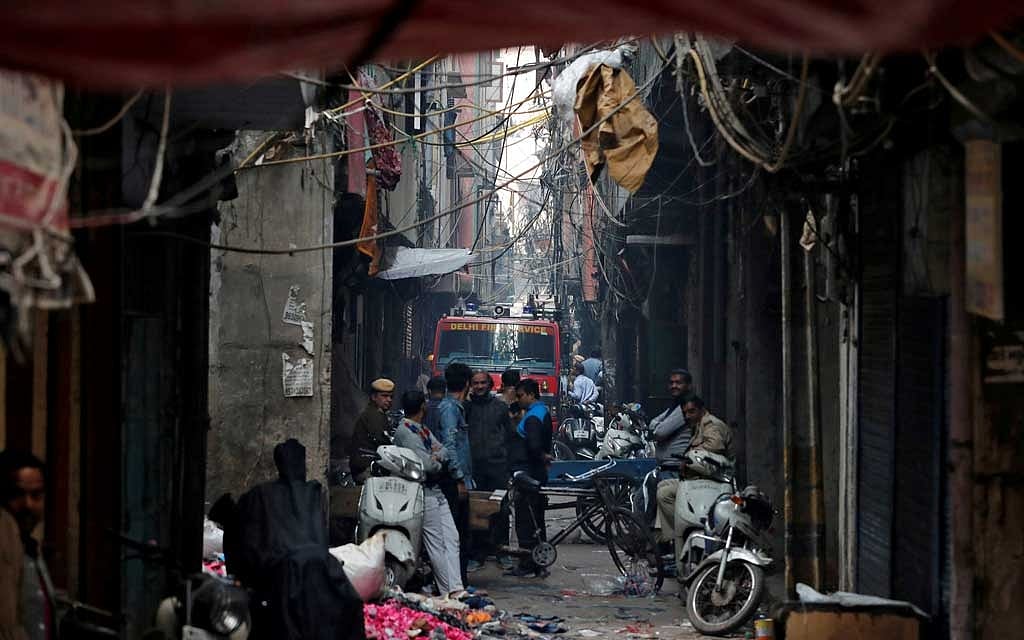
This week, it was work as usual in the other industrial units along the lane where Sunday's tragedy occurred. The power for their machines delivered by a tangled electrical cables strung overhead.
"Look at that tangle of wires," said Ram Kishore Yadav, a labourer, staring up from the street where 42 men died.
"I won't be surprised if another fire breaks out around here."