


Published : 30 Sep 2019, 11:30 AM
Updated : 17 Oct 2022, 11:46 AM


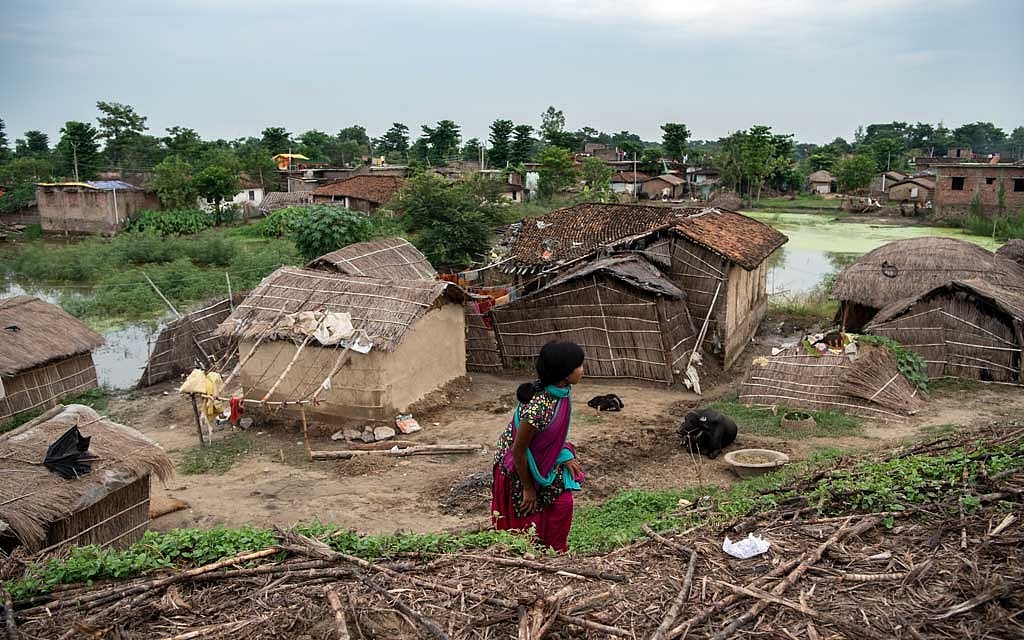
But this summer’s flash floods played out differently on the Indian side. Embankments blocked swollen upstream rivers from emptying south, leaving Nepal to deal with two or three times more flooding than India in some areas, according to local officials.
Now, India has become a chief target of anger and bitterness in Nepal as border communities take stock of losses from the floods.
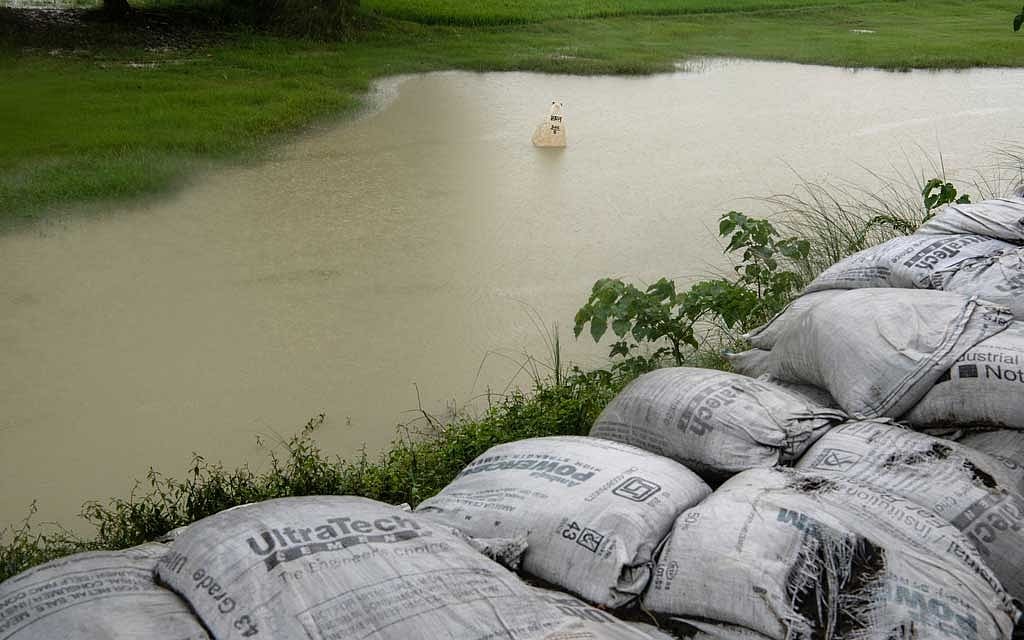
An embankment built by India on the India-Nepal border, on Sep 26, 2019. The New York Times
But the embankments have come under increasing scrutiny. Nepali officials say they have little control over many of these projects and that India — its bigger and richer neighbour — has been constructing them unilaterally for years, violating international guidelines on transboundary water sharing. The embankments are built largely near Indian border towns or in the buffer zone between the countries.
During July’s floods, which ranked among the worst in years, Nepali officials said India had kept some of the embankments’ sluice gates closed for too long, despite requests to open them. They said Nepal has little say over when the drains are opened and that water pooled near Gaur and other border towns, causing deaths and destruction.
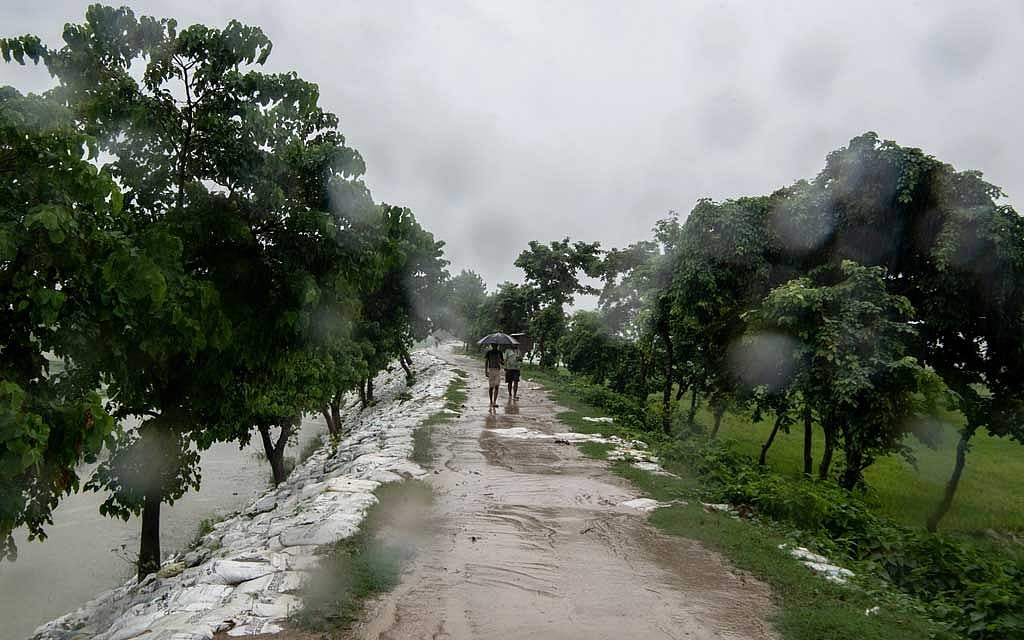
People walking in the rain along an embankment built by India at the border it shares with Nepal, on Sep 26, 2019. The New York Times
Indian officials said that the embankments were covered under previous agreements between the countries.
In Gaur, many people said they were furious at how things played out when the flooding started July 11. Bhupendra Khatri, the police chief for Rautahat, said at least 20 people died in the district, including two in Gaur.
© 2019 New York Times News Service













