Published : 14 Apr 2019, 11:05 AM
Updated : 08 Apr 2022, 02:07 PM


But did they apologise? Not exactly.
British leaders have always stopped short of making an apology for the bloodshed at Jallianwala Bagh, a walled garden in the northern Indian city of Amritsar where hundreds of people peacefully protesting colonial rule were shot dead on the orders of a British general.
And on Saturday, the 100th anniversary of the massacre, Britain did not succumb to mounting pressure to finally atone for one of the darkest days in centuries of colonial rule.
In Amritsar, Indian officials draped a stone memorial with flowers. Crowds lit candles. Britain’s high commissioner to India, Dominic Asquith, wrote in a guest book what has been said before: “We deeply regret what happened and the suffering caused.”
A gaggle of reporters met him. An apology did not follow.
“I would like to rewrite history, but you can’t,” he told them. “What you can do, as has been said, is to learn the lessons of history.”
The 1919 massacre is a key moment in the history of India’s independence movement, helping to consolidate support for the push away from British rule.
On the day of the massacre, thousands of people gathered at Jallianwala Bagh in defiance of a ban on public assemblies imposed by the British in Punjab region to protest the arrest of two nationalist leaders. A month earlier, the British had passed the Rowlatt Act, a law that suspended civil liberties and allowed for the trial of political prisoners without a jury.
Brig Gen Reginald Dyer, a British officer, met the protesters with force.
He ordered about 50 troops to fire on the unarmed crowd, some of whom were there to celebrate a religious holiday. As many as 1,000 people were killed.
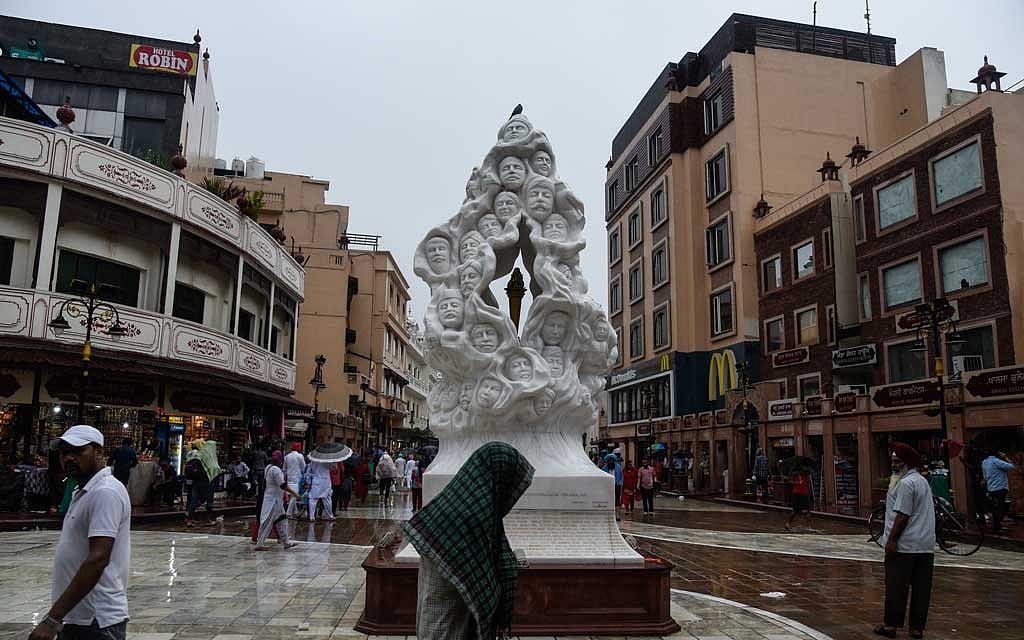
Apology or not, Amritsar has not forgotten. This past week, a group rallied outside Dyer’s former residence and led a procession to the massacre site.
On a recent visit to Jallianwala Bagh, visitors peered down the “martyrs’ well,” where people jumped to their deaths to avoid gunfire, and photographed a brick archway pocked by bullets.
“One thousand six hundred and fifty rounds were fired,” read one sign.
© 2019 New York Times News Service