


Published : 17 Jul 2015, 12:35 PM
Updated : 23 Apr 2022, 12:56 PM


South Korea's MERS outbreak was the largest outside Saudi Arabia, with 36 deaths and 186 people infected. It was traced to a South Korean man who returned from a business trip to the Middle East in May.
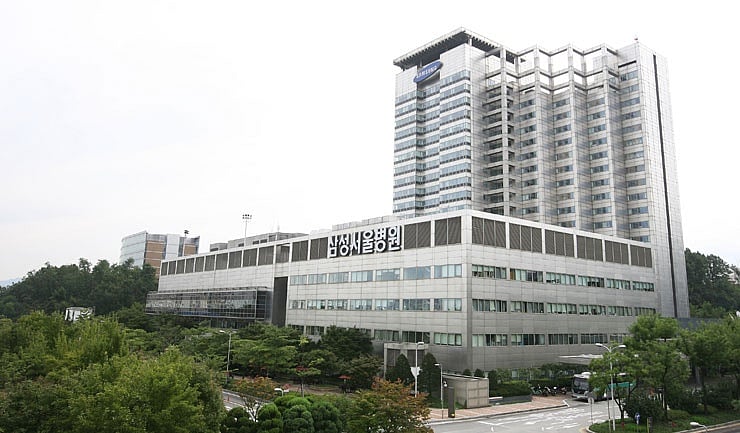
The Samsung Medical Centre, a prominent Seoul hospital run by South Korea's massive Samsung Group, had suspended most services and taken no new patients for more than a month, to focus on stopping MERS, after nearly half of the cases were traced to it.
Long emergency room waits at the hospital, one of Seoul's top medical centres, helped fuel the spread of the virus, tarnishing its image.
The outbreak forced the closure of thousands of schools, while customers avoided movie theatres and tourists canceled visits, dealing a blow to an already weakened economy.
It also exposed shortcomings in health care in South Korea, where a culture of lengthy group visits to sick relatives was among the factors blamed for worsening the spread of the virus.
South Korea's health ministry has said it was discussing with the World Health Organisation (WHO) when to declare the end of the outbreak.
No MERS patient in the country has died for six days, with only 16 still in hospital, and just 150 people remaining in quarantine for possible infection, down from 6,700, health ministry data shows.













