


Published : 07 Apr 2015, 09:31 AM
Updated : 08 Aug 2022, 04:45 PM


As Bangladesh celebrates the day on Tuesday with various programmes, including rally and discussion, the government has acknowledged food safety as a critical public health concern.
Health Minister Mohammed Nasim on the eve of the day on Monday called for “concerted effort” to ensure ‘safe food from farm to plate,’ theme of this year’s health day.
This highlights the fact that food can become unsafe for consumption at any level from farmers to food handlers, families and individuals who prepare and serve food.
But scientists suggest steps based on evidence, not perceptions.
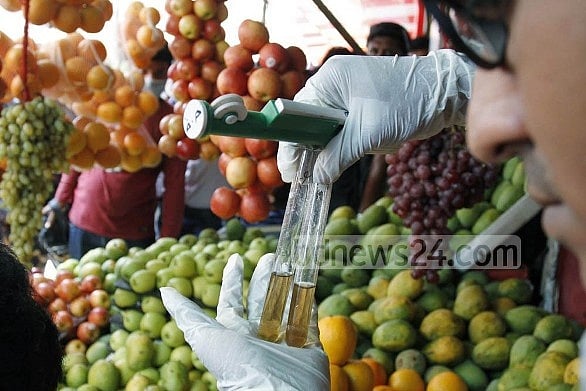
Senior Scientific Officer of Bangladesh Agriculture Research Institute (BARI) Dr M Sultan Ahmed told bdnews24.com that they found vegetables getting contaminated with pesticides in the hands of farmers.
“But that does not mean farmers will not use pesticides. Farmers in Japan use seven times more pesticides than Bangladesh, but Japanese people are eating safe food,” he said.
“The fact is knowledge gap,” he said.
“Farmers must use pesticide to keep crops safe from pests, insects, but they don’t know when to harvest the crop after using pesticides and that’s why when they harvest it the pesticides residue remain in the produce”.
Deputy FAO Representative in Dhaka David Doolan reciprocated Dr Ahmed’s views while talking to bdnews24.com on Monday.
He said pesticides have withholding period or pre-harvest interval and it varies from pesticides group to group.
“It’s a process of education (for farmers) and also a process of regulation” that the FAO deputy representative said could ensure proper use of pesticides.
He said to ensure food safety a country must have legislation, regulatory authority, and laboratory to generate scientific evidence.
Bangladesh has passed a National Food Safety Act 2013 while National Food Safety Policy is in the pipeline.
WHO says the food safety policies need to be “multi-sectoral” since food passes through multiple hands to reach plates.
The approach needs to be preventive - to improve food safety and quality through application of good farming practices by using agro-chemicals or prescribed veterinary drugs.
Good storage, transportation, retail and restaurant practices must be implemented to make food safe.
The UN agencies also suggest some simple daily measures to keep food safe for consumption that include maintenance of cleanliness and hygiene during food preparation, using safe water, cooking food very well, and not to keep raw and cook food together for preservation.













