Published : 15 Oct 2026, 01:05 AM
Updated : 15 Oct 2026, 01:27 AM


The wards look cleaner, staff appear busier and hospital corridors seem better organised. Then, within days of a surprise inspection by the health minister, the familiar disorder returns.
The pattern raises a difficult question: can sudden inspections improve healthcare, or do they merely offer a fleeting impression of reform?
Since taking office in February, Health Minister Sardar Md Sakhawat Husain has made unannounced visits to at least 30 hospitals, inspecting everything from wards and pharmacies to kitchens.
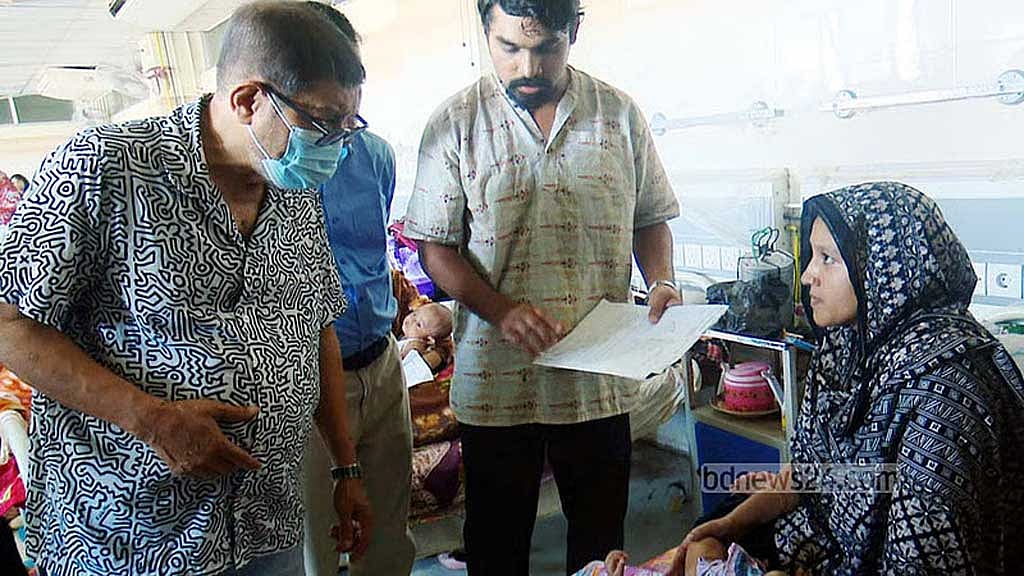
He has ordered transfers, dismissed staff and publicly expressed anger over lapses. Videos of the visits have circulated widely on social media, drawing both praise and criticism.
To assess what remains after the minister leaves, bdnews24.com visited three hospitals in Cumilla, Habiganj and Sylhet.
The findings were familiar: dirty facilities, patients struggling to obtain treatment and management problems that disciplinary action alone has yet to resolve.
Clean-Ups That Do not Last
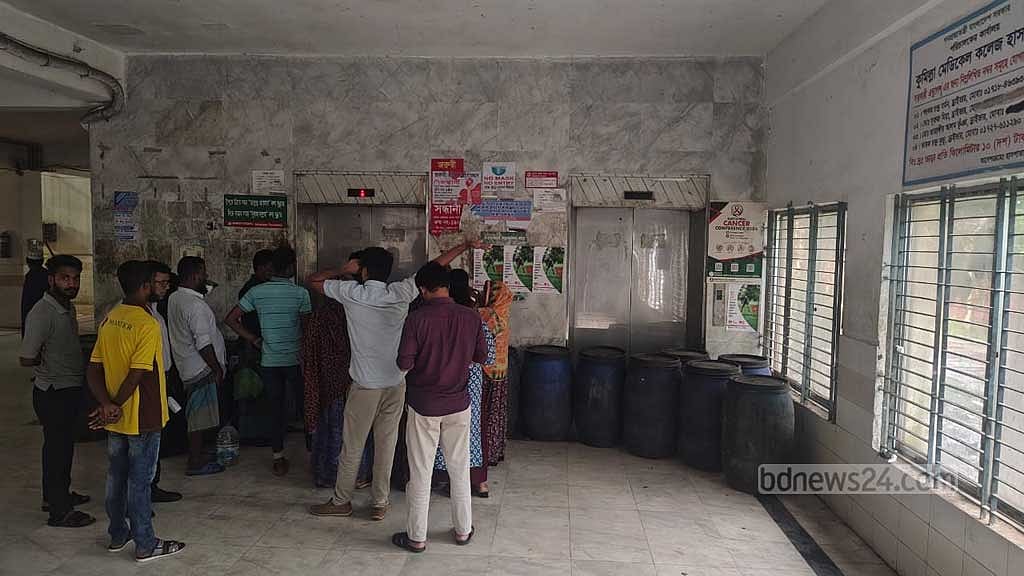
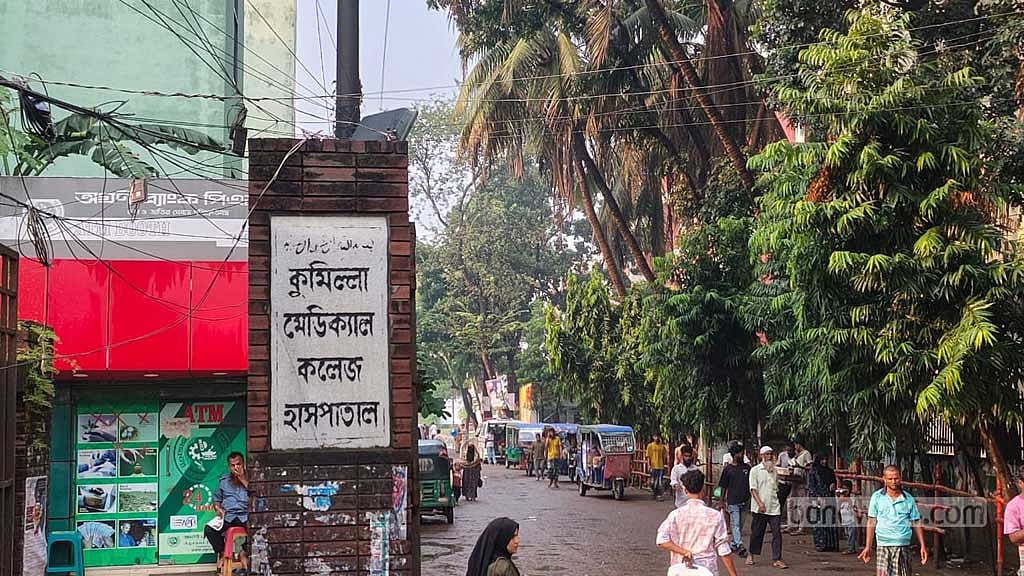
At Comilla Medical College Hospital, the minister inspected the kitchen, wards and sanitation arrangements on May 5, expressing hope that even the fear of another visit would improve conditions.
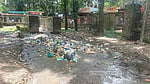
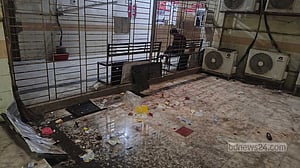
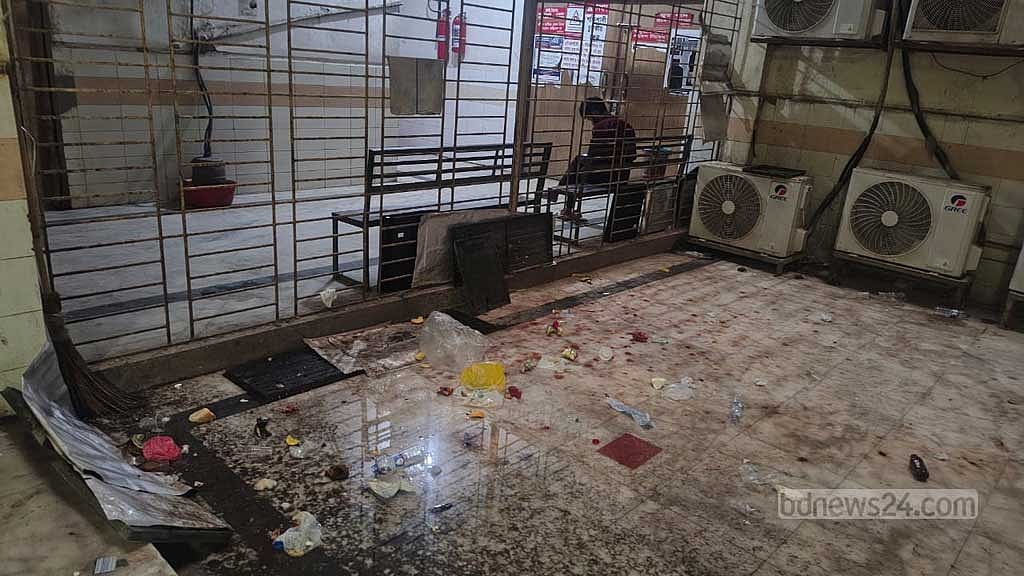
Four months later, rubbish and food scraps remained in corners of the medicine, paediatric and gynaecology wards. Open medical-waste containers emitted foul smells, while patients complained that waste was transported in the same lifts used by visitors.
“Medical-waste drums are kept in front of the lift. Sometimes their lids are open. This waste is transported in the same lift as patients and ordinary people,” said patient relative Samiul Islam.
Used syringes, betel stains and rubbish were also visible around the new building.
Acting Director Md Shahjahan said the hospital needed 126 cleaners but had only 53, some of whom performed other duties.
Principal Md Masum Hasan attributed the problem partly to overcrowding, with nearly three times as many patients as beds.
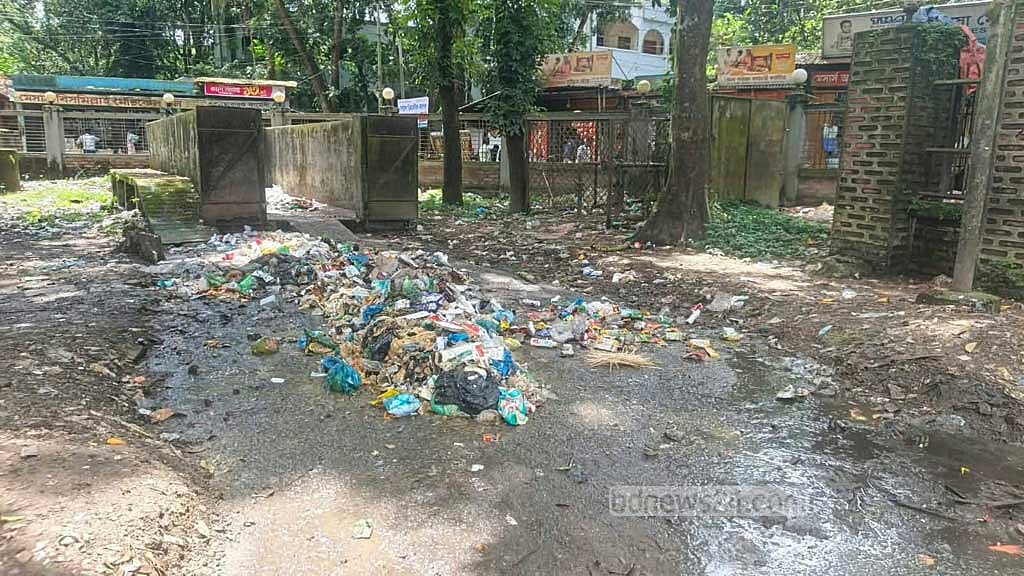
A month after Agriculture Minister Mohammed Aminur Rashid also expressed dissatisfaction with the toilets and ordered action, no visible improvement had emerged.
In Habiganj, patients said cleanliness improved for several days after Bakul’s Aug 29 visit, then deteriorated again. They continued to report dirty toilets, medicines unavailable in the hospital and diagnostic tests that had to be done elsewhere.
“I have to buy the necessary medicines from outside after being admitted to the hospital,” said Nurul Haque, from Lenzapara village in Shayestaganj.
Salma Begum, from Baniachong, said she had to pay for tests outside and buy all but one daily injection for her admitted daughter.
Superintendent Aminul Haque Sarker blamed shortages of doctors and other staff, saying services were being delivered with limited manpower.
A 7-Day Promise, the Same Problems
At Sylhet MAG Osmani Medical College Hospital, Sakhawat promised in early September that all problems would be resolved within seven days.
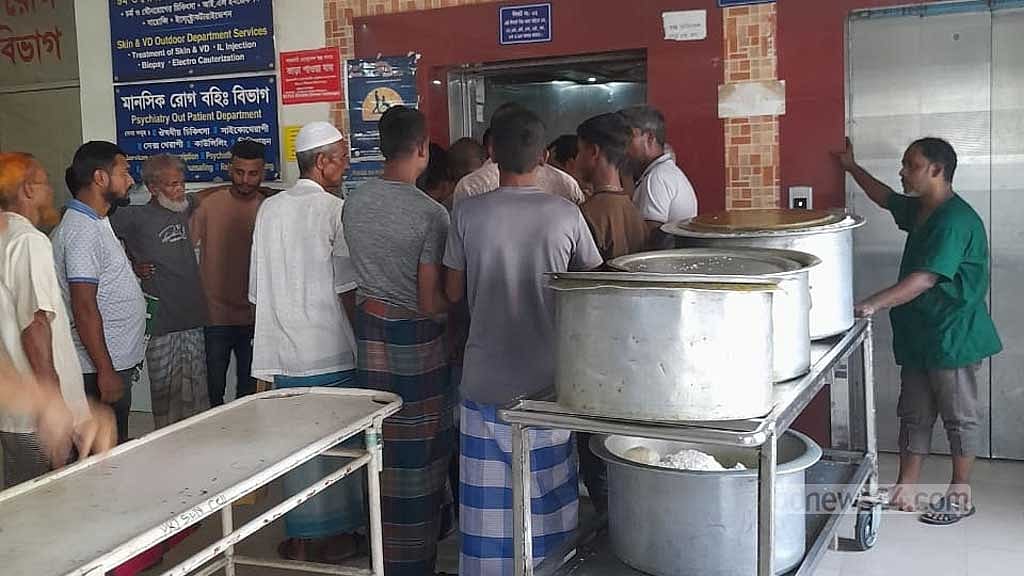
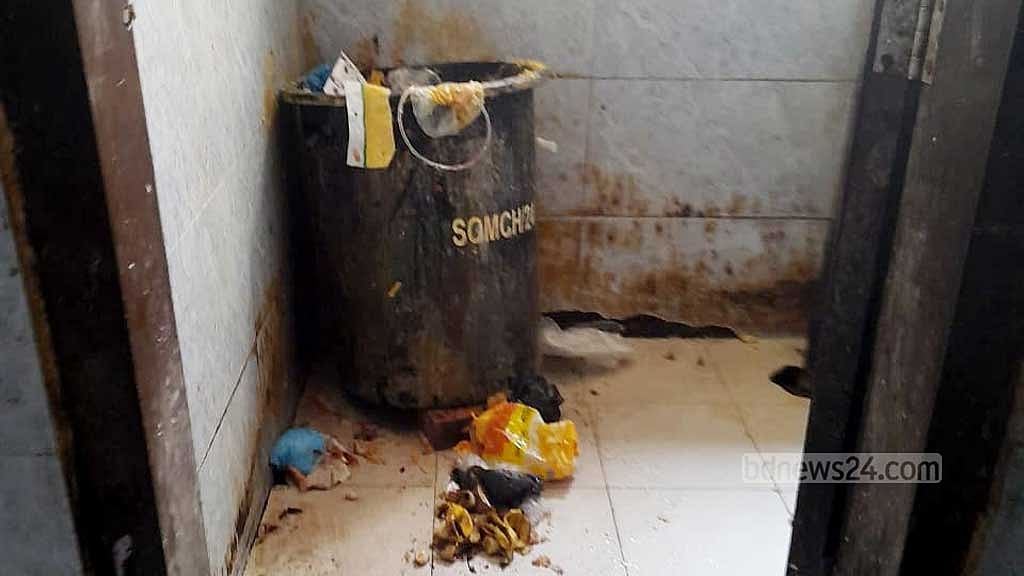
Yet a subsequent visit found rubbish and betel stains in stairwells, foul-smelling toilets and slippery floors. Patients and relatives were still staying beside bathrooms.
Deputy Director Humaiun Kabir said the 900-bed hospital treated about 3,000 patients daily. Its 40-bed cardiac ward accommodated 120, making it difficult to keep facilities clean despite repeated efforts.
Assistant Director Abul Kalam Azad, however, said the minister’s instructions had brought visible improvements in cleanliness and care.
The hospital had 262 outsourced cleaners, against an estimated requirement of 500 to 600, and had sent requests for more staff and equipment to the ministry.
Doctors Question the Approach
Some doctors argue that the inspections focus too heavily on clinicians’ attendance and behaviour while overlooking shortages and failures in laboratories, administration, stores and equipment supplies.
“Hospital inspection scenes may look attractive on camera, but the healthcare system is not a movie,” wrote Dr Asif of the National Institute of Neurosciences and Hospital on social media.
He questioned whether doctors alone were responsible for keeping pathology laboratories running, pointing to the other departments involved.
Dr Md Zahirul Islam Shakil, secretary-general of the Doctors Association of Bangladesh, said the minister had the right to inspect hospitals and act against irregularities.
But complaints against doctors should be investigated under the rules, he said, alongside efforts to address shortages of staff, medicines and equipment.
Some doctors also fear that public reprimands and immediate threats of disciplinary action could turn patients against healthcare workers and increase the risk of attacks.
‘Patients Are Benefiting’
Sakhawat maintains that his visits are helping people and that action is necessary when doctors are absent during working hours. He said doctors receive notices and an opportunity to explain themselves before disciplinary measures are taken under the rules.
The minister also plans to recruit 100,000 health workers and improve equipment supplies and service quality down to Upazila hospitals.
For patients, however, the test is not how a hospital looks when the minister arrives, but whether it remains clean and provides reliable care after he leaves.
[Additional reporting by Bappa Maitra in Sylhet, Tanvir Depu in Cumilla and Russell Chowdhury in Habiganj]