Published : 14 Jul 2014, 11:38 AM
Updated : 19 Oct 2022, 07:34 PM


Trampling over the family's century-old grape-growing roots on the Australian mainland, Glaetzer headed south to the island state of Tasmania to strike out on his own and prove to the naysayers there was a successful future in cooler climate wines.
Just five years later, Glaetzer made history when his Glaetzer-Dixon Mon Pere Shiraz won a major national award - the first time judges had handed the coveted trophy to a shiraz made south of the Bass Strait separating Tasmania from the Australian mainland.
Glaetzer's gamble embodies a major shift in Australia's wine-growing industry as it responds to climate change.
A study by the US Proceedings of the National Academy of Sciences found that up to 73 percent of Australian land currently used for viticulture could become unsuitable by 2050.
As the country's traditional wine growing regions including the Barossa, the Hunter Valley and Margaret River grow ever hotter and drier, winemakers are rushing to the tiny island state of Tasmania. Average summer temperatures there are currently about 38 percent cooler than in the Barossa.
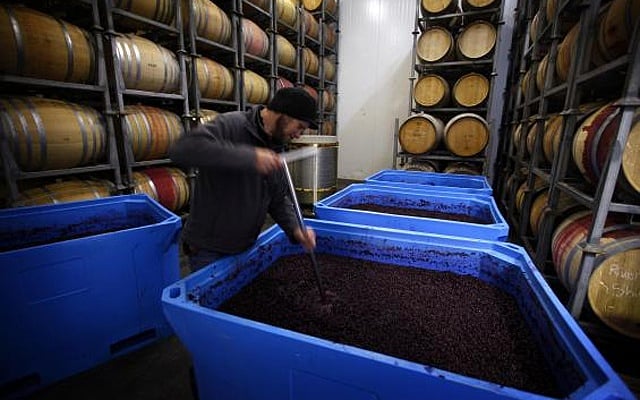
Winemaker John Bown stirs a vat of fermenting grapes at the Frogmore Creek winery located on the outskirts of Hobart in Tasmania June 3, 2014. Credit: REUTERS
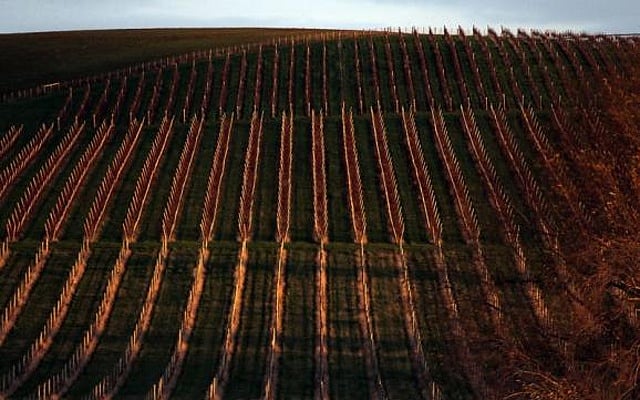
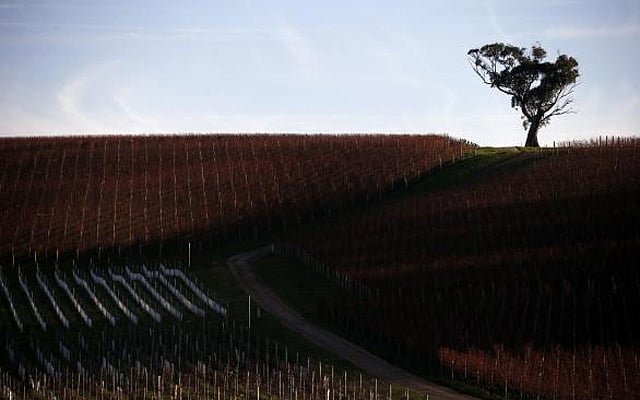
Rows of vines can be seen at sunset at Yalumba's Jansz estate in the Tamar Valley, located in the northeast of Tasmania June 4, 2014. Credit: REUTERS
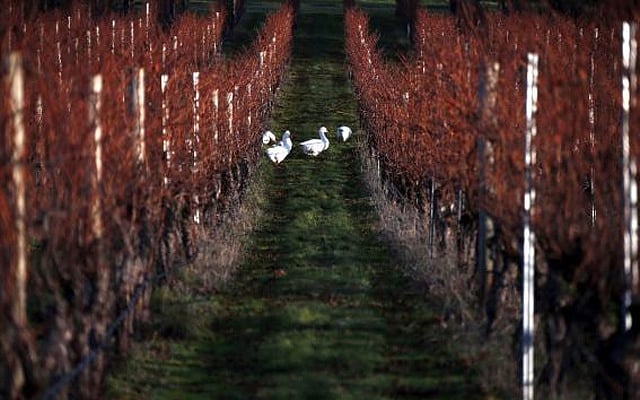
Geese walk through rows of vines at sunset at Yalumba's Jansz estate in the Tamar Valley, located in the northeast of Tasmania June 4, 2014. Credit: REUTERS
Rows of vines can be seen at sunset at Yalumba's Jansz estate in the Tamar Valley, located in the northeast of Tasmania June 4, 2014. Credit: REUTERS
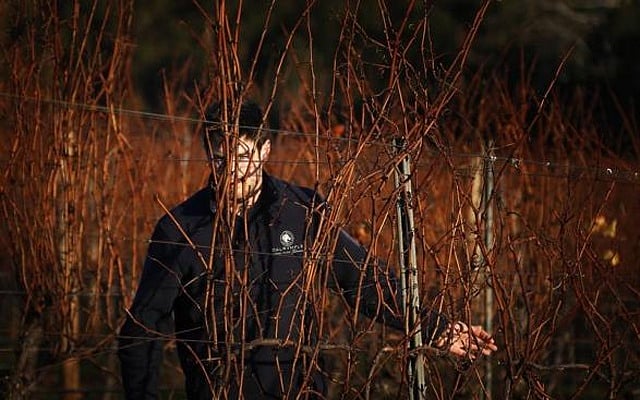
Cameron Walker, site manager at Yalumba's Jansz estate in the Tamar Valley, located in the northeast of Tasmania, checks rows of vines during his daily inspection June 4, 2014. Credit: REUTERS
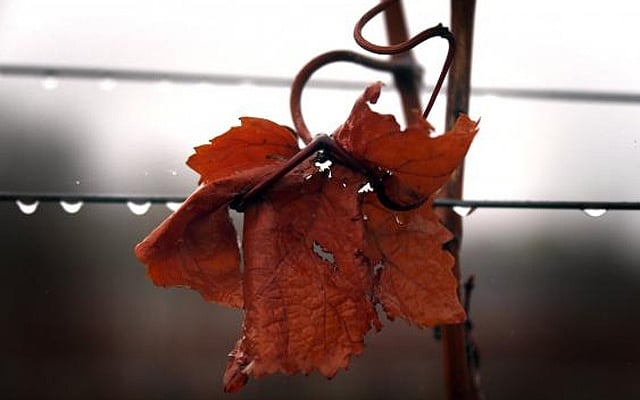
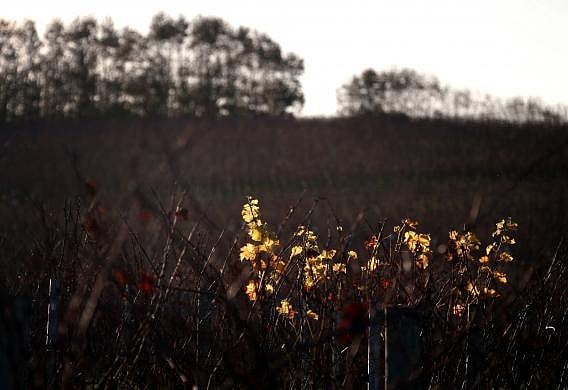
Leaves adorn a vine at Yalumba's Jansz estate in the Tamar Valley, located in the northeast of Tasmania June 4, 2014. Credit: REUTERS