Published : 24 Feb 2026, 05:03 AM
Updated : 21 Aug 2026, 03:23 PM


When Westeros seemed exhausted, spent from endless fire and betrayal, a hedge knight and a boy prince reminded us why the world still matters.
A Knight of the Seven Kingdoms arrives not with dragons, but with humanity -- awkward, stubborn, and stubbornly noble -- and suddenly, the franchise feels alive again.
House of the Dragon, the Game of Thrones prequel, was a half-hearted attempt at trying to cash out whatever was left of its reputation, especially after the disastrous final season of the main entry.
Instead, it turned out to be an even bigger disappointment, save for the brooding scenes with Matt Smith as Daemon Targaryen. I could watch that man eat soup for 10 hours and still rate it as quality television.
Personal biases aside, House of the Dragon never quite scratched the fantasy itch many of us have been carrying around since 2019. While it started strong, it deviated from the books like its predecessor, turning the once-legendary Dance of the Dragons into something visually grand, yet emotionally diluted.
Which is why, when A Knight of the Seven Kingdoms came to the screens, I was sceptical. On one hand, the series was getting glowing reviews with only two episodes out. On the other hand, I had been burnt before by the show makers I trusted. I went in half-heartedly, because how much can they stretch a story that we already know from countless Game of Thrones spoilers?
After all, it’s only a knight and a young prince, who go on adventures. Surely not riveting enough to compete with a franchise built on fire-breathing monsters and Machiavellian plotting?
In a way, that scepticism is what made the show stand out to me.
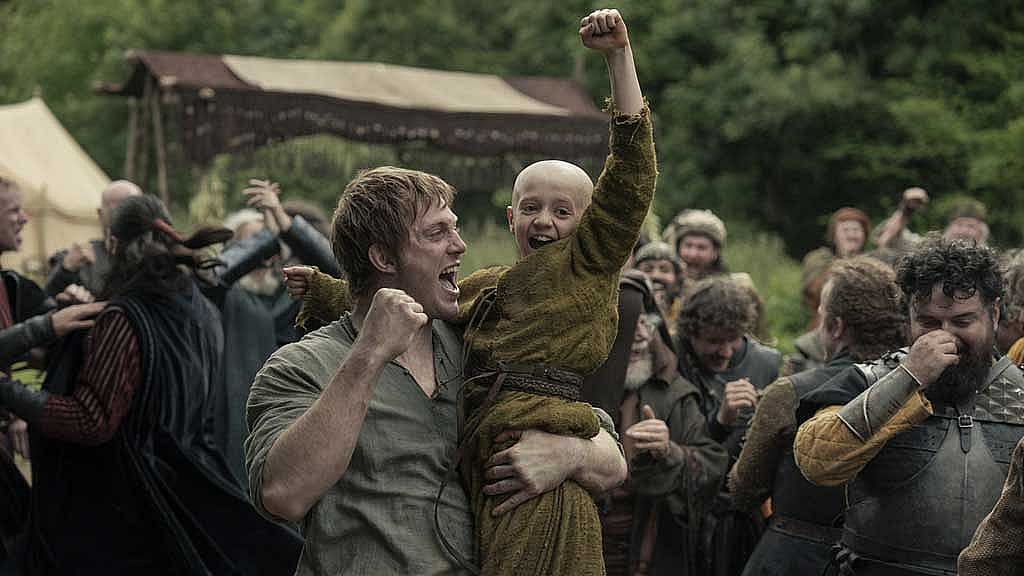
While watching Season 2 of House of the Dragon, I wondered if perhaps the problem was simply that we all knew what was coming. It’s hard to recreate the shock of Ned Stark’s execution when everyone already knows who dies, who betrays whom, and which dragon burns what. Maybe we should stop blaming the writers, I thought.
But then I remembered something: I rewatch shows obsessively. Knowing the story has never stopped me from loving it. Clearly, the issue wasn’t predictability. It was simply that the show did not offer anything worth looking away from my phone.
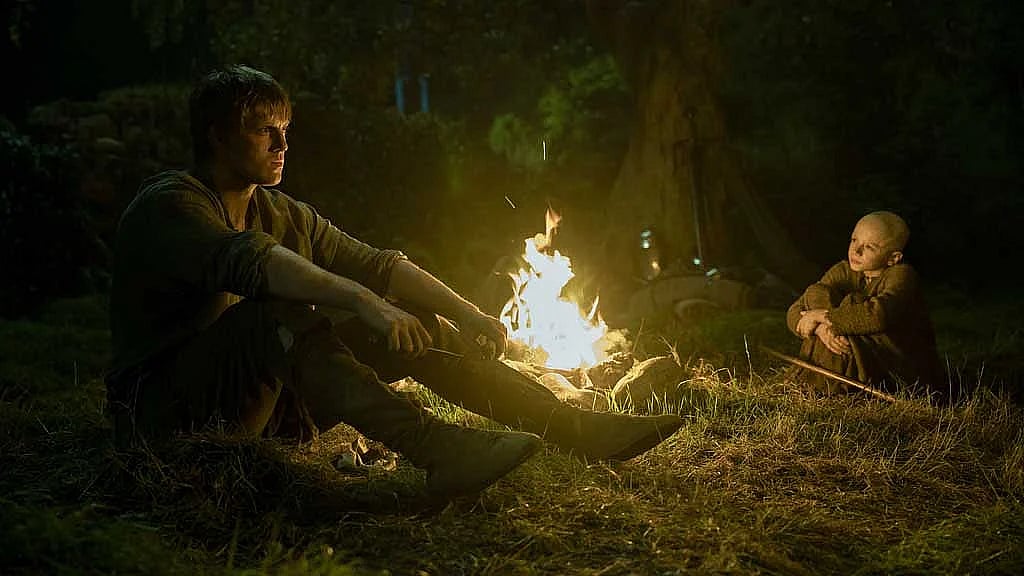
A Knight of the Seven Kingdoms made its position clear right as it started. The series opens with Dunk burying his mentor Ser Arlan, and looking to find his place in the world. As the familiar opening soundtrack of Game of Thrones starts, viewers get ready for the intensity that is about to follow, only to get abruptly cut off by Dunk violently expelling last night’s dinner.
The opening sets the tone for the show throughout. Where House of the Dragon banks on large-scale royal drama, A Knight of the Seven Kingdoms thrives on the small, the awkward, and the deeply human. Scenes build toward seriousness, only to be rescued at the last moment by comic relief. The show refuses to drown in its own gravitas.
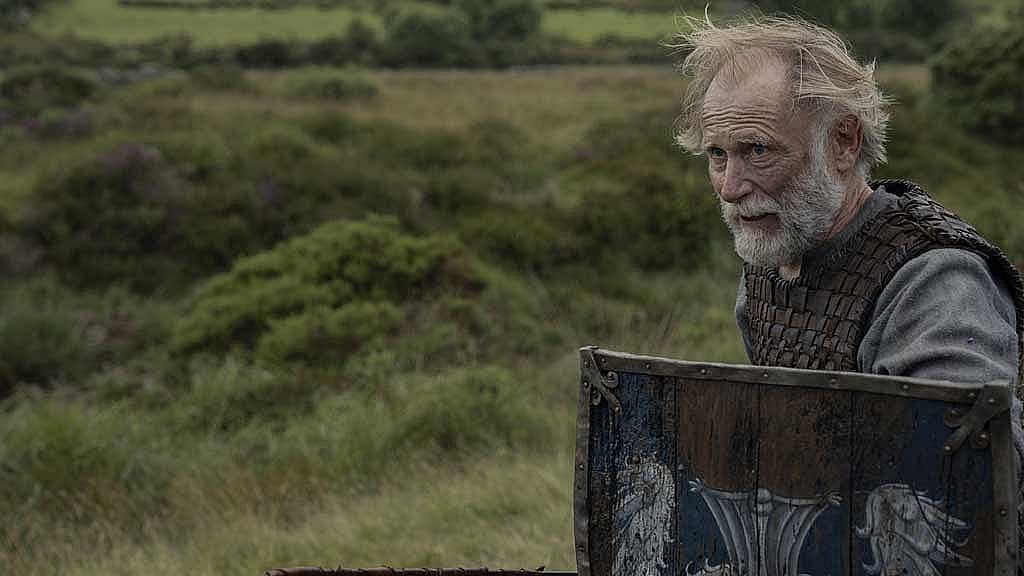
Ser Arlan is introduced as a measly penny knight who fought in wars without ever earning glory. He represents the countless nameless soldiers who died beneath the banners of great lords in the earlier shows.
As the episodes progress, Ser Arlan is reduced to a laughingstock. After all, how dare a hedge knight expect the mighty lords to remember his contribution to their wars?
And yet, through a simple flashback, the show restores his dignity. Ser Arlan is as true a knight as any lord in polished armour, who defends the innocents, even at the cost of his own safety.
He is the blueprint for Dunk, who is imbued with the same stubbornness, the same moral compass, and perhaps the same streak of foolishness.
Unlike early Game of Thrones, which thrived on shock value, this story is already known. Strangely, that works in its favour. With no need to create gasps, the writers can slow down and truly focus on worldbuilding. They let us sit with characters, instead of only seeing them.
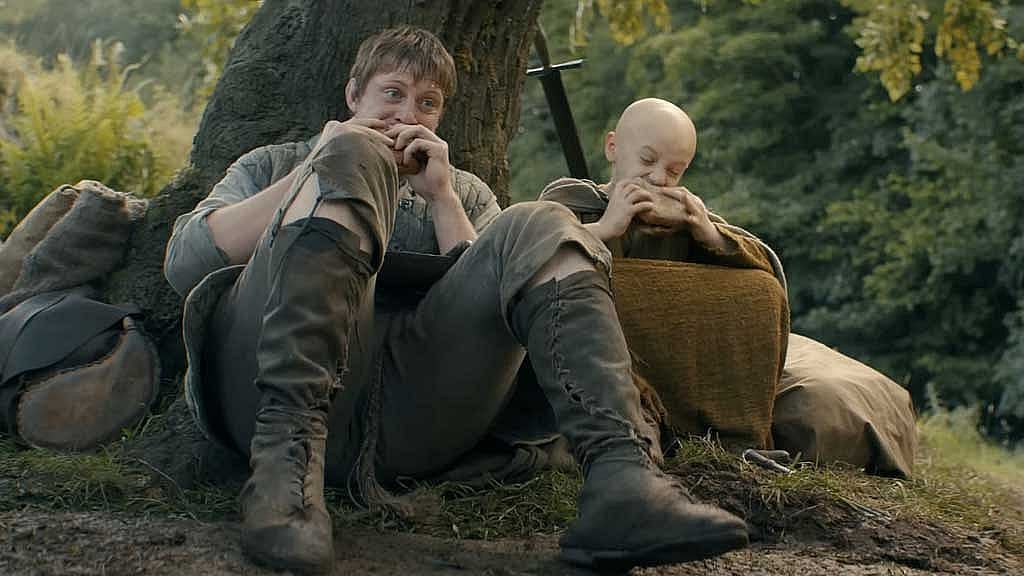
We may have known who Dunk and Egg were from the stories, but now we know them as people. Dunk makes excellent sandwiches over an open fire. Egg hates drinking ale. And Lyonel Baratheon feels less like a fearsome lord and more like the kind of man who would absolutely feel at home at Coachella.
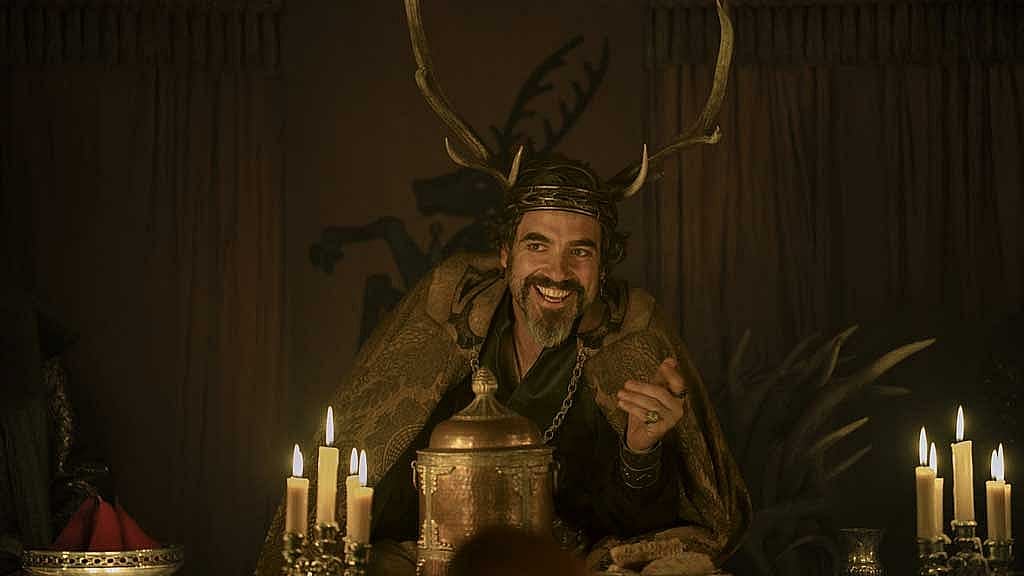
Without the guaranteed mystique of dragons, the show is forced to examine the Targaryens up close.
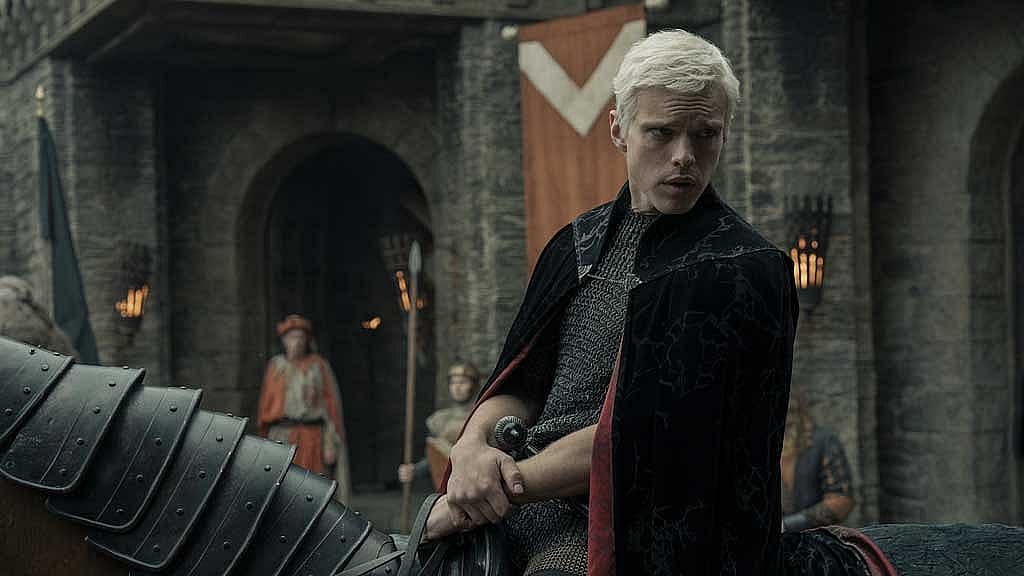
The best example is Finn Bennett playing Aerion Targaryen, whose delusions of being a dragon keep poking through in his mannerisms: the lizard-like flick of his tongue, the carefully sculpted sneer that mimics a dragon’s snarl, or even his over-the-top armour to make up for the beast he never got to ride.
This is a world where Egg gets to sing his cheeky Blackfyre song -- a surprisingly catchy cousin to “The Dornishman’s Wife” -- reminding us that princes can still be little boys underneath their titles.
The fresh change of scenery, moving away from King’s Landing and into Ashford, frees the series from its throne-room claustrophobia. The world feels bigger, because we are finally allowed to see its corners.
Away from fights over thrones and succession, A Knight of the Seven Kingdoms invites us into the everyday dynamics of Westeros’ great houses. The nobles are no longer categorised as King, Queen, or the Hand: they are parents who argue with their children, lords who crack jokes, and men who make poor decisions out of bruised egos rather than strategy.
Instead of watching master schemers move chess pieces across Westeros, we see the consequences of ordinary flaws.
At a time when global politics exhausts viewers into retreating toward sitcoms and comfort television, A Knight of the Seven Kingdoms offers something rarer: a fantasy that remains fantastical, but human. It keeps the swords and sigils, the tension and honour -- but makes room for humour too.
Most important of all, it teaches us that Westeros doesn’t always need dragons to feel alive. Sometimes, all it needs is a good knight, a stubborn prince, and the courage to be a little less serious.
[Editing by Syed Mahmud Onindo]