Published : 08 Jun 2014, 09:41 PM
Updated : 19 Oct 2022, 07:31 PM


Also Read:
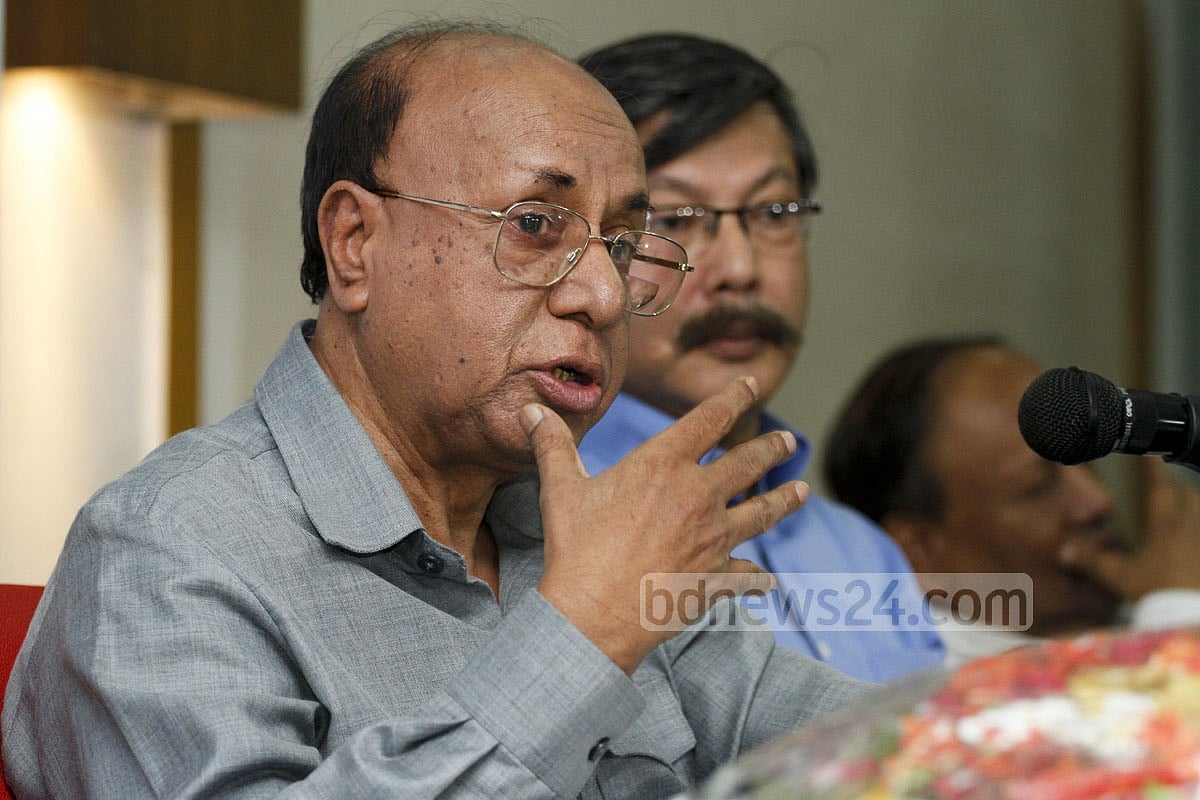
Budget: High on targets, deficit“The budget proposes tax exemption for quite a few sectors, which are indeed positive move for investment,” AB Mirza Azizul Islam said on Sunday.
“But it (the budget) did not shed light on solving the problems on infrastructure, political uncertainty and administrative weakness.”
Speaking at a post-budget discussion organised by the Economic Reporters’ Forum, Islam said the budget targets would remain elusive if political stability was not ensured.
The budget for FY 2014-15 proposes increasing tax holiday facilities, tax exemption for industries in backward areas, deduction of corporate tax for non-listed companies and adjustment duties for imports among other measures to encourage investment.
Mirza Aziz said he found the budget, which set GDP growth target at 7.3 percent as ‘over-ambitious’.
“It is a certainty that the targets proposed in the budget will not be achieved. And the government does not have the administrative capacity to implement the proposed Annual Development Programme,” said the former finance adviser.
The government plans to take Tk 312.21 billion as loan from local banks to meet the budget deficit in the new fiscal, which Islam say will cause the inflation to rise.
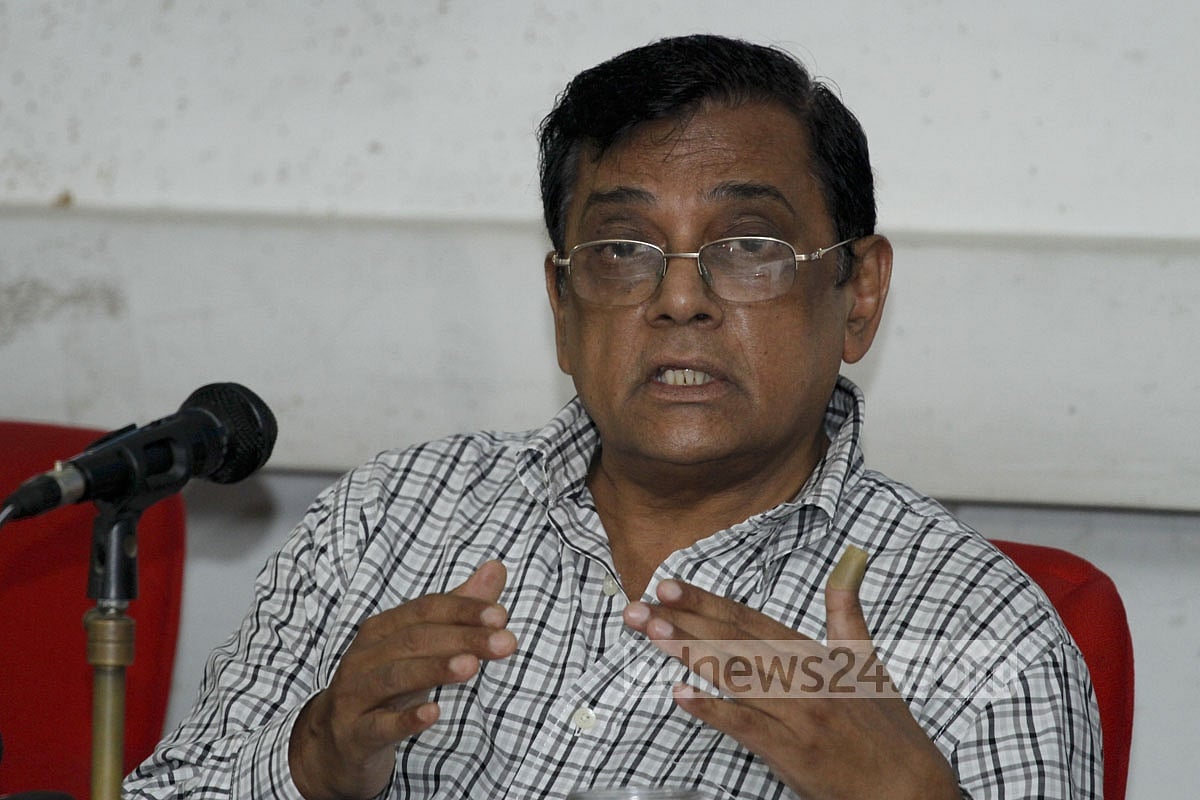
Economists MA Taslim and Zaid Bakht, however, said they did not find the budget as being overly ambitious.
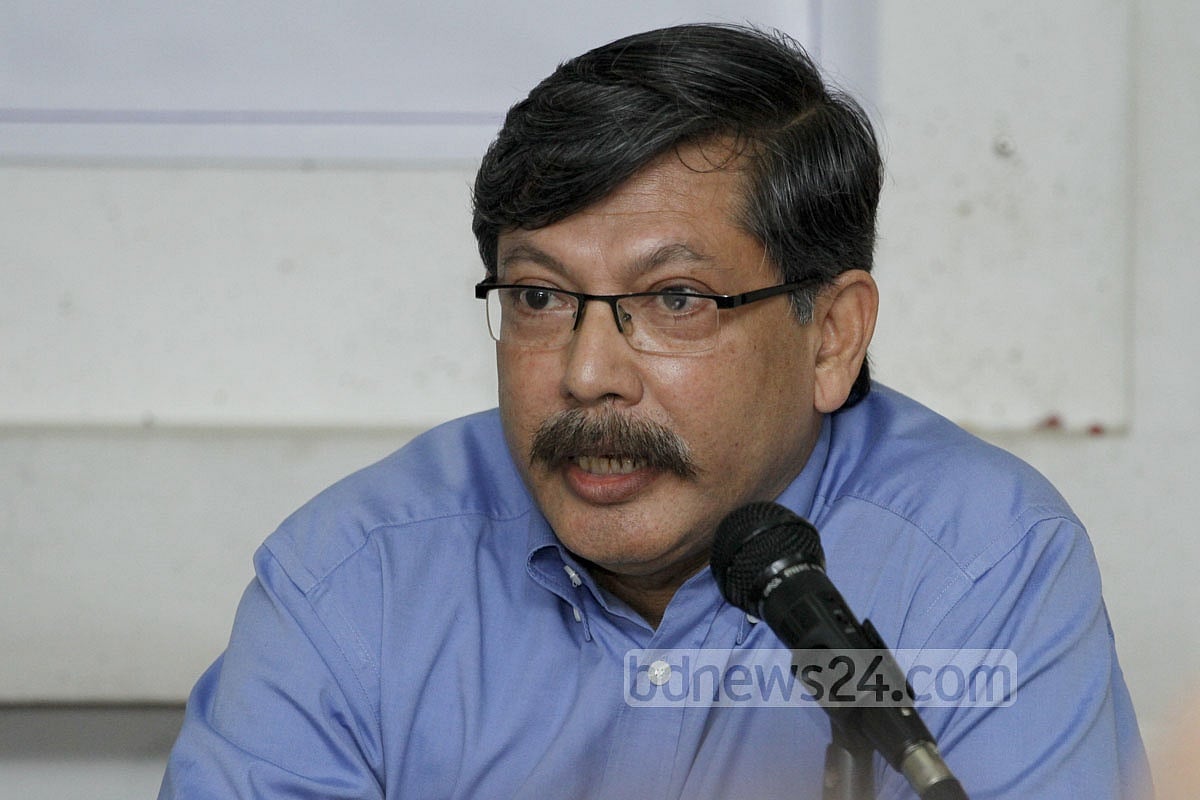
Zaid Bakht
Bakht said the size of the proposed budget for 2014-2015 FY is 18.7 percent of the projected GDP.
“A government expenditure of 18 to 19 percent (of the GDP) for a developing country is not ambitious,” he added.
Gross Domestic Production or GDP is the market value of all officially recognised final goods and services produced within a country in a year, or over a given period of time.
Bakht, the research director at the Bangladesh Institute of Development Studies, says the government’s key challenge would be to implement the proposed budget.
He echoed Islam on the note of ensuring political stability.
“The required level of investment to achieve a 7.3 percent GDP growth is not possible without a congenial political atmosphere.”
MA Taslim
Taslim found administrative weakness as the major obstacle to implementing the budget.
“Those who operate public investment projects are not efficient. Moreover, there’s corruption and that’s why the desired level of implementation does not happen,” said the Chairman of Economics Department at Dhaka University.
Former chief of the Securities and Exchange Commission Faruque Ahmad Siddiqui found the proposal of cutting corporate tax for non-listed companies as an illogical move.
Private think-tank Centre for Policy Dialogue’s (CPD) additional research director Khondaker Golam Moazzem, president of Bangladesh Women Chambers Selima Ahmad and Ifad Group director Shafin Ahmed also spoke at the discussion.