


Published : 24 Mar 2018, 12:56 PM
Updated : 19 Oct 2022, 02:09 PM


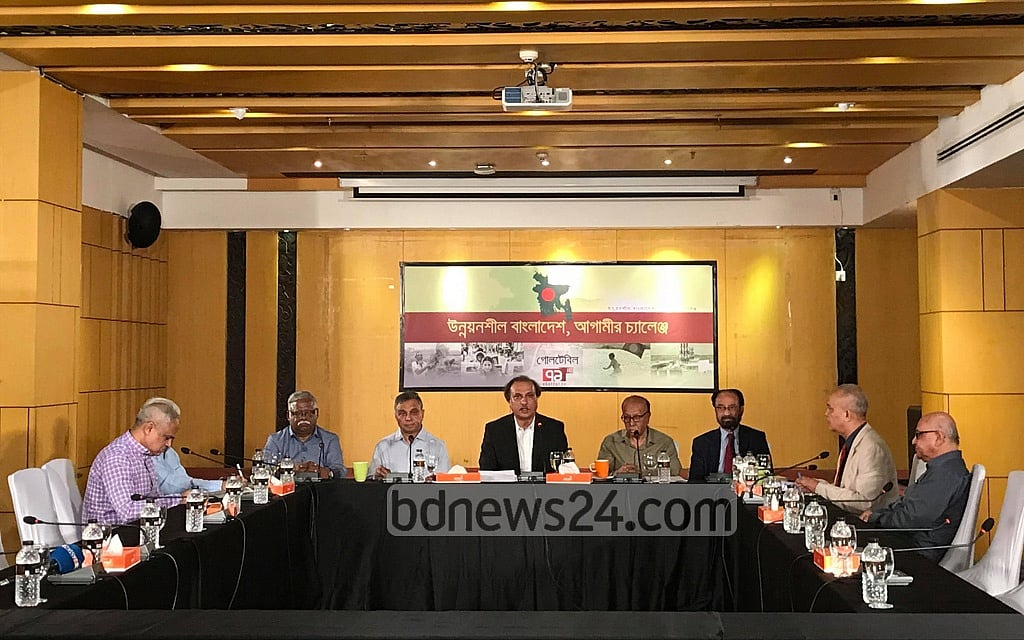
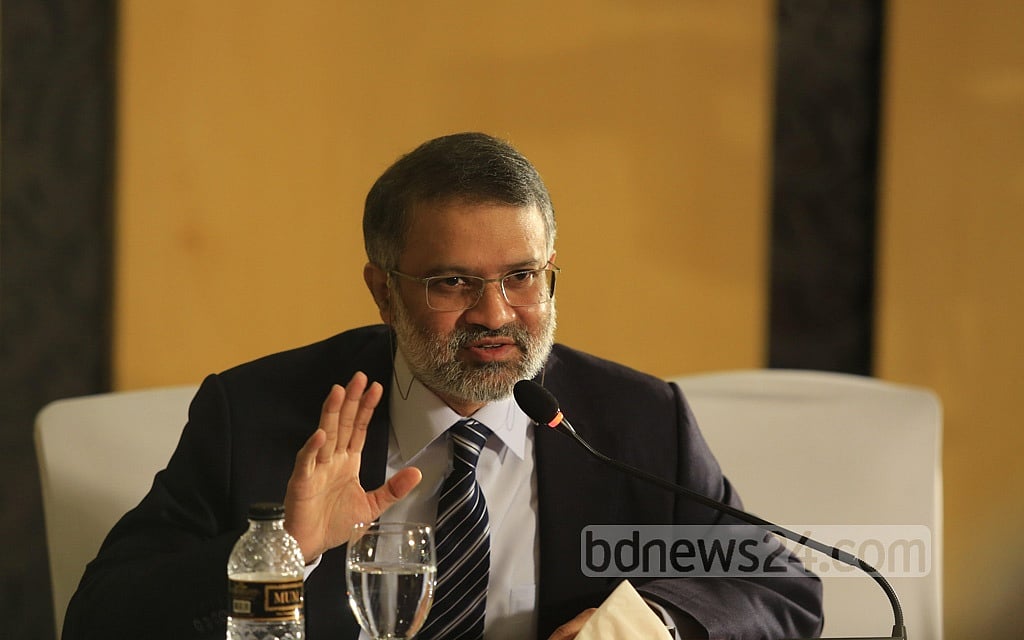
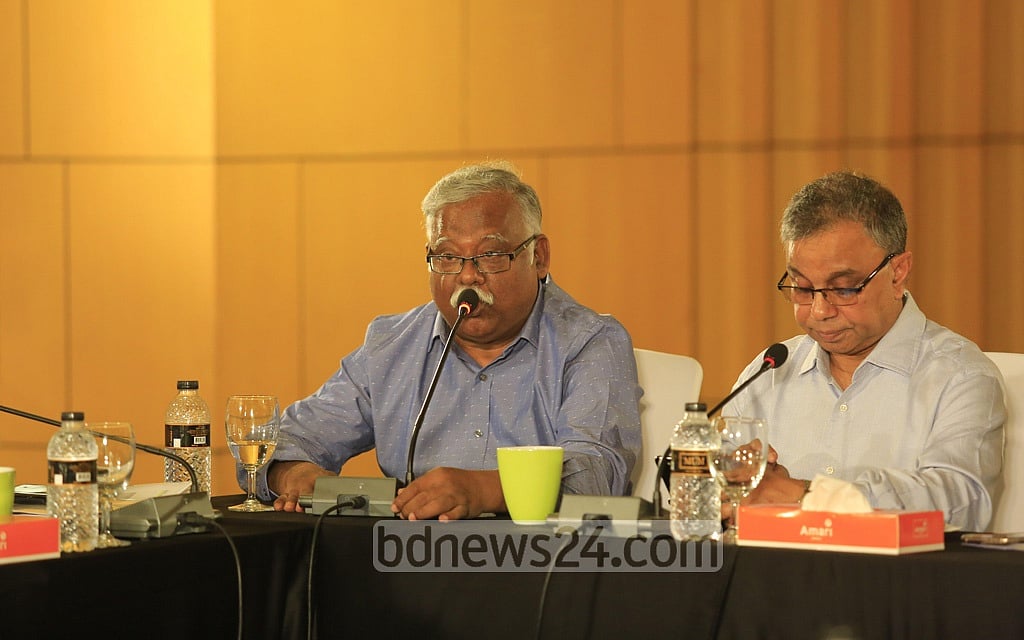


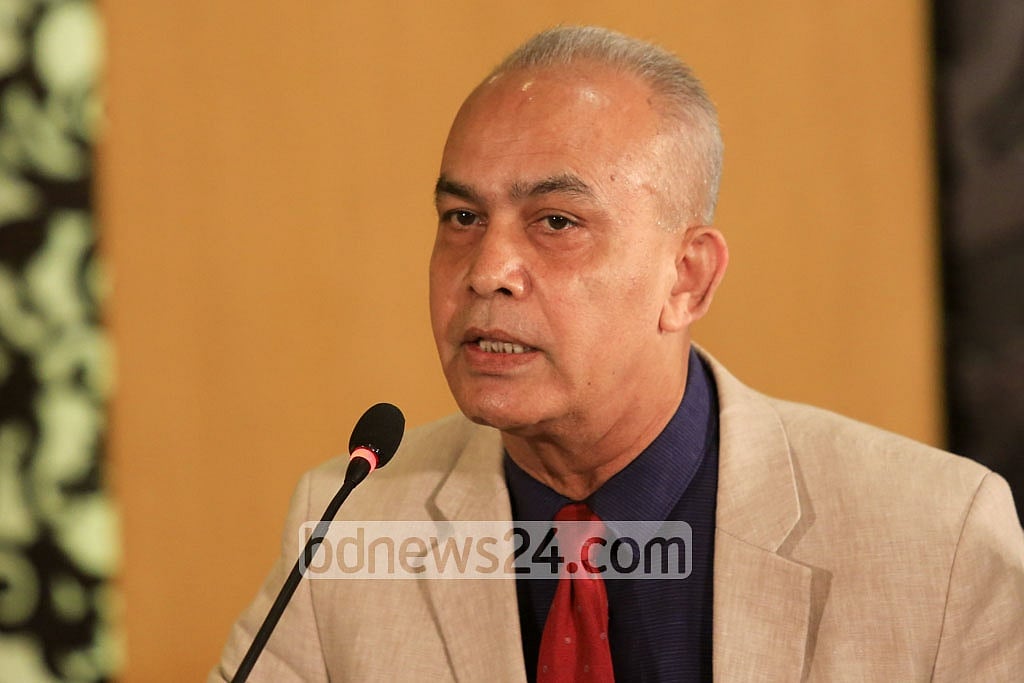
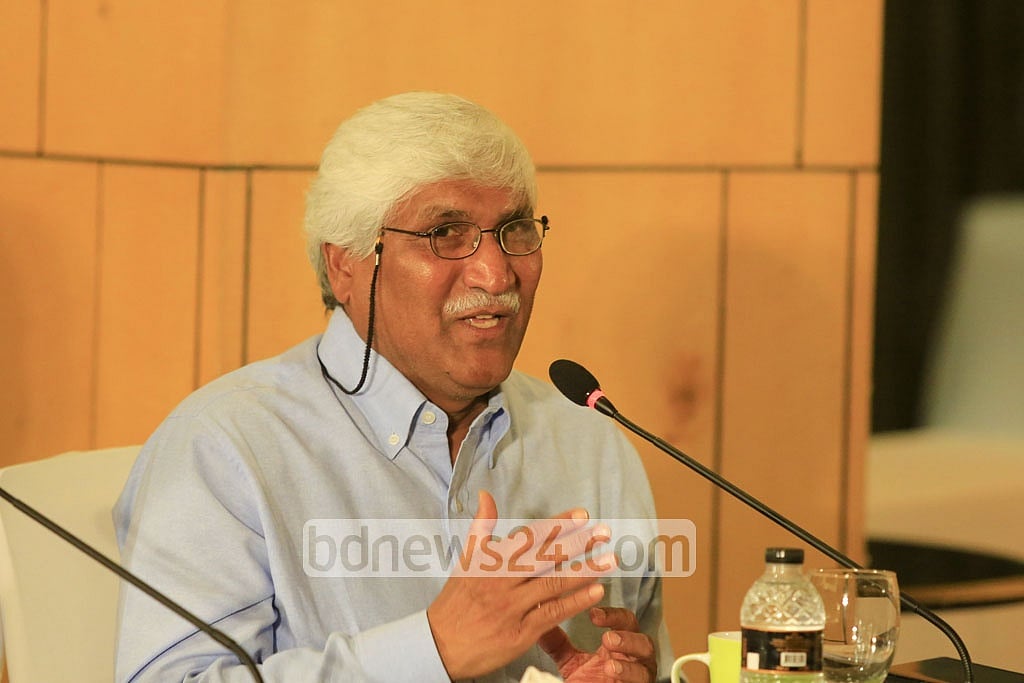
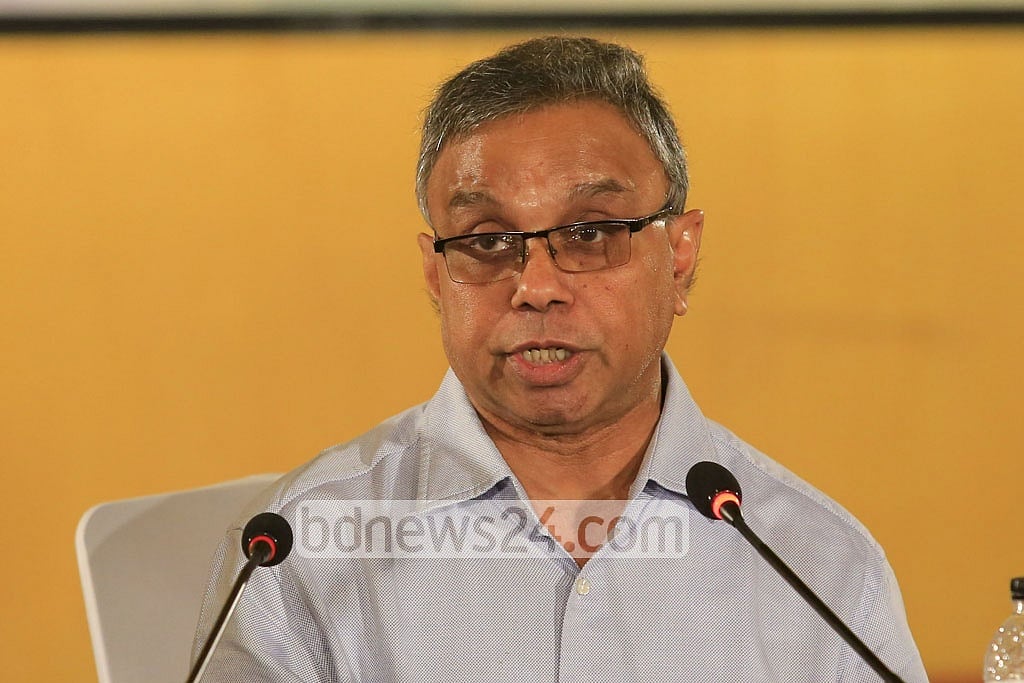
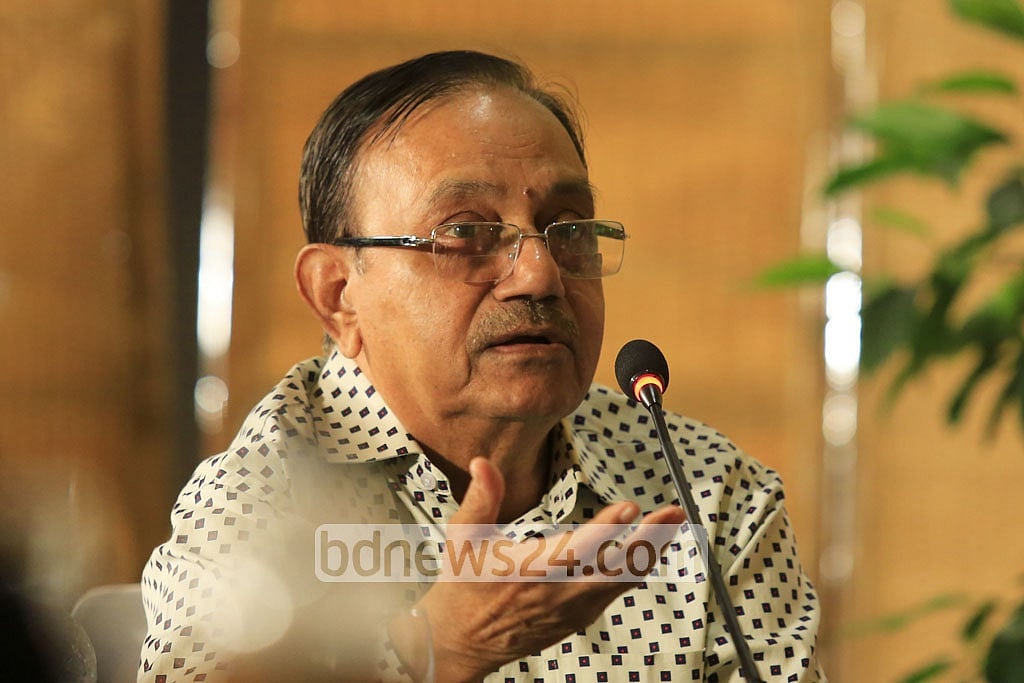


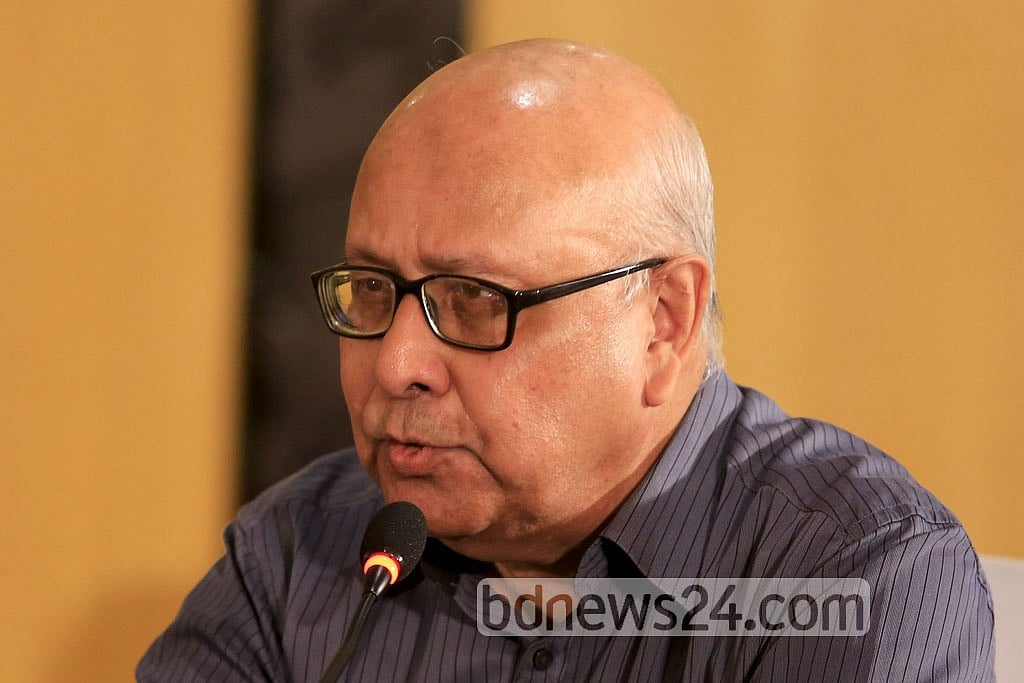

Leading economists, businessmen, policymakers and journalists took part in a discussion organised by private broadcaster Ekattor TV at Amari Hotel in Dhaka.
Bangladesh, which has been an LDC since 1975, recently fulfilled the UN’s current criteria to graduate from a ‘least developed country’ to a ‘developing country’, sparking conversation and debate across the country.
Bangladesh has also recently advanced from a low-income country to a low-middle income country on the World Bank’s scale.
Bangladesh has fulfilled the three conditions on a very large margin. Bangladesh's current per capita income is $1,610. The HAI is 72.9, while the EVI is 25.
The GNI per capita measures the dollar value of a country’s total income in a year divided by its population. The HAI is a composite index that accounts for education and health. The EVI accounts for population size, remoteness, merchandise export concentration, share of agriculture, forestry and fisheries in gross domestic product, homelessness owing to natural disasters, instability of agricultural production, and instability of exports of goods and services, the share of population living in low elevated coastal zone.
Bangladesh will undergo a few years of observation and can officially graduate to a developing country by 2024 at the earliest.
There is a trade-off. Graduating to a developing country status will mean that Bangladesh will no longer have access to the special benefits, including loan and export support, available to LDCs.
The speakers at the roundtable said it would be possible to overcome the challenges of LDC graduation by adopting timely measures, such as increasing investment.

“It’s time to prepare for what lies ahead.”
In 1971-1972, donations accounted for 90 percent of the support Bangladesh received and loans amounted to 10 percent.
“This has changed. But it hasn’t changed overnight. It took time. Now our economy is not as reliant on aid as it was before,” Khalidi said.
“We will only be called a developing country once we have maintained our standing in the three criteria for the next six years. We have three more years for transition. After that we will lose some benefits.”
Among the benefits that would be lost is the duty-free access to the EU, a market for about two-thirds of exports from Bangladesh. The government will lose out on cheap credit from Japan, now available at 0.1 percent interest.
“Do we need these benefits in nine years down the line?” Khalidi said. “If we can increase economic growth and maintain political stability, we will not, perhaps. Nine years later, Bangladesh will be seen on a new scale with a new status.”
Bangladesh Pratidin Editor Nayeem Nizam speaks at a roundtable titled 'Developing Bangladesh: The Challenges Ahead' and organised by Ekattor Television at a Dhaka hotel on Saturday. Photo: mostafigur rahman
Khalidi highlighted the difference between the eligibility scores and Bangladesh’s current scores, stating that it was possible for the country not only to maintain, but to improve in these fields during these intervening years.
Khalidi also urged the government to improve the ease of access to government services and remove bureaucratic red tape in order to increase investment.
“The government currently prefers to assert dominance rather than provide service. This must change.”
Political stability could have allowed Bangladesh to achieve even greater heights than the steady growth and development it has seen in the last decade, Khalidi said.
“If we had not fallen into such disputes, we could have grown even more.”
“Now we have to work on business issues and natural disasters. Natural disasters can still render many of our people homeless. We must see what can be done on this front.”
The concern over natural disasters was echoed by Dr Atiq Rahman, a prominent environmentalist and executive director of the Bangladesh Centre for Advanced Studies.
“Our biggest challenge is alleviating natural disasters,” he said. “We were a food exporter in 2015, but the floods of 2016 have caused us to become importers within a year.”
Bangladesh must work to raise awareness of these issues among people and train them in alleviation efforts, he said. It is also essential to strengthen local government on this front, Rahman said.
Bangladesh must also make use of the benefits of urbanisation while ensuring that rural areas do not fall behind, he added.
Another major concern was inequality.
“The economy is growing and we are progressing,” said Bangladesh Economic Association General Secretary Jamaluddin Ahmed. “But inequality is only increasing.”
He raised inequality in regional employment and education as a major issue leading to the problem.
Former Bangladesh Bank Deputy Governor Khandaker Ibrahim Khaled said that inequality had doubled since Bangabandhu’s reign.
Income inequality measured by the Gini coefficient widened to 0.48 from 0.24 during Bangabandhu’s time in 1974, he said.
“Inequality can tear apart a society.”
“Here is the question: are the gains of 7 percent growth reaching the 160 million people across the country, or only a few?” he said.
“Some people have grown rich and have taken the money to the top of the mountain. But it hasn’t reached the ground below.”
Barrister M Amir-ul Islam said he despaired that the right to life and the elimination of discrimination enshrined in the constitution had not been realised.
But AB Mirza Azizul Islam, a former adviser to the 2007-08 caretaker government, argued that inequality increases during the starting stages of growth, citing the cases of India and China.
He did, however, state that it was important for the country to tackle the problem of inequality.
“More concerning is the pace of poverty elimination. We have made advances, but the speed of progress is slowing down.”
The Prime Minister's Adviser Tawfiq-e-Elahi Chowdhury gestures as he speaks at a roundtable titled 'Developing Bangladesh: The Challenges Ahead' organised by Ekattor Television at a Dhaka hotel on Saturday. Photo: mostafigur rahman
“When the ruling party took power, only 45 percent of the population had access to electricity. Now the coverage has expanded to more than 90 percent. We are now investing in providing reliable power for all.”
“In these 10 years, we have achieved more than in the past 37,” he said.
Chowdhury also spoke of the dream of LNG power and the risks taken to develop the sector.
“We have undertaken work on the LNG terminals at some risk. Hopefully we have overcome it.”
“LNG will improve our supply, but we will still have to monitor the cost a bit.”
Bangladesh’s achievements are those of the people, he said. “But the credit does not go to everyone equally.”
Sheikh Hasina is an unusual leader, he said. “She is a dreamer, but also brave and practical. But, now that she has brought us so far, it is time to give her another chance.”
National University Vice Chancellor Prof Harun-or-Rashid also credited the Awami League government for the advances made by Bangladesh.
Khalidi said those who have governed for the last decade can claim responsibility for this development.
“No-one can deny the current government’s credit for this achievement.”
Chief Coordinator for Sustainable Development Goals Affairs in the Prime Minister's Office Abul Kalam Azad, eminent cultural personality Pijush Bandyopadhyay and Bangladesh Pratidin Editor Nayeem Nizam also attended the event moderated by Ekattor Television Editor-in-Chief and Managing Director Mozammel Haque Babu.







