


Published : 20 Jan 2016, 11:04 AM
Updated : 19 Oct 2022, 05:04 PM


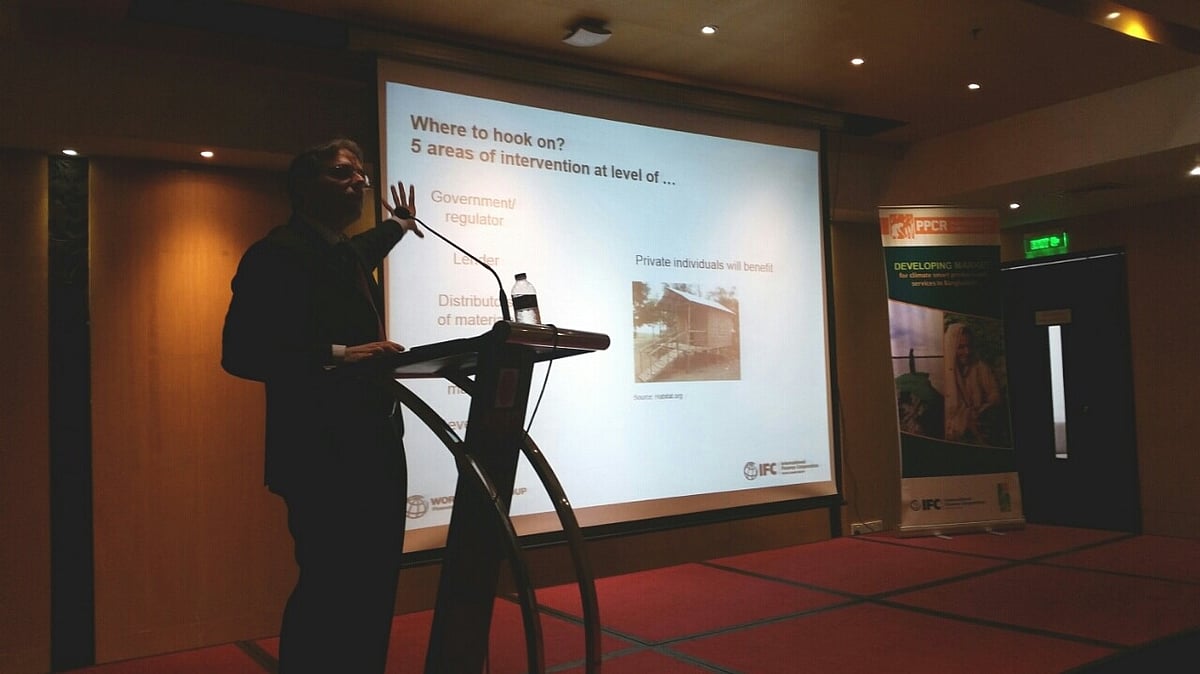
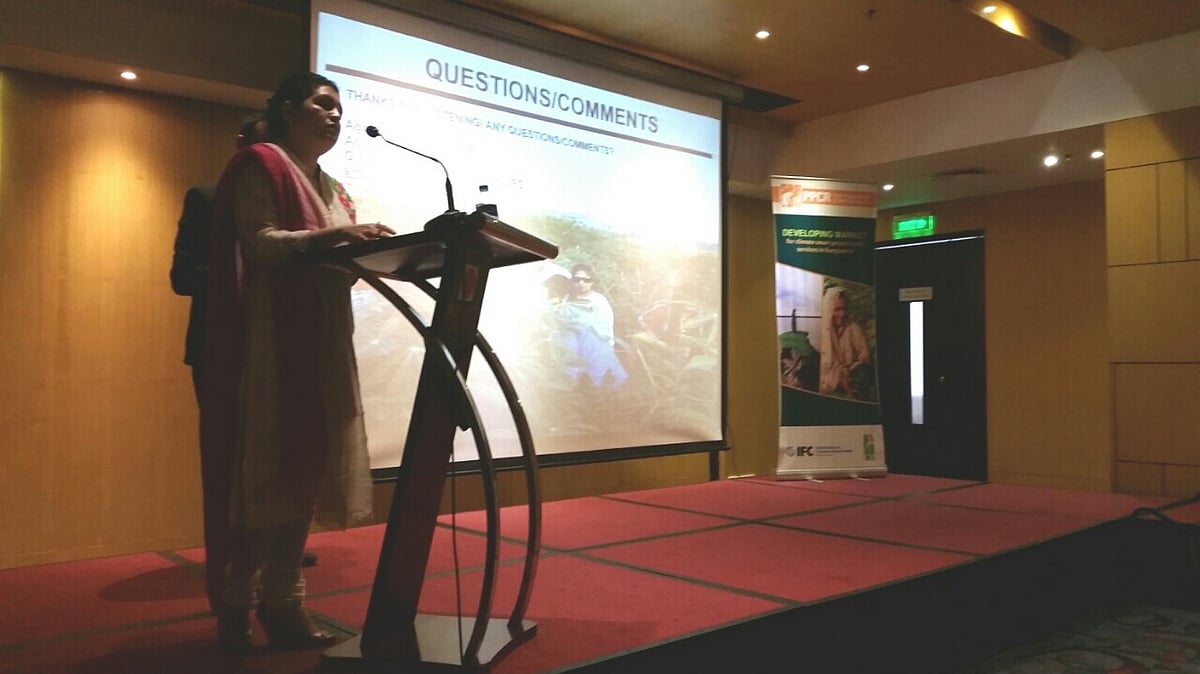
The IFC is a member of the World Bank and Werner is its country manager for Bangladesh, Nepal and Bhutan.
"These businesses (based on natural resources) are very vulnerable, they have practically no protection in the face of rapid climate change," Werner said while addressing the IFC's "Pilot Programme for Climate resilience" in Dhaka on Tuesday.
She also called for more private sector involvement to ward off the hazards of climate change, especially in developing new climate resilient technologies.
"ACI and Supreme Seeds are trying to develop climate resilient seeds to make agriculture sustainable in areas of Bangladesh affected by climate change. IFC has investments in both," Werner said, highlighting the IFC's efforts to help Bangladesh strategise to tackle climate change.
Werner said climate change was being accorded top priority in policy making in both developed and developing nations.
Claiming that IFC's "Pilot Programme for Climate resilience-PPCR" was the first of its kind in the world, Werner said the private sector was yet to be fully involved in combating the adverse fallout of climate change.
"But the private sector must be involved, an effort has to be made for that," Werner said.
World Banks Acting Country Director Martin G Roma said the global lender was giving 'maximum importance' to climate change in formulating its poverty alleviation and development strategies.
"Adverse impact of climate change is an inescapable reality for countries like Bangladesh now. There is no way one could deny that."
Kazi Shafiqul Islam, additional secretary of foreign ministry's economic relations division, said Bangladesh is one of the worst affected by climate change. "That is why much importance has been given to fund schemes to combat climate change in the country's Seventh Five year Plan".
IFC has been involved in supporting various agro-business projects in developing climate resilience for the past ten years. They have mainly funded seed diversification to develop sustainable agriculture that can withstand adverse climate change.
IFC works with Bangladesh's agriculture ministry in its new seed development program and to work out a policy for developing climate resilient agriculture.
It has also worked with Green Delta Insurance to strengthen the crop insurance regime in the country.
IFC's global investment in 'climate smart' programmes stood at $ 13 billion. In the last FY, an additional investment of $ 2 billion was made.
Building technologies, agriculture and food security in an environment of adverse climate change were discussed at the conference on Tuesday by IFC officials.













