Published : 17 Nov 2015, 01:03 AM
Updated : 19 Oct 2022, 07:03 PM


Infrastructure development, augmentation of allocation for education and health sectors, human resource development, improving child nutrition and enhancing the involvement of women in economic activities are the challenges they have underlined.
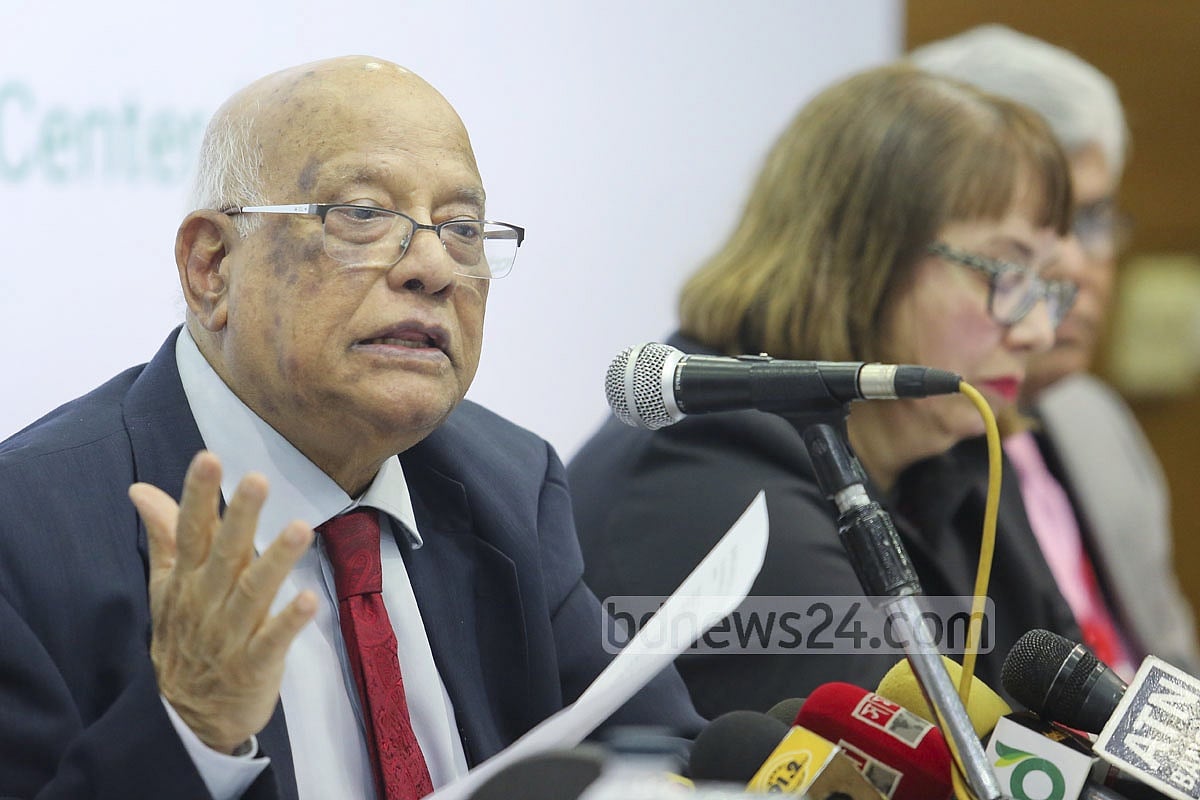
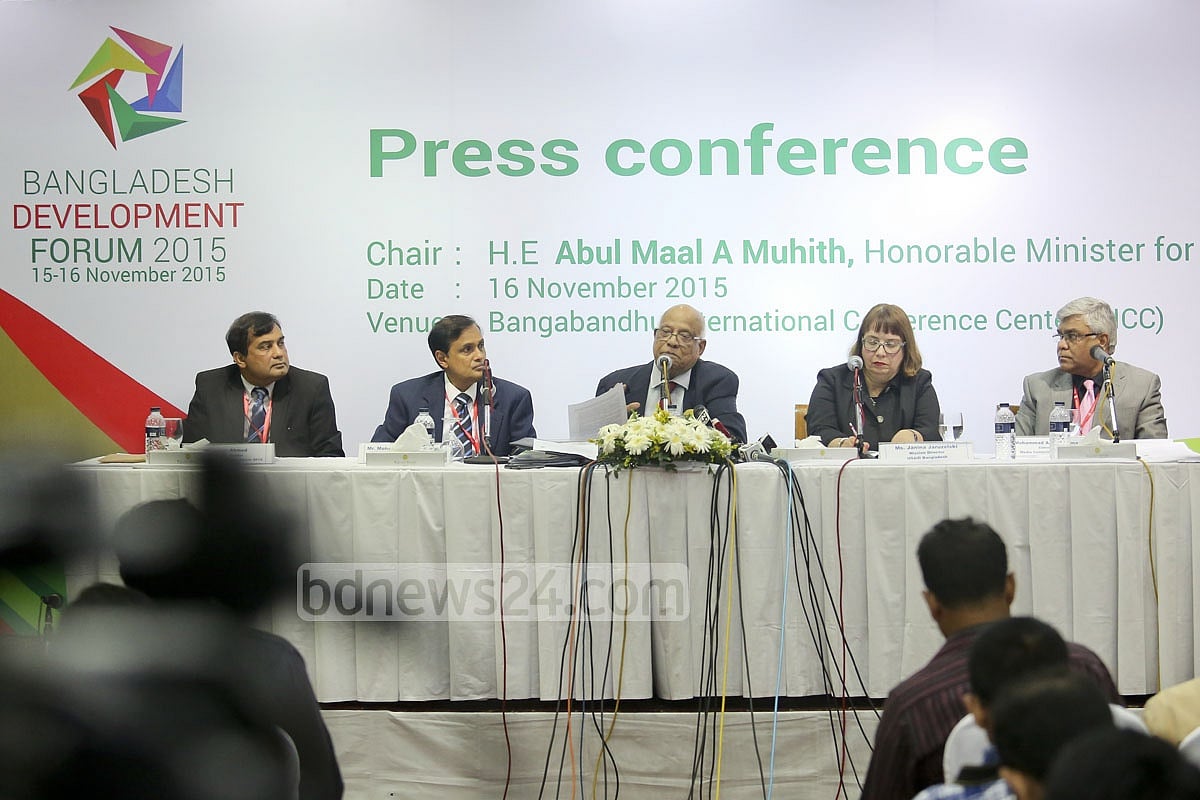
Finance Minister Abul Maal Abdul Muhith revealed this at a media conference after the conclusion of two-day meeting of the Bangladesh Development Forum (BDF) in Dhaka on Monday.
In reply to a query, he said the allocation for infrastructure sector would not be directly increased in the next budget.
But, he said, efforts would be made to increase private sector’s participation in infrastructure development through public–private partnership.
In addition to improving the quality of human resources, the finance minister stressed on creating skilled workers.
For this, he appealed to foreign development agencies to invest in this sector.
“These are the challenges before us. If we can overcome these, then we will be able to achieve our target of attaining eight percent economic growth by 2020,” he said.
But, the finance minister does not consider it as an ‘ambitious target.’
“At present, our annual economic growth is around seven percent. It (eight percent target) can be achieved if we work hard for the next five years. This is not a big challenge,” Muhith said.
The finance minister has further identified decentralisation of power as another challenge for development.
“Bangladesh urgently needs decentralisation of power and responsibility. It’s not possible to ensure development of 160 million people from Dhaka. At least we need to go to district-level,” he said.
The finance minister said this year’s BDF meeting strongly advocated for PPP model and South-South cooperation.
“More than financial help, I am looking for trade facilities, particularly duty and quota-free market access, from funding agencies and developed countries.”
Development partners also emphasised improving regional connectivity, ICT, and power generation, among others.
“The corridor will not be only with India. We are trying to develop regional connectivity and business ties with countries including Nepal and Bhutan.
“India has assured us that it will go by whatever decision Nepal, Bhutan and Bangladesh will take,” Muhith said.