Published : 06 May 2017, 02:33 PM
Updated : 05 Aug 2022, 07:19 PM


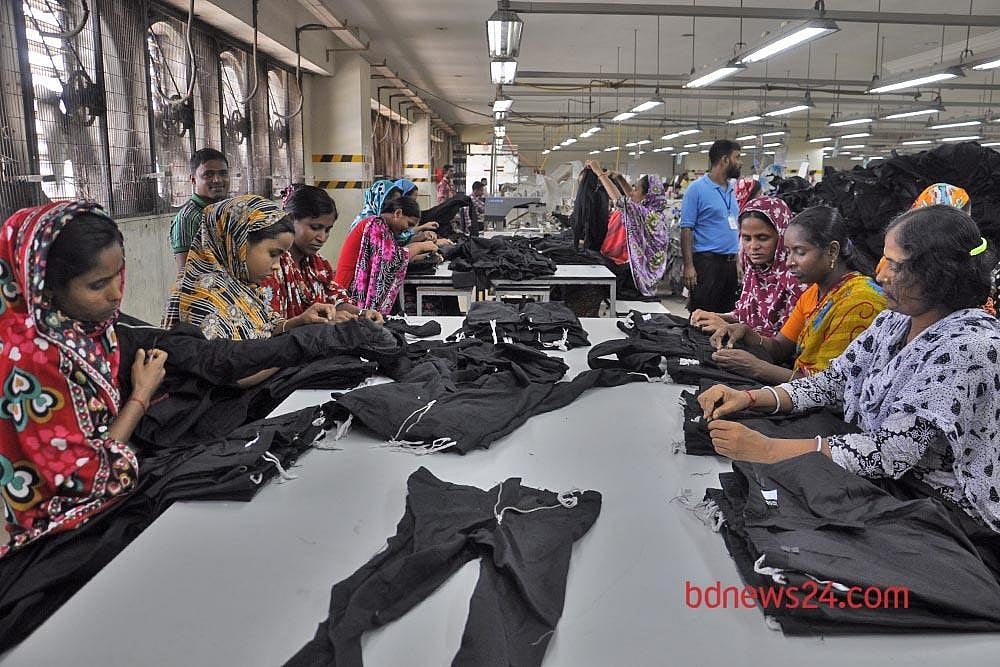
And, like Hong Kong, Singapore, South Korea and Taiwan during the early phase of industrialisation , much of the growth has been driven by exports.
The similarities have driven Business Insider’s Jonathan Garber, in collaboration with the World Economic Forum, to assess whether the country may be the next Asian tiger.
Problems of infrastructure, including poor roads and an insufficient power grid, and widespread corruption limit the country’s ability to diversify the economy, they say.
They suggest more work must be done to reduce corruption, simplify customs laws, ease land acquisition, improve private access to credit and stabilise the security situation.
They also note the government’s efforts to improve the business climate by reducing and simplifying red tape affecting businesses and taxpayers.
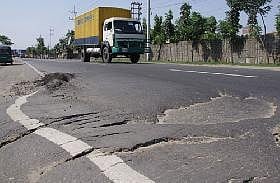
Poor roads remain one of the bottlenecks that limit Bangladesh ability diversify the economy. bdnews24.com file photo
These market developments are powered by growth of earnings, local interest in equities and rising interest among foreign investors, according to a report by researcher Hasnain Malik.
Malik praises the market’s fundamentals, including political stability, support from India and China, macroeconomic growth and currency stability, speedy urban growth and extreme population density, as solid building blocks.
But, “it is too early to let go of the tiger’s tail," writes Malik.
"Bangladesh public equity valuations are just beginning to catch up with its high growth and high returns on capital..."