


Published : 26 Dec 2015, 06:40 PM
Updated : 23 Apr 2022, 01:24 PM


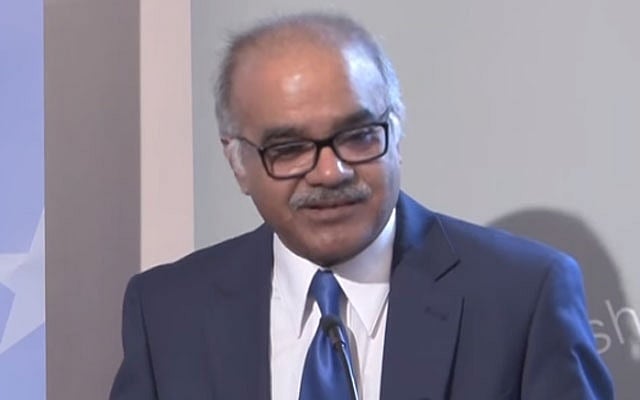
“For us official development assistance is ‘very insignificant’. It is only $2 billion compared to our over $30 billion income from garments and remittances”, believes Bangladesh national Selim Jahan, Director at the UN Human Development Report Office in New York.
“We want the trade and migration opportunities that we deserve,” he said, talking to bdnews24.com on Saturday about human development and new sustainable development goals.
Jahan was a professor of economics at Dhaka University before joining the UNDP in 1992.
As Deputy Director of the Human Development Report Office, he was a member of the core team that authored nine global Human Development Reports from 1993 to 2001.
His areas of expertise include human development, poverty and vulnerability, macroeconomic policies, inequality, vulnerability, inclusive growth, MDGs and the post-2015 development agenda.
In Bangladesh, he released the latest UN Human Development Report on Dec 20.
The report highlighted the fact that Bangladesh was “steadily progressing” in human development indicators.
Bangladesh has witnessed a 68 percent increase in the human development index in the last 20 years.
Life expectancy, child mortality rate, and female literacy rate are far better in Bangladesh than in India and Pakistan, despite less economic growth and smaller per capita income than the two neighbours.
Jahan said 20 years ago, the life expectancy rate was around 55 in all the three countries. But today it is over 71 years in Bangladesh and around 66 in India and Pakistan.
He said this had become possible because Bangladesh was able to translate growth into the lives of people.
“We started at the same level. But our life expectancy is more than theirs (India, Pakistan),” he said, emphasising that “there is no automatic link between economic growth and human development.”
He said a targeted policy, increasing expenditure in the social sector as well as protection, the people’s creativity and innovation along with women’s empowerment were behind Bangladesh’s human development success.
He said many developed counties do not have the provision of six months’ maternity leave that the Bangladesh government is providing.
Besides, he said, the voices of civil society organisations like NGOs, media and research institutes also helped the government shape policies to match needs.
“Bangladesh’s success in human development indicators is huge,” he said, adding that human development enhances people’s choices in economic, social and political aspects.
It increases capabilities through education, skills development, health and nutrition, and also creates opportunities.
Selim Jahan also laid stress on the people’s participation at all levels for human development.
The new developmental agenda that will come into effect on Jan 1 promotes sustainable development with a view to ending poverty by 2030.
Jahan said addressing ‘inequality’ could be an entry point to that sustainable development process.
He said the lessons learnt during the MDGs’ implementation would help Bangladesh to pursue SDGs.
“Bangladesh’s future is very bright. We are very hopeful about Bangladesh. Those who live outside believe that our people’s creativity, innovation and resilience are too pronounced and that’s why we are moving forward,” he said.
“We are also hopeful about the young generation,” he said, suggesting creating new scope for them through provisions for credit and technological support.
The problems that Bangladesh currently faces are all part of the development process, he believes.













