


Published : 02 Oct 2019, 03:05 AM
Updated : 17 Oct 2022, 11:46 AM


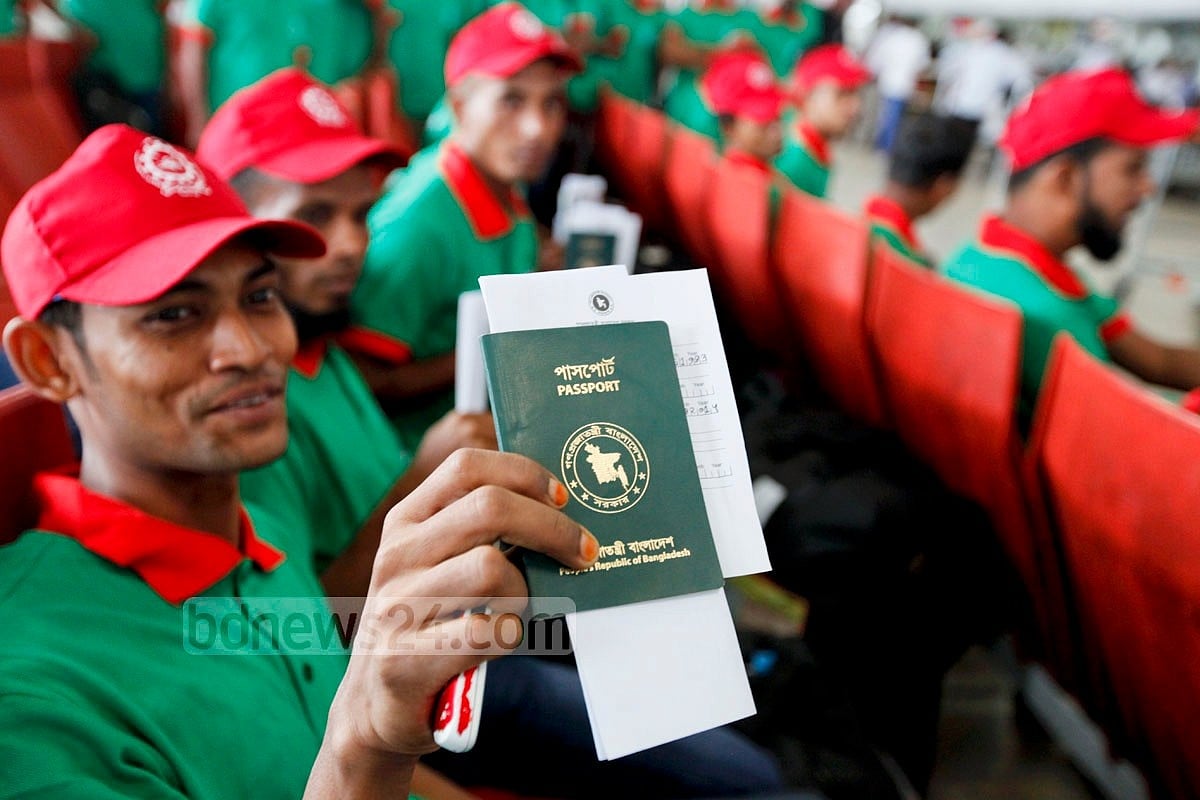

It received over $4.5 billion in remittances in the first three months of 2019-20 fiscal year.
Usually Bangladesh’s remittance inflows drop after a spurt during Eid-ul-Fitr and Eid-ul-Azha but the trend has been bucked this year.
The expatriates sent $1.46 billion in September, with a 29 percent rise from the same month last year, and the fourth highest remittance in a month in the country’s history.
The expatriates sent nearly $1.75 billion in May ahead of Eid-ul-Fitr, which was the highest for a month.

The 2019-20 financial year started with the remittance inflow in an upbeat mood as the country received $1.6 billion in July, the second highest for a month and 21.2 percent more than the same month last year.
In 2018-19, Bangladesh received record $16.42 billion in remittance with a 9.6 percent growth.
With the new remittance, Bangladesh Bank’s foreign currency reserves stood at $31.85 billion.
It dropped below $32 billion recently after payments were made against import to the Asian Clearing Union.













