Published : 13 Oct 2022, 12:16 PM
Updated : 13 Oct 2022, 02:06 PM


The Bangladesh Energy Regulatory Commission has, in a surprise decision, decided to keep bulk power prices unchanged despite a recent proposal to hike the tariff.
BERC Chairman Abdul Jalil cited 'ambiguity in the data' as the justification for keeping the tariff rate steady as he announced the decision from a virtual press conference on Thursday.
In February 2020, the bulk price of power was set at Tk 5.17 per unit. At the start of 2022, the Bangladesh Power Development Board submitted a proposal to raise the price to Tk 8.58 per unit in an effort to compensate for a Tk 300 billion shortfall in its coffers and to cut subsidies.
The proposal was revised due to some deficiencies and lack of information in the PDB’s initial bid. A public hearing was held on the second proposal on May 18 and it was fiercely opposed by associations of consumers and businesses.
The BERC had given until May 31 to analyse the various issues that were raised at that hearing and for the gathering of information and written opinions. On Thursday, 90 working days after the hearing, the regulator rejected the price hike proposal, stating that the situation was still unclear.
A decision is required within 90 working days of a public hearing, Jalil said. As such, the decision was taken to keep the bulk price of power unchanged.
A proper explanation of the expected effects of raising the price of electricity was needed, but it was not received, Jalil said.
For the BERC to take action it needs data, analysis and a decision, the chairman said. "Proper data is needed for proper analysis and there were some ambiguities in the data," he said.
If a decision is taken amid a lack of clarity, its impact could be horrific, according to Jalil.
The Power Development Board can file an appeal to review the BERC's decision, according to Jalil.
Mohammad Bazlur Rahman, a BERC official, said that the government is providing Tk 170 billion in subsidies to cover part of the Tk 300 billion deficit. Even with the remaining Tk 130 billion shortfall, the situation is now somewhat better than it was, he added.
However, he added that they needed the most updated and accurate information to make a "big decision".
Maqbul-E-Elahi Chowdhury, another BERC official, said a proposal must contain a proper argument to "obtain something". "Data must be provided. A proposal on the table was not appropriate as the information it contained was insufficient," he said.
The BERC made several requests to the PDB to furnish further information, but it never came, he said.
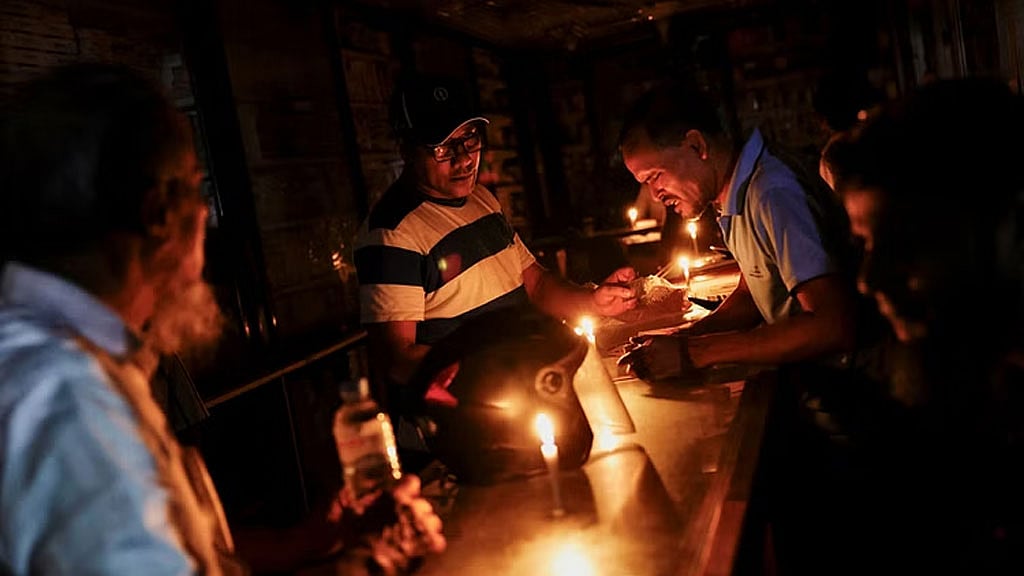
The government reintroduced rolling blackouts in July following a gas shortage fuelled by the Russia-Ukraine war. It also raised gas and fuel oil prices to save the depleted foreign currency reserves. The power crisis has worsened recently after a national grid failure.