Published : 10 Nov 2026, 03:50 PM
Updated : 10 Nov 2026, 03:50 PM


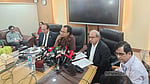
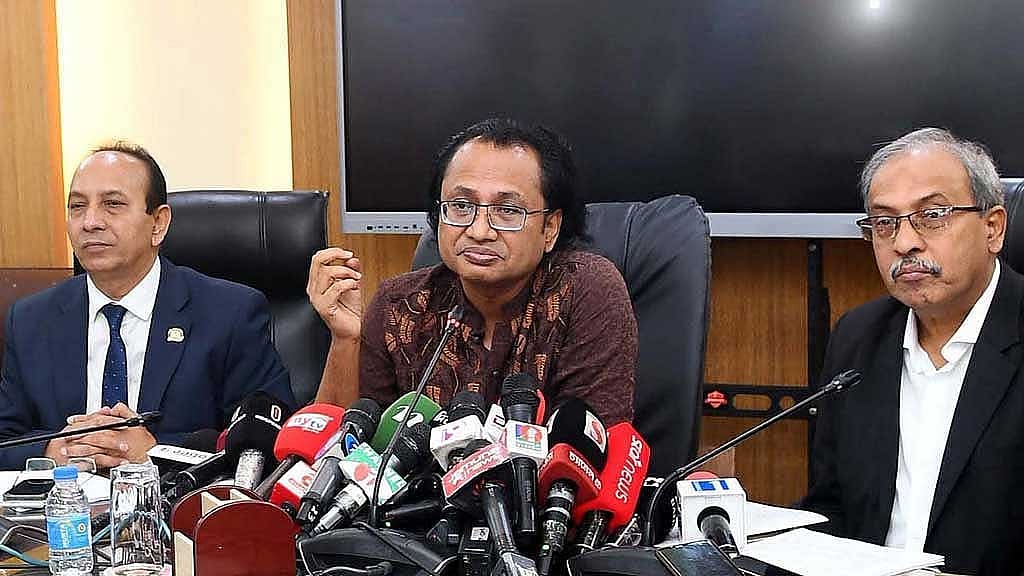
Prime Minister’s Advisor on Information and Broadcasting Zahed Ur Rahman has acknowledged that liquefied petroleum gas (LPG) is being sold at prices higher than those fixed by the government.
His remarks came in response to questions from journalists at the weekly briefing at the Secretariat on Tuesday.
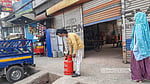
Media personnel asked the advisor about the unavailability of LPG cylinders at government-fixed prices, with consumers being charged Tk 500 to Tk 600 more in some cases.
He was also asked whether the sudden rise in rice prices and other essentials reflected shortcomings in the government’s market monitoring.
Zahed said, “In some places, products are being sold at prices higher than what we consider reasonable. We are facing some problems with supply. I am not saying this to evade responsibility.”
Explaining the government’s rationale for increasing LPG prices, the advisor said the government could keep prices lower through subsidies, but its capacity to provide such support was almost exhausted.
“The government can keep prices low by providing subsidies. But our capacity to provide subsidies is nearing its limit. In this situation, keeping prices low through subsidies could ultimately prove harmful to the people.
“I had said that even if gas prices increase, there are long-term benefits. Those who understand the fundamentals of economics will realise that the government’s capacity to subsidise and keep these prices low is almost exhausted,” he said.
Zahed said the amount of subsidies previously provided by the government across different sectors had declined, making it impossible to control prices in every sector through subsidies.
“However, failure to enforce government-fixed prices and selling products at prices higher than the stipulated rates are two separate issues. The government needs to take action in this regard,” he said.
Speaking about the effectiveness of market monitoring, he said the prospect of a price hike for any product could itself affect its supply and pricing.
“The government is trying to monitor the market situation. However, in a market economy, monitoring alone does not always produce effective results,” he said.
On the rise in rice prices, the advisor said increasing the supply of products was one of the government's effective tools for stabilising the market.
“To this end, an initiative has been taken to double the country's rice storage capacity, and work on it has already begun.
“Once adequate stocks are ensured, the government will increase rice supplies to the market if necessary. Intervening in the market by increasing supply is more effective than sending police to control it. The government is trying to implement this initiative,” he said.