Published : 09 Feb 2022, 12:00 PM
Updated : 21 Oct 2022, 03:36 PM


The surveys depict an increasingly frustrated and pessimistic nation that is as worried by the spectre of an endless pandemic as it is fearful of the disease. While a majority of voters remain concerned about the coronavirus, the balance of recent polling suggests that the desire to return to normalcy has approached or even overtaken alarm about the virus itself.
A recent Yahoo News/YouGov survey found that 46% of respondents thought Americans should “learn to live with” the pandemic “and get back to normal,” while 43% thought “we need to do more to vaccinate, wear masks and test.”
A Republican firm, Echelon Insights, had similar findings, reporting that 55% of voters thought COVID-19 should be “treated as an endemic disease that will never fully go away,” like the flu, while 38% said it should be “treated as a public health emergency.”
The results are especially striking at a time when coronavirus cases, hospitalizations and even deaths are near record highs. Indeed, the same polls showed that the public’s concern about the virus increased during the omicron wave. But in a telling indication of the public’s attitudes toward the pandemic, greater worry about the virus has not translated to greater support for measures to stop its spread.
Instead, fears of the virus apparently have been outweighed by mounting frustration with the inconveniences of a pandemic that has stretched into its second year. Three-quarters of adults described themselves as tired or frustrated with the pandemic in a recent Kaiser Family Foundation survey.
Fully 70% of Americans agreed with the statement that “it’s time we accept COVID is here to stay and we just need to get on with our lives” in a recent poll by Monmouth University. That survey found that support for vaccine mandates has dropped to 43% from 53% in September, while support for masking and social distancing guidelines dropped to 52% from 63% over the same period.
The findings come at a possible turning point in the pandemic, as several Democratic governors announced intentions to ease some mask mandates over the next month. The growing frustration with pandemic restrictions may help explain some of those early announcements — even as cases reach record levels.
The polls create a delicate challenge for the Biden administration, which never regained its political standing since the rise of the delta variant dashed this summer’s hopes of a return to normalcy. The growing unease with the pandemic seems to have added to the president’s political woes and may help explain why the public disapproves of President Joe Biden’s handling of the coronavirus for the first time.
But a majority of Democratic-leaning voters continue to support a more vigorous response to the pandemic, potentially limiting how quickly the administration can readjust to public opinion. Many Americans harbour serious concerns about the health risks presented by the virus; the Biden administration may not find it easy to bring them along, at least as long as cases and deaths remain at elevated levels.
And while a majority of voters may be itching for a return to normalcy, the public does not necessarily want an immediate end to pandemic-related measures. While a new Axios/Ipsos poll found that a majority of voters wanted to “move toward opening up,” less than half of those respondents — or 21% of all Americans — said they supported going back to life as usual with “no coronavirus mandates or requirements.”
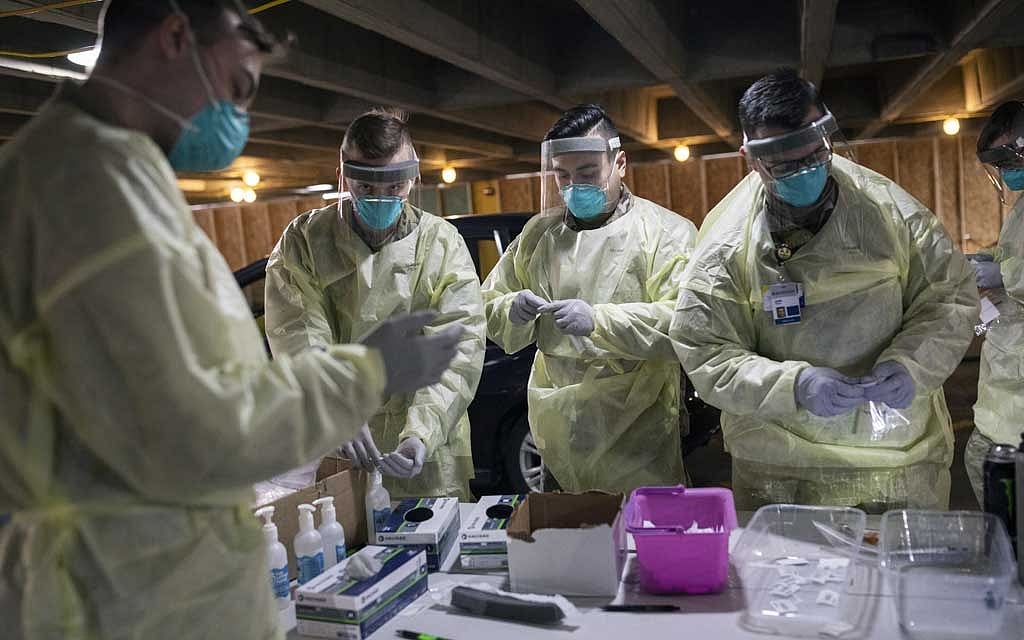
Members of the Ohio National Guard work at a coronavirus testing site in Columbus on Jan. 13, 2022.
But for now, the public is not optimistic about Biden or anyone bringing the pandemic to an end. Even though many of the most onerous pandemic restrictions, like shutdowns or remote schooling for children, have largely come to an end, only 18% of Americans say their lives have returned to normal, according to another Axios/Ipsos poll. In the same survey, 13% of people expected to get back to their normal pre-COVID-19 lives within the next six months, down from 36% in June.
Only 15% of adults believed that the disruptions to travel, school and work would end this year, according to Gallup. And 28% of those polled by Monmouth believed that the country would never return to normal again, up from 9% a year earlier.
At the same time, the public’s fears of the virus have gradually abated. Overall, 38% said they were very concerned about someone they know becoming seriously ill, according to the Monmouth poll. That’s up slightly from 30% in December, before the omicron variant spread, but beneath the 45% who said the same at the peak of the delta surge in September, or the 60% who said they were very concerned before the vaccination campaign in the spring.
The polls show that the public is, at best, divided on whether the virus itself is the most significant problem facing the nation. Many surveys show that the economy and inflation are now rated as the most important issues, and only about one-third of Americans say the pandemic is the most serious challenge.
The long-term decline in concern about the coronavirus likely relates to rising vaccination rates, but it may also reflect the diminished severity of the omicron variant. Overall, 69% of adults said they were “less worried” about how omicron will affect them personally than in prior waves of variants, according to the Kaiser Family Foundation poll. Instead, a majority of Americans said they were “more worried” about the effect of omicron on the economy and local hospitals.
Apparently, those societal concerns have not been enough to spur individuals to take action to check the pandemic. The Kaiser poll found that a majority of adults said they were no likelier to wear a mask, avoid large gatherings, get a vaccine or a booster shot as a result of omicron.
© 2022 The New York Times Company