Published : 11 Nov 2026, 05:44 PM
Updated : 11 Nov 2026, 05:44 PM


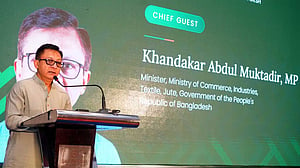
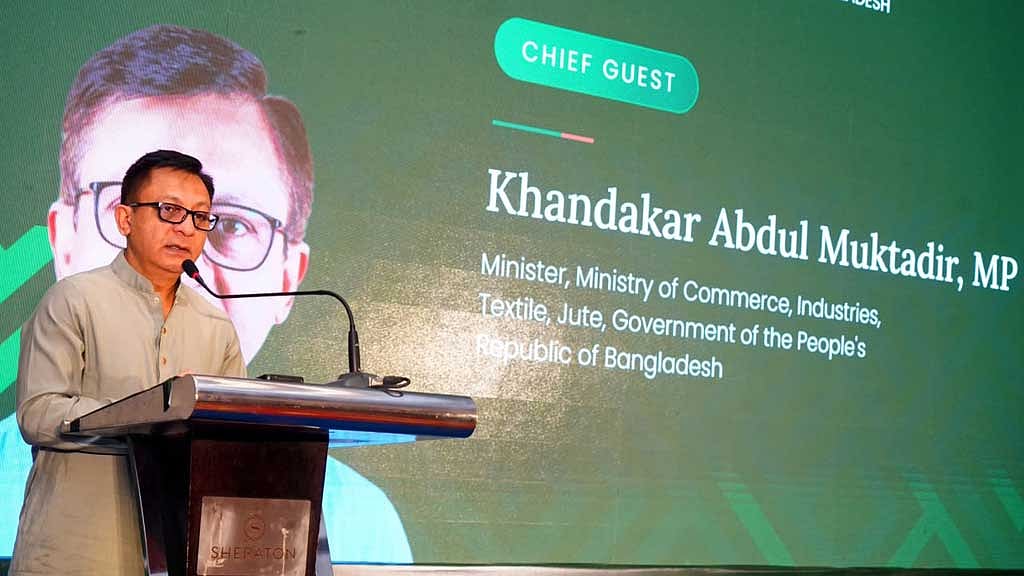
The Bangladesh government will provide the necessary assistance to tanneries that have yet to begin production after relocating to the Savar Tannery Industrial Estate, says Commerce and Industries Minister Khandakar Abdul Muktadir.
However, tanneries that fail to comply with environmental regulations will not be allowed to operate, he said, stressing that environmental standards, modern waste management and international certification are key to strengthening the global competitiveness of Bangladesh’s leather industry.
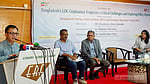
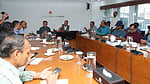
The minister made the remarks at the inauguration of the Bangladesh-Netherlands Sustainable Trade Forum 2026 and the CBI Home Textiles and Leather Programme at a hotel in Dhaka on Wednesday, according to a media statement issued by the ministry.
The event was jointly organised by the Netherlands-based Centre for the Promotion of Imports from Developing Countries (CBI) and LightCastle Partners.
Highlighting the delays in relocating tanneries from Hazaribagh to Hemayetpur in Savar, Muktadir said the prolonged process hindered the growth of the leather industry.
“The government is now taking effective initiatives to address the sector’s existing problems. Technical and financial assistance will be provided to bring the tanneries that have yet to start production after relocating to the Savar Tannery Industrial Estate into operation,” he said.
He said every factory covering 50,000 square feet or more would be required to install its own effluent treatment plant (ETP). All tanneries in Savar would also have to obtain certification from the Leather Working Group (LWG).
He made it clear that there would be no easing of environmental standards and regulations, or enforcement.
The minister also outlined plans to strengthen waste management by expanding the capacity of the central effluent treatment plant (CETP) at the Savar Tannery Industrial Estate and installing an advanced chromium recovery unit.
“Once these measures are implemented, the country's leather industry will be able to establish a stronger position in the international market,” he said.
Muktadir said Bangladesh had considerable potential to export leather and leather goods. The country exported around $1.78 billion worth of leather and non-leather products combined last year, he said, identifying the European Union as a major and promising market.
Neighbouring India has also emerged as one of the leading buyers of Bangladeshi leather products, he said.
To fully harness this potential, he stressed the need to improve product quality, ensure environmental compliance and develop production systems that meet the requirements of international markets.
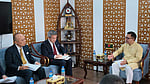
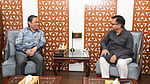
Emphasising the importance of strengthening bilateral trade ties between Bangladesh and the Netherlands, Muktadir said cooperation between the two countries could open up new opportunities in sustainable industrialisation, technology transfer, skills development and wider access to international markets.
The Netherlands' technological and institutional expertise could play an important role in making Bangladesh's export-oriented industries more competitive, particularly in home textiles and leather, he added.
Dutch Ambassador to Bangladesh Joris van Bommel and CBI Managing Director Judith Arends also spoke at the event.