Published :
25 Apr 2014, 02:09 PM
Updated :
08 Aug 2022, 06:42 PM
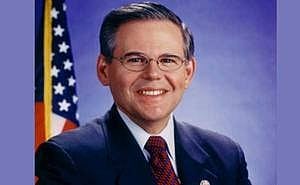
A year after the worst-ever building collapse, the Chairman of the Senate Foreign Relations Committee in a statement praised international communities and buyers for their engagement, but said the year had been “business as usual” for Bangladeshi stakeholders.
He also found “lack of institutional capacity and political will” of the government to protect new unions in the garment industry.
He cautioned the BGMEA and the government and said they “must understand this simple message: Western consumers will not buy clothes that are stained with the blood of Bangladesh's workers”.
The Rana Plaza collapse last year on Apr 24 evoked worldwide concerns and forced the burgeoning ready-made clothes industry to swing into actions to ensure their factory safety and workers rights.

File Photo
Menendez is also a member of the Senate Committee on Finance. It was he who wrote to the United States Trade Representative to suspend GSP benefits to Bangladesh “because of the dire state of workers’ rights and safety”.
The US suspended the trade preferences for Bangladeshi products in June last year as it “failed to improve labour conditions, especially in the garment sector”, though the main export item clothes never enjoyed the benefit.
This year on Mar 24, Menendez wrote a letter to the BGMEA President and threatened garment owners that he would not support the restoration of Bangladesh’s GSP facilities unless “harassment and intimidation” of garment union organisers and members are stopped.
After revoking GSP facility, the US administration rolled out action plans to ensure factory safety and workers rights.
In the new statement, according to the US embassy, Menendez said for many the tragedy was “a call to action”.
“The US government has suspended trade benefits for Bangladesh until it takes several concrete steps to improve workers' rights and safety.
“The International Labor Organization has initiated its largest-ever safe factories program in Bangladesh and coordinated safety inspections, as well as compensation for the victims of Rana Plaza.
“International retailers have taken important initial steps to address building and worker safety in Bangladesh,” the Senator said.
“Yet for others involved in Bangladesh's garment industry, the past year has been business as usual,” he said.
He stated that many factory owners in Bangladesh had “suppressed” the formation of unions in their factories “by firing union leaders and, according to reports, some factory managers have been involved in vicious attacks on union organizers”.
“The industry association for Bangladesh's garment factory owners, BGMEA, continues to represent the old guard of factory owners and has been reluctant to take any action against its members who engage in anti-union activity,” he said.
“The government of Bangladesh, while making progress in the registration of new unions, still lacks the institutional capacity and political will to protect them”.
“This has had a chilling effect on labor organizing in the country,” he asserted.
He said many workers now fear losing their jobs if they join a union and union organizers rightly fear for their own safety.
“Without the strong voice of an independent factory union, workers have no mechanism to ensure their own safety,” he said.
“They cannot make sure that managers keep fire doors shut and stairwells clear, or that cracks in columns and walls are not simply painted over.
“If the BGMEA and the government of Bangladesh do not take immediate and concerted steps to end the suppression of fledgling unions, it is only a matter of time before another large-scale tragedy hits Bangladesh's garment industry, and the 'made in Bangladesh' brand is tarnished beyond repair,” he said.
The US Department of State, the Office of the US Trade Representative, the Agency for International Development, and the Department of Labour earlier in a joint statement said they found “some important progress” Bangladesh had made, but “there is much more work still to be done”.
They said Bangladesh had allowed over 140 unions to register, permitted re-registration of a leading labour rights non-governmental organisation that had been stripped of its registration.
It has agreed to an ambitious plan for safety inspections and factory-level monitoring and remediation across the garment sector in collaboration with the ILO. It has begun the hiring of new labour inspectors, and conducted preliminary safety inspections, added the statement.
The European Union has also found “significant progress” being made in factory safety and labour rights within a year of the building collapse, but said “more must be done”.