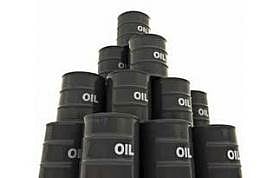
Pricier fuel sparks inflation: BB
L/Cs to import fuel oil up a staggering 93.23 percent in the first seven months of the current fiscal. Adds
bdnews24.com News Service
bdnews24.com
Published :
09 Mar 2012, 06:40 AM
Updated :
09 Aug 2022, 03:31 PM
Abdur Rahim Harmachi
bdnews24.com Chief Economic Correspondent
Dhaka, Feb 9 (bdnews24.com) – Hike in prices and increase in the demand for fuel oil are the main reasons behind rising inflation, the Bangladesh Bank believes.
"Basically hikes in prices of necessities in the international market and fuel oil in local market, along with increased demand for fuel oil, appear to be the main reasons for inflation," the central bank says in a recent report on the economy.
According to the report, the average inflation rate in the past 12 months ending in January was 11.59 percent; while the rate was 10.91 percent on a point-to-point basis.
The inflation rate for an average of past 12 months had been 9.04 percent in January last year, with point-to-point inflation at 8.14 percent.
According to the central bank, the import of all the products except fuel oil has dropped in the first seven months (from July to January) of the current fiscal.
In that time, the number of L/Cs (letters of credit) opened to import rice has decreased 73 percent, to import capital machineries fell 33.22 percent and to import industrial raw materials, dropped 9.32 percent from the previous financial year.
On the other hand, the number of L/Cs opened to import fuel oil has increased a staggering 93.23 percent, the central bank revealed.
Finance minister Abul Maal Abdul Muhith, however, said the government was trying to keep the inflation rate at a tolerable level.
On Mar 4, he presented a report in parliament titled 'Budget 2011-12: Implementation, Progress, Income-Expenditure Trend and Macroeconomic Analysis of the 1st Quarter (From July to September)'.
In the report, he said the average inflation rate in those three months was 11.41 percent, which had been 7.6 percent during the same period last fiscal. The rate was seeing an upturn, he said and reasoned food inflation as the cause.
The inflation of commodities, other than foods, also put pressure on the general inflation rate, Muhith said.
The report reads that the hike in prices of fuel oil and food in the international market, additional flow of loans and limitations of supply were fuelling inflation.
However, the prices of fuel oil have dropped in the international market. According to International Monetary Fund (IMF) forecast, the prices of fuel oil would come down at $100 per barrel by end of 2012.
In the report the central bank said the flow of remittance marked an increase at the end of the fiscal shrugging off lengthy impact of the world economic recession.
The amount of money sent by Bangladeshi expatriates last year marked a 6.03 percent rise.
Remittances increased by 12.15 percent in the first eight months of 2011-2012 (July-February) fiscal while export earnings grew 13 percent in that period.
Foreign currency reserve with the central bank was $10.03 billion until Mar 6 this year. It was $10.30 billion at the same time last year.
Import spending rose at a tolerable 15.61 percent in July-Jan period of the ongoing fiscal, much less from the 41.8 percent jump in the last financial year.
Expenditure in importing consumer products, capital machinery and industrial raw materials fell by 73.19 percent, 33.22 percent, 9.32 percent respectively from last year.
But, the government had to spend 93.26 percent more than it did last year to import petroleum oil.
The finance minister in his report had expressed hope that the bumper production of Boro crops and the possibility of satisfactory growth in the agriculture sector will play a positive role in reducing the possible inflation pressure in the current fiscal.
"The good news for us is that we don't need to import rice. With the reserve rice, I don't think that we will need to import anymore in the next few days," former advisor to the caretaker government A B Mirza Azizul Islam told bdnews24.com.
"Our (the country's) inflation now basically depends on fuel," he added.
He said prices of fuel oil have experienced hikes several times in the tenure of the incumbent government. "The demand for fuel oil has also increased due to its usage at the power plants."
"Fuel oil is such a commodity whose price hikes impact almost all other commodities including transport cost. The same thing is happening here," he added.
bdnews24.com/arh/shs/ost/tk/bd/1321h