


Published : 30 Jul 2017, 07:46 PM
Updated : 19 Oct 2022, 03:42 PM


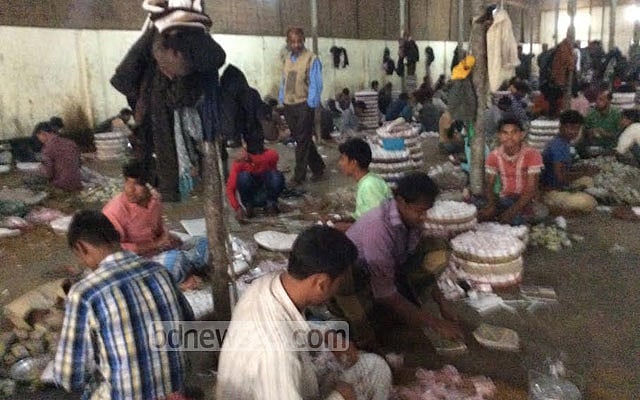
“We have decided along with some of the bidiwalas that bidi will be out of Bangladesh (sic),” he told reporters after a meeting with representatives of the tobacco companies at his office on Sunday.
Asked whether the departure of bidi from the market will affect revenue collection, Muhith said, “No. It won’t affect revenue collection significantly. Revenue would drop slightly along with the demand of this product.”
He also said the pressure from politicians, including MPs, to retain the bidi industry eased this year. “I received a number of letters in this regard last year. I’ve got only two to four this year.”
About rearranging the price structure of cigarettes, he said, “The factory owners have submitted their proposals. Now we (government) will sit and decide about this.”
Commerce Minister Tofail Ahmed and National Board of Revenue Chairman Nojibur Rahman were also present at the meeting.
In the budget for fiscal 2017-18, Muhith fixed the tax inclusive price of 25 sticks of non-filter bidi at Tk 15 and 20 sticks of filter bidi also at Tk 15.
He also fixed prices for the lower slab of every 10 cigarettes by the local manufacturers at Tk 27, up from Tk 23, and Tk 35 for international tobacco makers.
The market share analysis of the low segment cigarette for the past few years suggests that the domestic cigarette manufacturing companies are gradually losing their share of the market to multinational companies.
If this trend continues for another two years, the domestic industries will be completely eliminated from the market, Muhith said after placing the budget in June.
Moreover, the brands marketed by the multinational companies in the low segment are in fact the top and popular brands in other countries. This has created uneven competition in the market.













