Published : 28 Oct 2026, 11:56 PM
Updated : 28 Oct 2026, 11:56 PM


For 10 months, Bangladesh’s mobile-phone registration system has remained in limbo. The Bangladesh Telecommunication Regulatory Commission (BTRC), which announced that the National Equipment Identity Register (NEIR) would launch on Jan 1, now says it is waiting for government approval.
Phones labelled “unofficial” still work freely on networks, despite plans to disconnect them.
Authorities argued that smuggled, low-quality, stolen and refurbished handsets evade taxes and can facilitate fraud.
Grey-market traders countered that excluding them would raise prices and undermine digital inclusion.
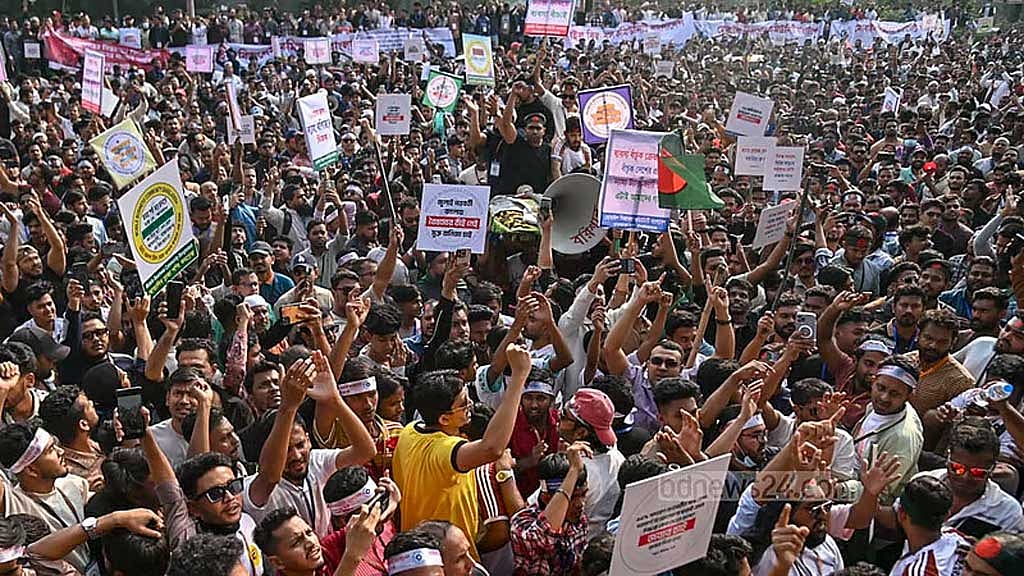
Their protests turned violent in December, when the Mobile Business Community of Bangladesh rallied outside BTRC headquarters in Dhaka.
The office was attacked and vandalised, and police arrested 45 demonstrators.
Traders later blocked roads outside markets and met Prime Minister Tarique Rahman after returning.
The BNP took power after February’s election, and the registration plan stalled.
It is the regulator’s third failed attempt in 12 years, following initiatives in 2014 and 2021 under the Awami League government.
Millions of Phones, One Identity
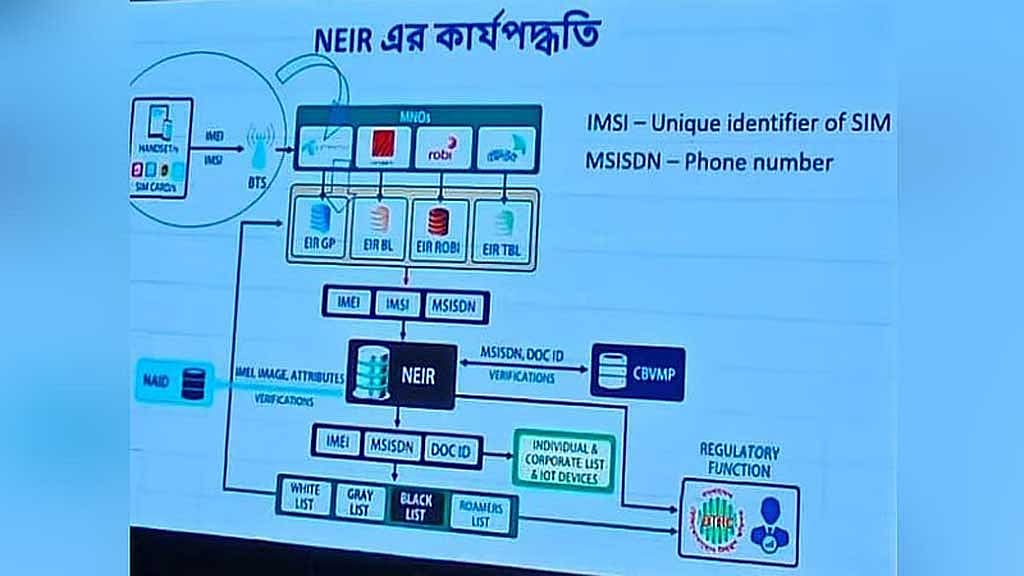
Every handset receives an International Mobile Equipment Identity (IMEI) number from industry body GSMA; dual-SIM phones have two.
Yet a government statement on Jan 3 said 39.12 handsets had appeared on Bangladesh’s network over 10 years under one IMEI: 99999999999999.
Officials said millions of phones were operating with cloned identities, but would not be disconnected immediately. Traders were given until Mar 15 to bring in unofficial phones before new connections were blocked.
The BTRC figures show that September saw just 40 phones imported legally, while local factories produced 1.645 million handsets.
Of these, 792,000 supported 4G, 31,000 supported 5G and 822,000 were 2G-only feature phones, even as the government discusses phasing out 2G.
August saw 2.2 million locally made phones and no legal imports; July recorded 25,000 legally imported 2G phones.
BTRC Chairman Md Emdad Ul Bari, a retired major general, told bdnews24.com that finding 9.9 million phones using one IMEI had underscored the need for NEIR.
He said the home ministry was pressing for implementation from Jan 1 and the commission had sought approval from the posts and telecommunications ministry last week.
“We are ready. The day the government gives approval, we will start the operation,” he said.
A System Stalled by Indecision
Rashed Mehedi, editor of Views Bangladesh, said the regulator had repeatedly failed to decide.
“Implementing NEIR is entirely within BTRC’s authority. When they announced it, did they not have government approval? It is not acceptable to say this now.”
He said registration was necessary, but BTRC had failed to consult companies with expertise and had left questions unresolved for foreign visitors and online troubleshooting.
He also alleged that powerful political interests protected grey-market traders importing phones through hundi or money laundering.
Mehedi said registration could protect second-hand buyers, improve resale values and reduce phone snatching by preventing stolen devices from connecting to networks.
A police official said it could also help disable stolen phones and identify criminals using anonymous SIMs, fake mobile financial service accounts and cloned identities for online gambling, threats and misinformation.