Published :
09 May 2013, 05:45 PM
Updated :
20 Oct 2022, 03:36 PM
Global clothing brands are under pressure from their governments to work together with Bangladeshi government and industry leaders to improve working conditions in the garment sector.
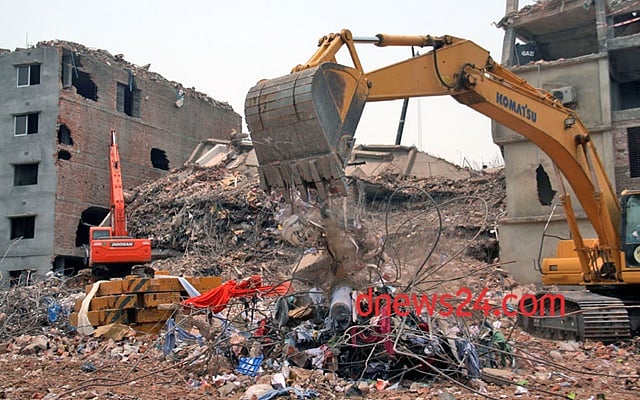
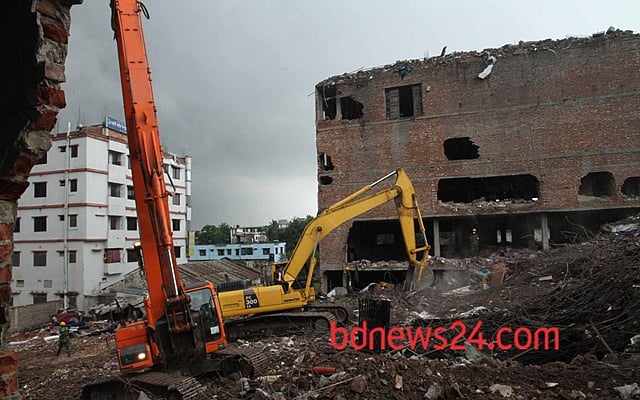
They have been in sharp criticism for doing too little to safeguard the garment workers in the wake of the last month’s Savar building collapse where more than 960 people had been confirmed killed.
The United Nations expert panel and the US State Department on Wednesday strongly urged the clothing brands to work on factory safety and fire initiatives.
The European Union earlier suggested its buyers work with Bangladesh government, industry leaders and labour groups for better working conditions.
The State Department, the Department of Labor and the Office of the US Trade Representative in a conference call with US buyers in Bangladesh’s garment industry also urged them to help pay for independent safety and fire inspectors.
The five factories housed inside the Rana Plaza building were producing for retailers in Europe and Canada.
Authorities are continuing to search the debris for more bodies since April 24.
“The international brands sourcing from Bangladesh have a responsibility to conduct human rights due diligence to identify and address their own impacts on human rights,” said Pavel Sulyandziga, who currently heads the five-strong UN Working Group on business and human rights.
“If they are linked with negative impacts on human rights through their suppliers,” he said, “they have the responsibility to exercise their leverage as buyers to try to effect change”.
The State Department has noted that both the US and Bangladesh have ‘a shared interest’ in ensuring that the growth of “Bangladesh’s export sector does not come at the expense of safe and healthy working conditions or fundamental labor rights”.
It also noted that the tragedy once again “underscores the urgent need for government, owners, buyers, and labor organisations to work together to improve labor safety and the lives of working people in Bangladesh”.
The US has long been pressing for the provision of trade union in garments factories and after the devastating building collapse it urged for “the immediate passage” of the labour law amendments.
The amendments, it believes, will lay the basis for the establishment of an International Labor Organization and International Finance Corporation’s ‘Better Work Program’.
Bangladesh's largest industrial disaster also sparked outrage inside the country. Garments workers have protested blockading roads for the tragic deaths of their colleagues.
Several people, including building and factory owners, have been arrested.
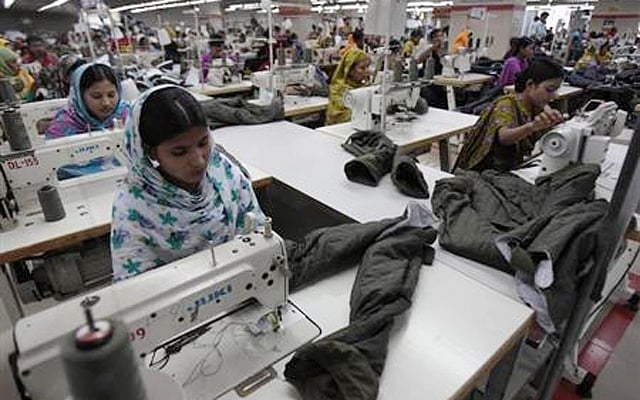
Employing more than 3.5 million workers, mostly female, the garment sector plays a crucial role in Bangladesh economy and development.
Bangladesh relies on garments for 80 percent of its exports. Europe and American are the major buyers of Bangladeshi clothes.
But incidents like fire and building collapse repeatedly raise the questions about worker safety and labour conditions.
The worst incident also paved the way of bringing in reforms.
The Bangladesh Garment Manufacturers and Exporters Association (BGMEA) said they had formed committees to look into the working conditions of their licensed industries.
Representatives of major international garment buyers also met industry representatives in Dhaka after the incident and agreed to form a joint panel to put together a new safety plan.
The government, employees and workers also agreed on a tripartite action plan guided by the ILO to bring changes in the working conditions including building safety.
The UN expert Sulyandziga in his statement said they strongly urged international clothing brands sourcing from Bangladesh “to address human rights risks in their supply chains with the involvement of workers, other relevant stakeholders, and human rights experts”.
The expert also urged them to share publicly “what they are doing to mitigate their risks”.
He urged brands to address how buyer behaviour and pricing strategies may prevent investments in safer factories and living wages for workers, and called on the international garment sector to implement the UN Guiding Principles on Business and Human Rights.
After the tragedy, the Retail Council of Canada, which represents operators of more than 43,000 stores in Canada, said it would work with international organisations, the Bangladeshi government and others to find ways to address safety in the Bangladesh garment industry.
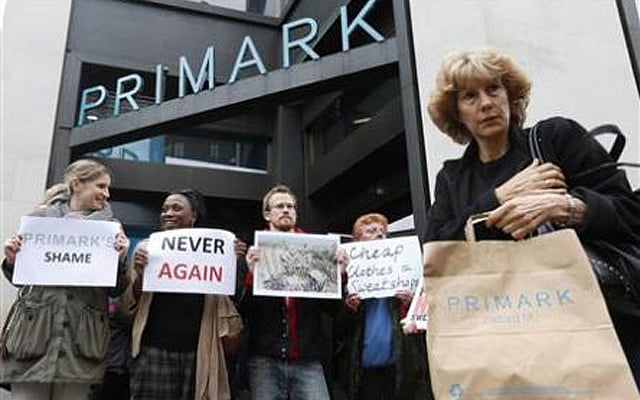
UK chain Primark and Loblaw have promised to compensate the families of garment workers killed under the rubbles.