


Published : 17 Dec 2012, 07:06 AM
Updated : 09 Aug 2022, 04:36 PM


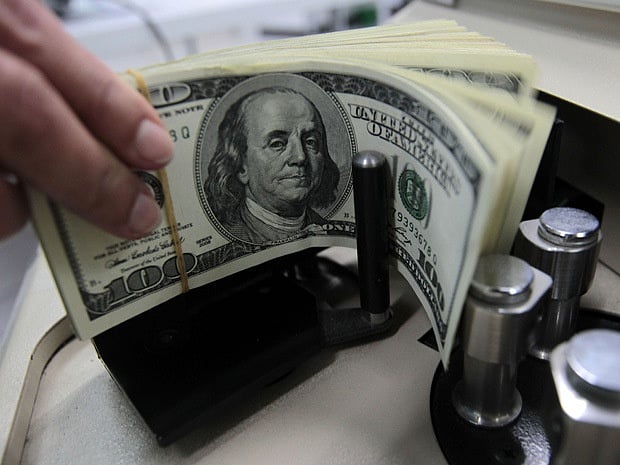
The Bangladesh bank has purchased 120 million US dollars from the local market to prevent declining dollar prices from negatively impacting on remittance flows and export earnings.
Officials at the Bank said the purchase was effected last week in view of steady fall of dollar rates estimated around five percent since it peaked at Tk 84.50 in January.
Taka has gained nearly five percent against the US dollar over the last one year , frustrating Bangladesh Bank's efforts to stabilise dollar rates in the market, they said.
Over the last ten days, the dollar has steadily fallen by Tk 0.10 to 0.15 each day .In the inter-bank currency market, dollar was traded for Tk 80.50 last Thursday.
Economists and central bank officials said the local currency was gaining on the greenback due to buoyant remittance, declining import costs and foreign aids.
"Dollar price in the local market has fallen recently due to the healthy remittance flow, increasing export income and foreign aids coupled with a lower import demand," Bangladesh Bank's Chief Economist Hasan Zaman told bdnews24.com.
He claimed the central bank was not intervening in the currency market but purchasing dollars from it in a bid to avert huge index fall.
Zaman believes strengthening the local currency against dollar is 'a positive move' in controlling the country's overall inflation.
Bangladesh Institute of Development Studies (BIDS) Director (Research) Zayed Bakht suspected the remittance and import income would go down if the dollar price downtrend continued. "Bangladesh Bank is buying dollars from the market to avoid that."
"So, it can be said the central bank was interfering in the market to maintain dollar price," he said.
The economist said the expatriates were remitting large amounts over the past several months due to higher dollar price and the buoyant remittance flow had a positive impact on the export income.
On Oct 18, the foreign exchange reserves crossed the $12-billion mark for the first time in Bangladesh's history.
In the first week of November, the reserves swelled to $12.36 billion but came down to $12 billion after paying the Asian Clearing Union's (ACU) import bill.
General Manager of the bank's Foreign Exchange Reserve and Treasury Management Department, Kazi Saidur Rahman, told bdnews24.com the reserve was in a 'satisfactory' state as Bangladeshi expatriates were remitting more and the amount of foreign assistance had increased.
He said it was possible for the bank to pay off the import costs for five months with its current reserve.
Rahman said the reserve would swell after receiving the second IMF loan tranche of around $140 million under the extended credit facility in January.
Recent Bangladesh Bank data showed that from July to November in the current fiscal, the country received around $6.12 billion in remittance, a 24.16 percent jump from around $4.92 billion during the same period last FY.
Bangladeshi expatriates remitted another $300 million in the first seven days of December.
The remittance hit a record high topping $1.45 billion in October this FY ahead of the festive season of Eid-ul-Azha and the Durga Puja.
According to data provided by the Economic Relations Department (ERD), the foreign aid received by Bangladesh nearly trebled in the first three months of the current (Jul-Sep).













