


Published : 15 Feb 2022, 05:54 PM
Updated : 21 Oct 2022, 03:36 PM


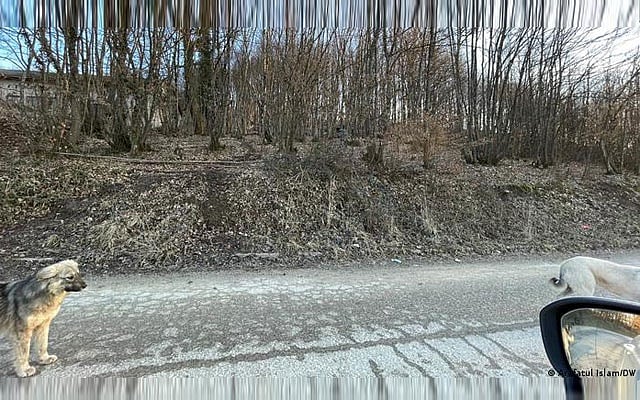
They are all gone by now. Where did all of them go in such a relatively short time?
Over the past few years, thousands of people, including Bangladeshi nationals, have tried to reach Europe, braving risky trips.
According to the European news site InfoMigrants, Bangladeshis topped the list of illegal migrants attempting to get to Europe in the first six months of 2021.
Many illegal migrants try to reach Italy first. Bangladeshi nationals rank second among those trying to enter Italy by illegal means, says European border and Coast Guard Agency Frontex.
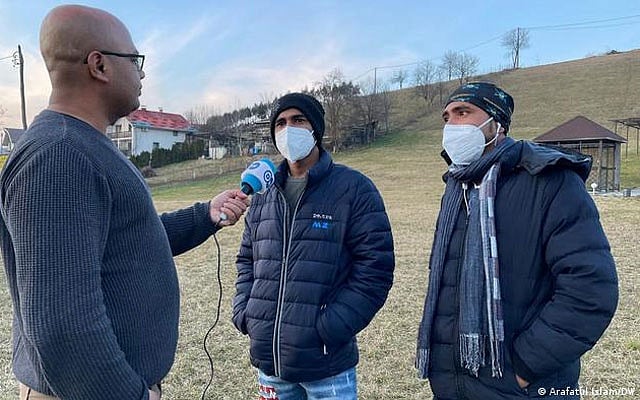
Many Bangladeshis are languishing at different camps in Eastern European countries in their attempt to reach the European Union bloc. Deutsche Welle Bengali reporters Arafatul Islam and Anupam Deb Kanungo visited the camps for insight into these migrants. They met two Bangladeshi nationals while visiting a camp in the jungles of Velika Kladusa near the Bosnia border.
The two Bangladeshis were living in the same camp alongside hundreds of other Bangladeshis when the Deutsche Welle reporters visited a year and a half ago.
Around six hundred Bangladeshis who lived in the jungle camp have since migrated to Italy, France and other European countries, they claim.
"They all went to Italy and France. Some of them went using the taxi game, while others walked," Ashrafuzzaman, one of the Bangladeshi migrants, told Deutsche Welle.
The aspiring migrants call the process of evading border guards and reaching their destinations through risky routes a ‘game’.
To ‘play’ such a ‘game’ some of them take help from traffickers and middlemen, while others attempt to cross the border themselves.
Only nine of the 600 Bangladeshis who were at the Bosnian camp are still living there, said Ashrafuzzaman. He said he had failed to ‘win the game’ in 30-35 attempts.
Another group of 30-35 Bangladeshis are still in Sarajevo, he said.
Ashrafuzzaman said he still has contact with many Bangladeshis who have already settled in the EU countries and are ‘doing well’. A few of them are, however, ‘facing difficulties’ because they are unable to collect necessary documents from their home country, he said.
Raju, a Bangladeshi man, has repeatedly tried to reach Europe for the past eight years. He is currently stuck in Bosnia. After leaving Bangladesh in 2014, Raju stayed in Oman for two and a half years and then spent another four years in Iran.
When asked why he had worked so long to get there, Raju said he had to take the risk to reach Europe as he was unemployed in Bangladesh. “I have to look out for my family. That’s why I came here,” Raju said.
Ashrafuzzaman said he started for Europe in 2018 and reached Bosnia by spending around Tk 500,000- 600,000. He reached Turkey via Oman and Iran. From Turkey, he went to Greece, then Serbia and finally reached Bosnia.
“I would have never come here if I had opportunities in Bangladesh. We don’t get jobs there despite having a Master’s degree. It’s really hard for the young people to survive and provide for their families,” Ashrafuzzaman said.
For a year and a half, he has been trying to leave the jungle and get to Italy. At first, he took help from middlemen but failed to make it across. At one point he learned to play the game by himself, he said.
“I went with the middlemen several times and I eventually learned how to do it myself. I just follow the location on my mobile phone and walk,” said Ashrafuzzaman.
He has never reached Italy. Most of the time he is caught in Slovenia, he said.
“Sometimes police catch me before I can get in a car. Sometimes the dogs track me down.”
Border guards in Croatia and Slovenia are quite active and migrants are tortured when they are caught, he said.













