


Published : 21 Aug 2013, 11:46 AM
Updated : 09 Aug 2022, 11:02 AM


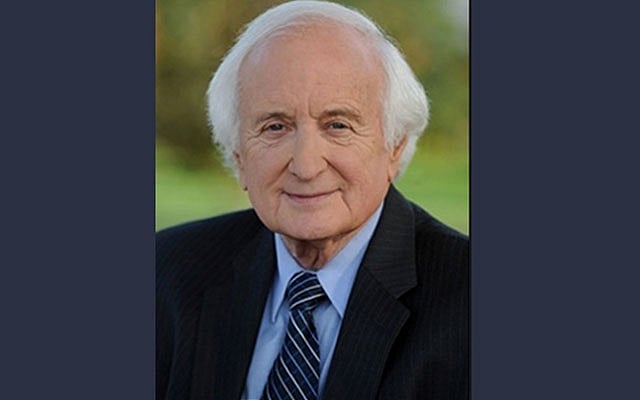
The US Congressman Sander Levin who applauded Obama administration for suspending Bangladesh’s GSP privilege has urged all not to see the US decision negatively.
“It was an effort (GSP) to really respond in a constructive, not in a negative way,” he said on Wednesday during a media interaction in Dhaka.
“To say to ourselves and to say to all of you in this wonderful country with whom we have such a warm relationship,” he said, “We need to do better. We need to be changed.”
Levin, a Ranking Member of the House Ways and Means Committee that has jurisdiction over all tax, trade and economic growth policies and entitlement spending, including social security, medicare, welfare and unemployment compensation, arrived Dhaka Monday on a three-day visit.
His visit follows the US GSP suspension in June after the April worst-ever factory building collapse that killed more than 1100 people.
He had already visited garment factories inside and outside the EPZ zone and had meetings with the Prime Minister, Foreign Minister and Secretaries for foreign affairs, commerce and labour.
During his meeting with the Prime Minister Sheikh Hasina on Tuesday he said the Obama administration’s decision to suspend the facilities was not to be interpreted as a stand against Bangladesh.
He said after the GSP suspension, Bangladesh had taken many steps, “but still more need to be done”.
He said the Rana Plaza incident came as a shock to him. After the incident, he urged Prime Minister Sheikh Hasina in a letter to join in “a comprehensive, concrete and coordinated plan to ensure worker safety and secure workers’ rights in Bangladesh.”
He also called upon nine separate US retailers to join a global coalition supporting a May 12 Accord on Fire and Building Safety in Bangladesh, developed by the Worker Rights Consortium and a number of key stakeholders.
On Wednesday he stressed on collaborative efforts with the government at its spearheading role before the review of the decision.
The review will be held in December and then June.
He said after the Rana Plaza incident, US customers have a ‘feeling of guilt’. “We don’t want to procure clothes where workers are being exploited”.
Levin said during his factory visit he found difference between factories inside and outside the EPZ zone. For him, factories outside the export processing zone are not upto the mark in terms of safety issues.
The US suspended the privilege for zero-tariff market access of a host of Bangladeshi goods to its market as a symbolic move to pressurise Bangladesh to improve working conditions and safety in the garment industry that have cost more than 1,200 lives in the past one year.
However, the US sanction does not directly affect Bangladesh's main export, multi-billion-dollar clothing to the United States, since garments are not eligible for duty cuts.







