


Published : 06 Sep 2017, 06:31 PM
Updated : 05 Aug 2022, 07:27 PM


Guterres said in the letter to the Security Council that he had proposed “various steps to end the violence and address the underlying causes of the crisis”.
“The international community must undertake concerted efforts to prevent any further escalation and to seek a holistic solution,” he said.
He made the comment at the opening remarks in a press encounter in New York at the UN headquarters on Tuesday.
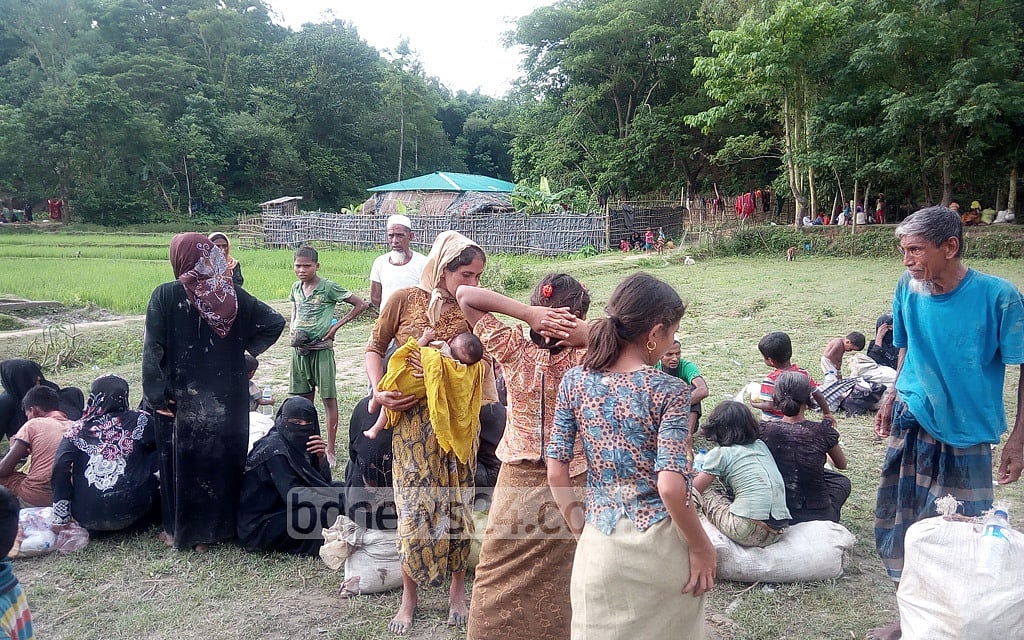
“I am grateful to the authorities of Bangladesh for their decision to allow refugees to enter the country, and I encourage them to meet the needs of recent arrivals,” he said. “The United Nations is and will remain totally committed to help.”
“I am deeply concerned about the security, humanitarian and human rights situation in Myanmar’s Rakhine State,” the UN chief said while speaking on the ongoing global challenges before the General Assembly in two weeks’ time when world leaders will convene in New York.
The nuclear threat, sectarianism and climate change are the three main challenges now, he said speaking on the Myanmar issue under the ‘sectarianism’ challenge.
“We are all aware of a long-standing history of discrimination, hopelessness and extreme poverty in that State.”
“I have condemned the recent attacks by the Arakan Rohingya Salvation Army. But now we are receiving constant reports of violence by Myanmar’s security forces, including indiscriminate attacks. This will only further increase radicalisation,” he said.
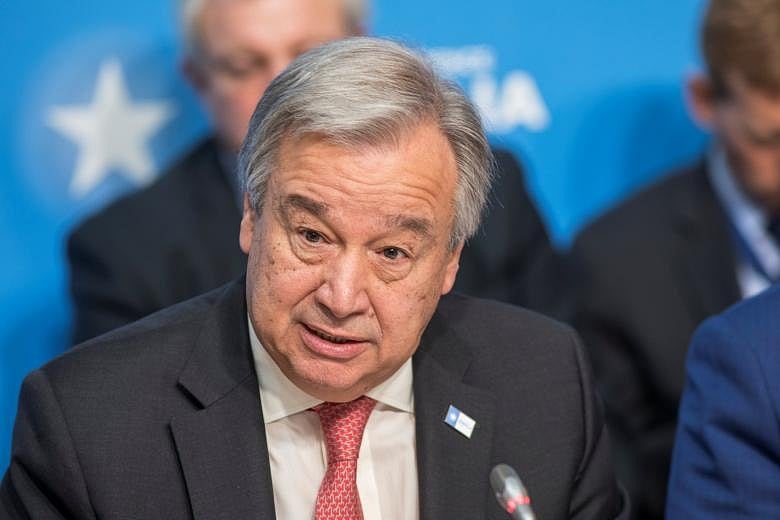
UN Secretary-General António Guterres
“The grievances and unresolved plight of the Rohingya have festered for far too long and are becoming an undeniable factor in regional destabilisation,” he said.
The authorities in Myanmar must take determined action to put an end to this vicious cycle of violence and to provide security and assistance to all those in need, Guterres said.
“I urge them to ensure unhindered humanitarian access for life-saving relief operations. At the same time, it is no longer possible to delay an effective action plan to address the root causes of the crisis,” he said.
“It will be crucial to give the Muslims of Rakhine State either nationality or, at least for now, a legal status that will allow them to have a normal life, including freedom of movement and access to labour markets, education and health services.”
“The recommendations of the report of the Advisory Commission on Rakhine led by my predecessor Kofi Annan, and which the Government has signalled it accepts, must be fully implemented,” the UN chief said.
“For my part, I will continue to engage with all relevant parties in the region and beyond.”













