November 23, 2026

Tough homes in coastal areas

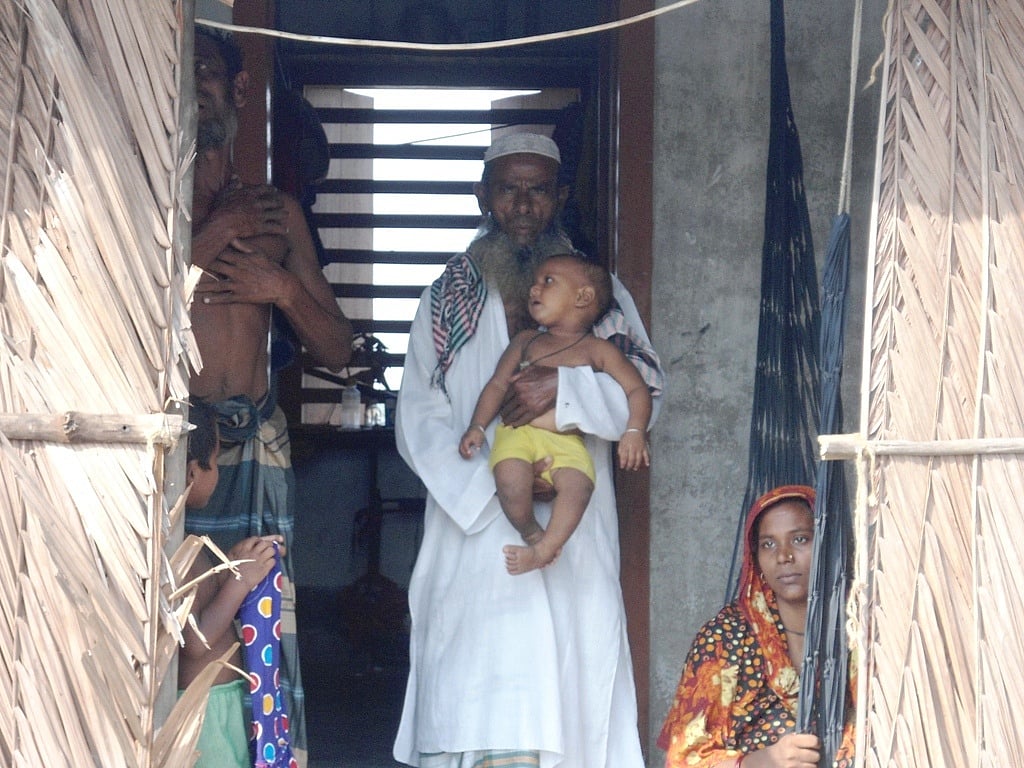
Rahmat Ali survived cyclone Aila that destroyed his coastal Bainpara village on May 25, 2009, and still remembers how they had fled homes and taken refuge in a far-away crowded shelter.

Nurul Islam Hasib

back from Khulna

bdnews24.com

Published : 20 May 2014, 08:27 PM

Updated : 19 Oct 2022, 07:29 PM

But now the government has assured 65-year-old Ali, still haunted by memories of that disaster, that he need not leave home if cyclone strikes again.

The village, in the south-west coast of Khulna district, was flattened by 120 kmph winds and a following tidal surge, and the 58 families that survived had taken shelter on an embankment.

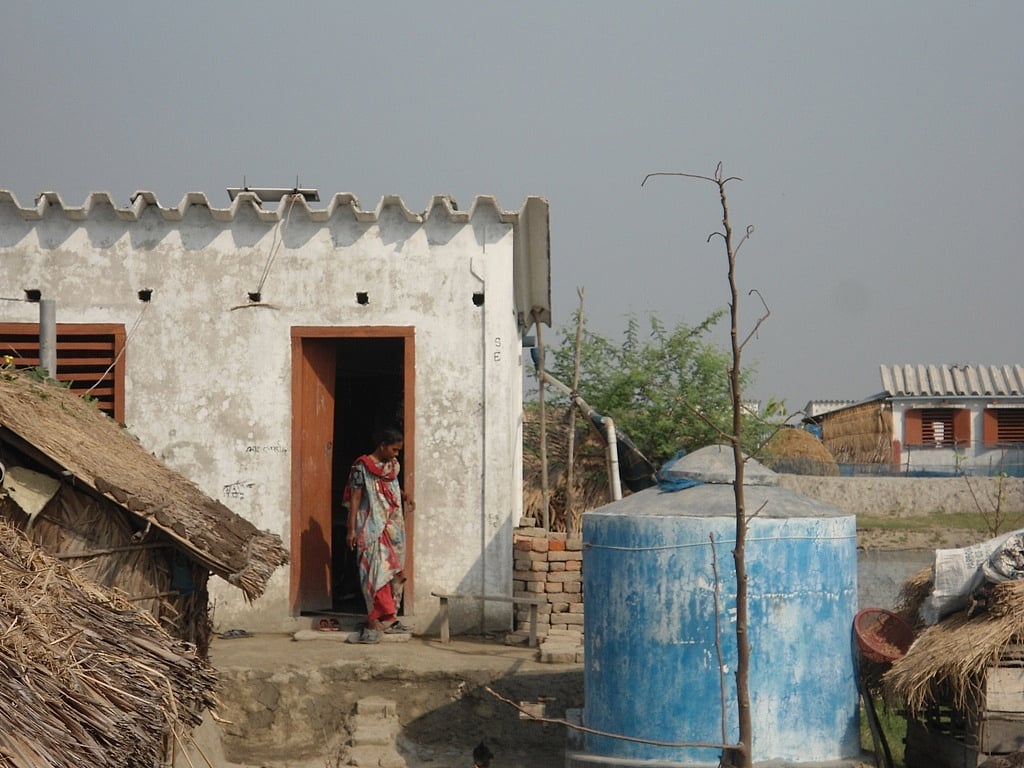
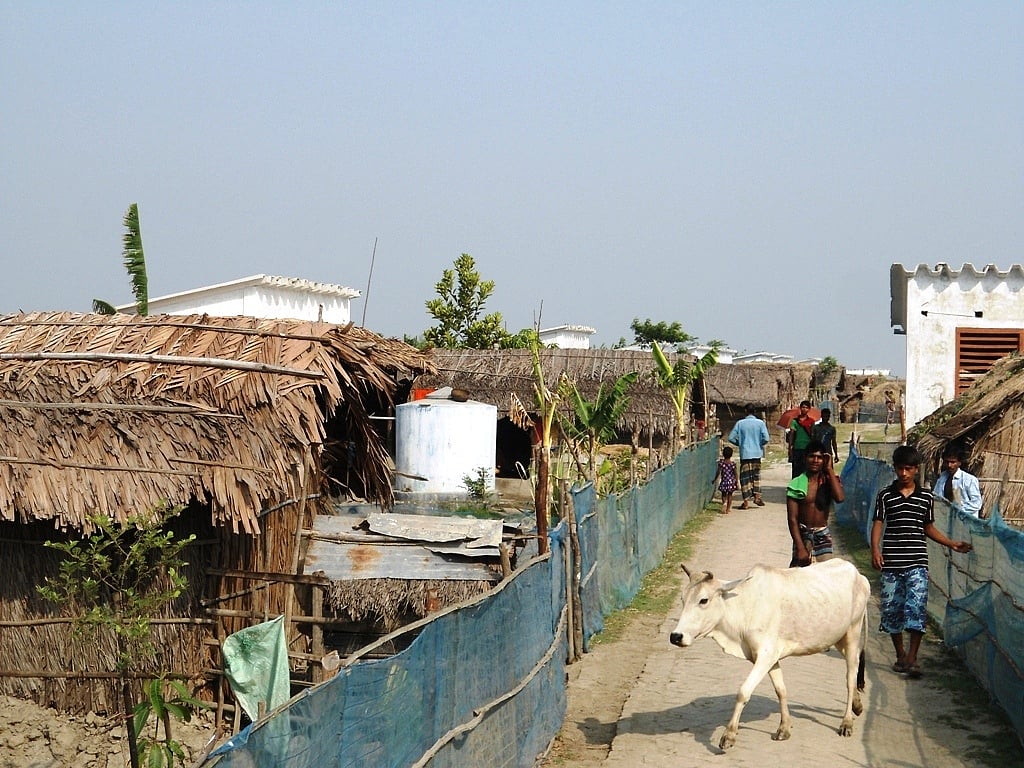
Now, the families have been rehabilitated in homes that would withstand winds up to 260 kmph and tidal waves six feet high. The structures are also saline-proof.

Bangladesh Housing and Building Research Institute designed this “resilient habitat” standing on stilts and with special corrugated sheets on the roof.


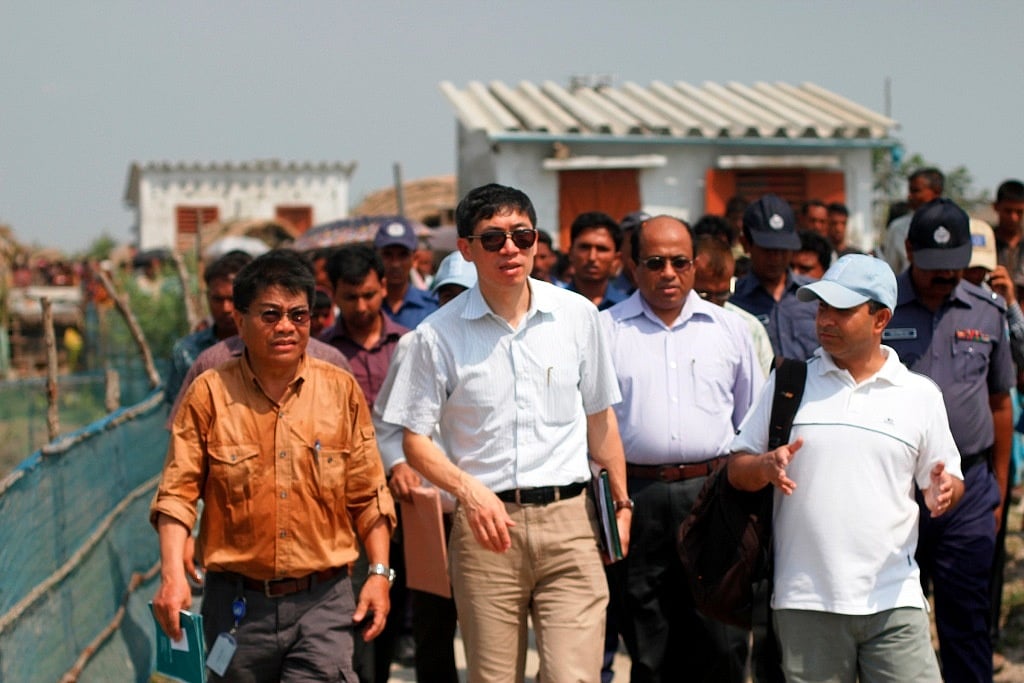
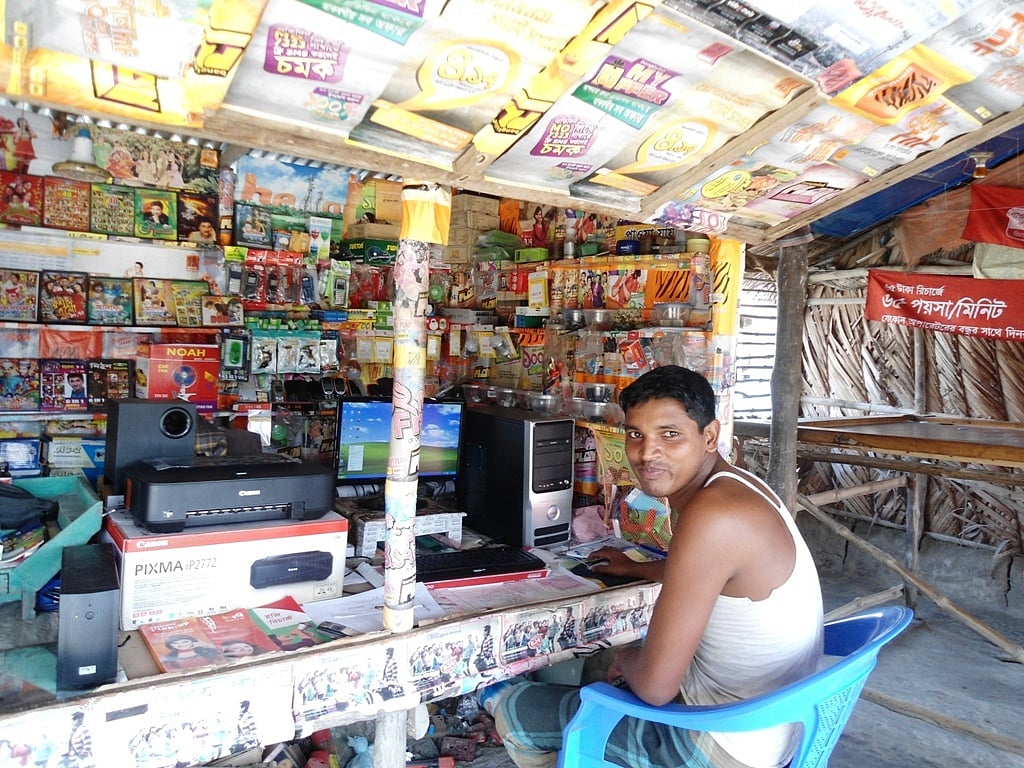
The 10 feet high and 15 feet wide house will act as a shelter home when nature strikes. UNDP assistant administrator for the Asia and the Pacific region Haoliang Xu, currently in Dhaka, visited the village on Monday. He told the families there the UNDP would always help the people through the government. The UNDP, along with other donors, supports the government’s Comprehensive Disaster Management Programme (CDMP) that built the new habitat. Mohammad Abdul Qayyum, national project director of the CDMP, told bdnews24.com that they created a village that can survive cyclones and provide sustainable livelihood. He said the inhabitants could extend the home around the main structure in whatever way they can. “The core structure would give them a permanent shelter in any disaster,” he said. Natural disasters are endemic to Bangladesh, causing a huge loss of life and damage to property worth millions of dollars. According to the Ministry of Food and Disaster Management, natural disasters have cost the country about $16 billion by way of property, livestock and poultry loss since 1971. But early warning systems, preparations and cyclone shelters helped reduce the loss of lives over the years. Global Assessment Report on Disaster Reduction report shows 1991 cyclone killed at least 138,866 people and caused losses to the tune of $ 1.7 million. But in 2007, during cyclone Sidr, the death toll had dropped to 4,234 with an economic loss of $ 2.3 million. Taking people to the distant cyclone shelters, while leaving their property behind, was always a challenge for volunteers. This new settlements have offered a new solution. “They will remain secured in their own home, with drinking water supply and proper sanitation system,” said Otin Dewan, a CDMP specialist, who accompanied the UN visitor. Every house has solar lights and rain water harvesting system, while a common sand-filtered pond water solves their drinking water problem. Each home has a sanitary latrine positioned in a place which would not be inundated during floods. As a result, people are now rebuilding their lives. Kamal Hossain Sardar, in his thirties, is running an electric shop inside this village under Sutarkhali union. He said his father had lost everything in a cyclone but were now getting back on their feet. “Most of my customers are mobile phone related,” he told bdnews24.com. His shop has a computer that runs on solar power and colourful festoons of various mobile companies. “People take ring tones and songs for their mobiles from this computer,” he said. The area is silted by salt due to frequent floods that also contaminated water bodies, making agriculture and fishing difficult. However, officials say they are thinking of producing saline-tolerant crops. Abur Rashid showed the roof of his home. The corrugated sheets were silted with salts during the Aila. He was one of the few families that did not get a new ‘resilient habitat’, as they were settled earlier at this place. Yet, Rashid is happy. “I can take shelter in my next home, if any disaster comes,” he told bdnews24.com. The project also rehabilitated about 145 families in such resilient homes in the adjacent Gazipara village.
Related Stories