


Published : 21 Aug 2021, 12:30 AM
Updated : 14 Oct 2022, 06:57 PM


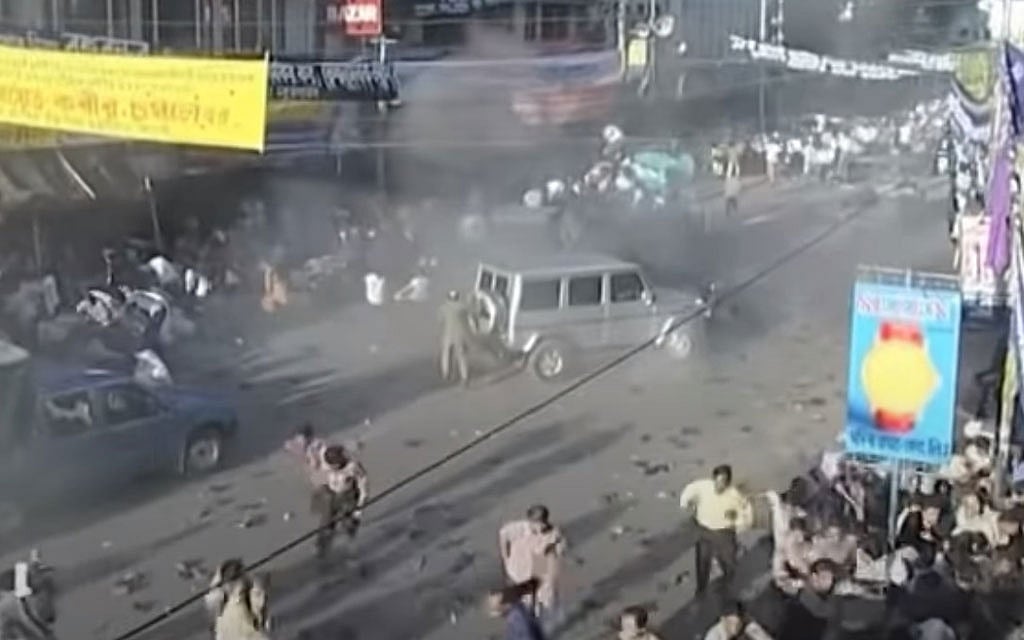
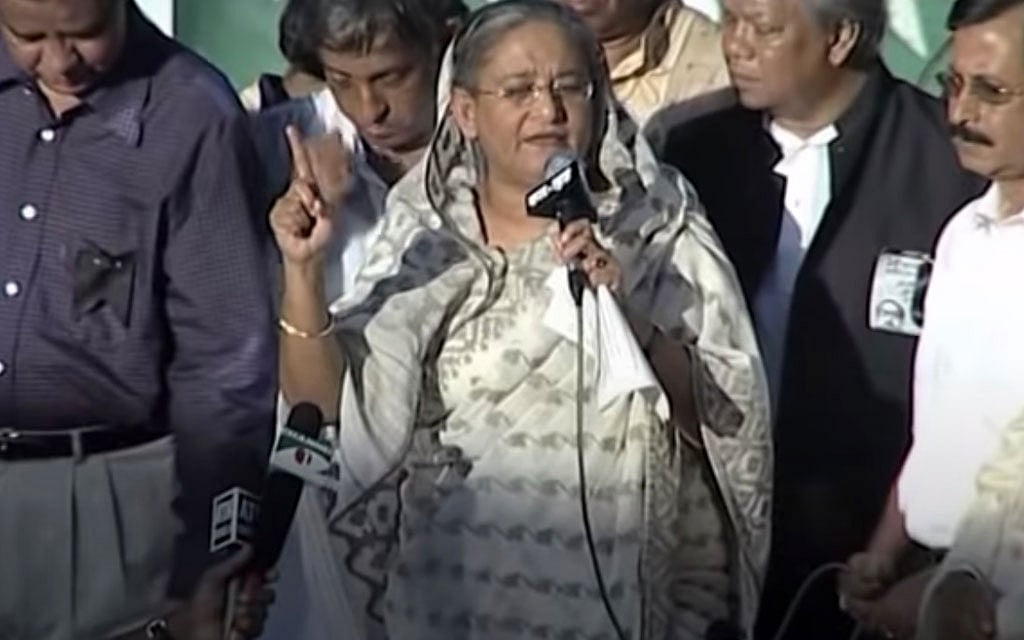
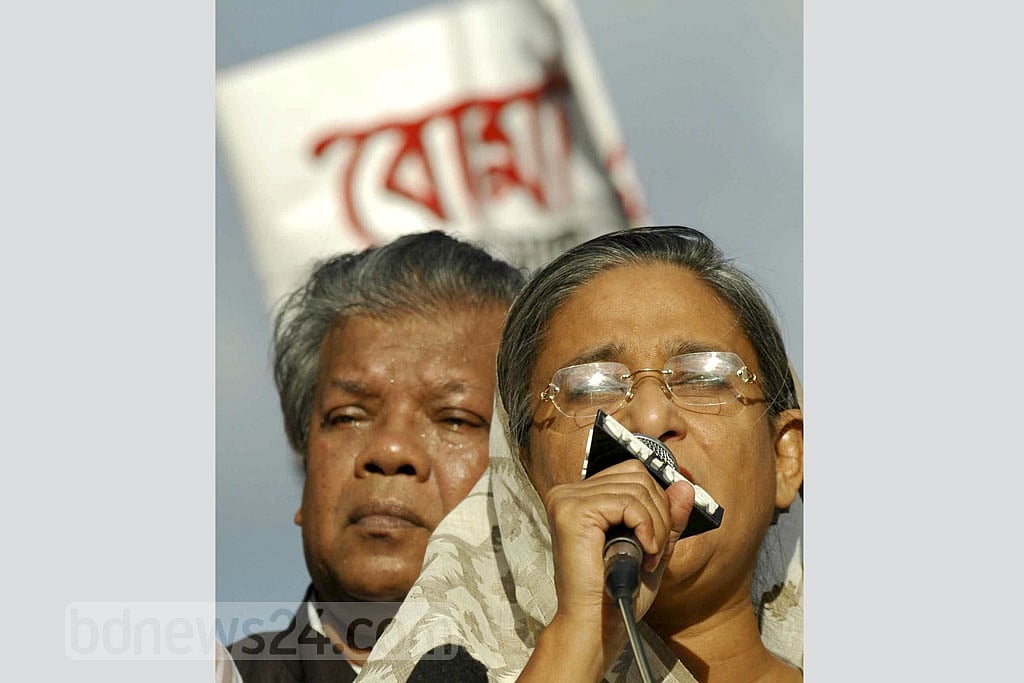
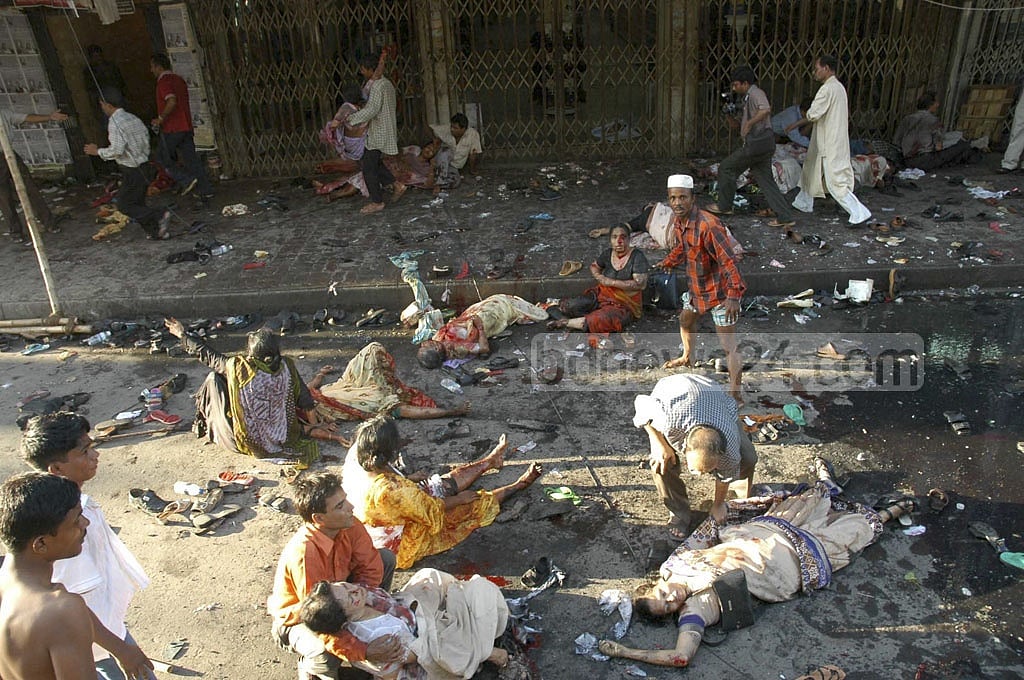


Then, the area tingling with anticipation and exhilaration, came the explosion - one after another. It was meant to be a dream, not a nightmare.
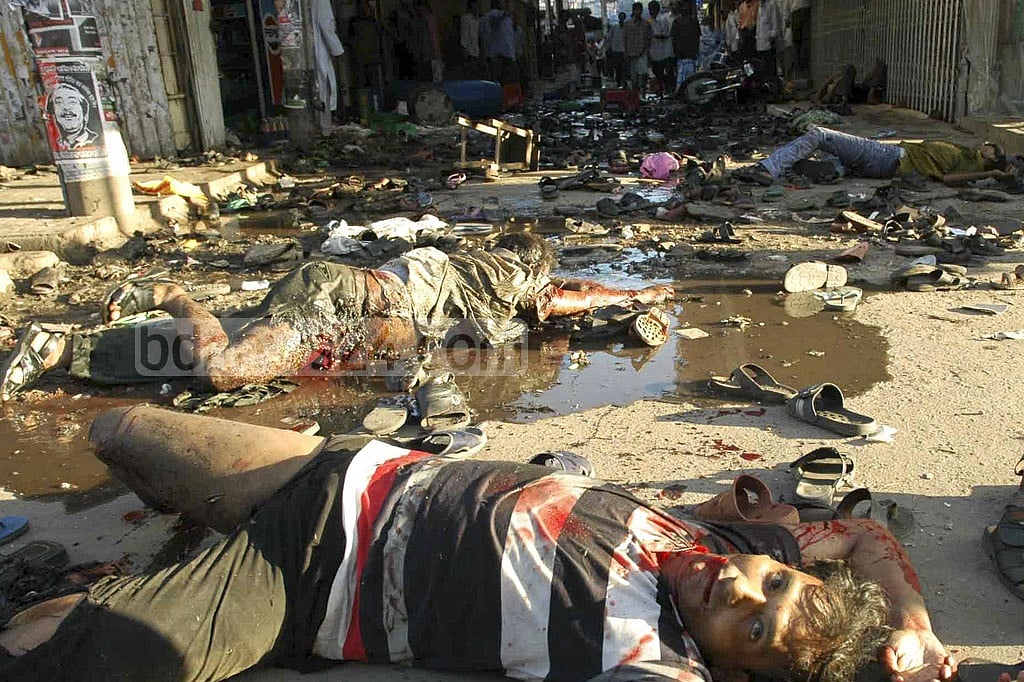
Terror rained down upon the gathered activists and press pack. It was an attempt on the life of party chief Sheikh Hasina. The scene of the carnage had mutilated corpses, injured screaming in pain and bloodied activists running around, blood and shoes splattered all over.
That dreadful day 17 years ago happened to be a Saturday in August, another dark day in the political history of Bangladesh. The grenade attack was the second biggest blow to the Awami League, the party that led Bangladesh in the Liberation War, with the biggest one being the assassination of Bangabandhu Sheikh Mujibur Rahman.
Prime Minister Hasina was the opposition leader that time, while the then prime minister of the BNP-Jamaat-e-Islami coalition government, Khaleda Zia, is now serving suspended sentences in corruption cases.
“The killers aimed to leave no leader in the Awami League and hinder the political process in Bangladesh in an effort to establish militancy and autocracy. But the people prevented that,” President Abdul Hamid said in a message commemorating the day. The attack left 24 people dead.
“The first attack on democracy in independent Bangladesh was on Aug 15, 1975. On that day, Father of the Nation Bangabandhu Sheikh Mujibur Rahman, the great architect of the independence of Bangladesh, was killed with his family,” the president said.
“On Nov 3, they killed the four national leaders inside jail. The killers never ceased to attack and tried to kill Bangabandhu’s daughter Awami League chief Sheikh Hasina in a grenade attack on Aug 21, 2004 during an Awami League rally.”
“Besides mutual respect and empathy, it is mandatory to have tolerance when we want to establish a meaningful democracy. I strongly believe that all political parties in Bangladesh will contribute to propel the democratic movement in the country.”
Hasina in her message accused the BNP-Jamaat alliance of “directly patronising” the attack. She said it was the moral obligation of a government to arrest the culprits involved with such a heinous attack. But, the then government “protected the killers and helped a number of attackers leave the country”.
“They destroyed the evidence of the incident and in the name of investigation, diverted the heinous incident to other direction. But truth can never be suppressed. Today, it has come out through investigation that many high-ups of the BNP-Jamaat alliance government were directly involved with the attack," said the prime minister.
After 14 years, a tribunal handed down the verdict in the grenade attack case in 2018, sentencing 19 people, including former state minister for home Lutfozzaman Babar and former deputy minister Abdus Salam Pintu, to death. The 19 accused who got life sentence included Khaleda’s son Tarique Rahman and aide Haris Chowdhury.
WHAT HAPPENED THAT DAY
Party leaders began delivering their speeches from the makeshift stage erected on the back of a truck at around 3pm on that day. Senior leaders took the stage after one more hour and Hasina arrived after another half an hour with the supporters waiting for her speech.
Hasina and other leaders stood behind a table, used as the podium, on the right-hand side of the truck as they spoke. The Awami League chief's bullet-proof Mercedes SUV stood within a few yards of the steps at the back of the truck.
Hasina was flanked by Mohammed Hanif and Mofazzal Hossain Chowdhury Maya, among other leaders, during her address.
Retired Squadron Leader Abdullah Al Mamun and retired Major Shoeb Md Tariqullah were in charge of her security.
Mamun sat beside the podium throughout the rally. Meanwhile, Shoeb stood on the bottom rung of the steps with retired Maj Gen Tarique Ahmed Siddique standing beside the car.
Mamun assumed Hasina was about to finish her speech and began to approach her. It was then that the first grenade was charged at the stage.
It was followed by three more explosions as smoke engulfed the entire area.
Hanif and Mamun rushed to Hasina's side in the immediate aftermath. Both Hanif and Mamun urged Hasina to sit down but she refused. At one point, they forced her to sit.
Three more grenades went off around the truck. Shoeb, who stood at the bottom step, barked out orders to evacuate Hasina to safety immediately.
A grenade then bounced off the back of the truck and exploded next to the vehicle as security personnel escorted Hasina to the steps. She was subsequently brought back on to the stage but the blast was believed to have cracked the truck's fuel tank to make matters worse.
In the meantime, the Awami League leaders, activists and security personnel formed a human shield around Hasina to protect her. Mamun, Hanif, Maya and Hasina’s cousin Nazibuddin Ahmed had all surrounded her.
Shoeb, however, warned everyone that the oil tank had leaked and that it would not be wise to stay there any longer as a fire could break out at any point.
Hasina's aides helped her get on feet but she had lost her shoes and glasses. Shoeb held her when they reached the middle of the steps before she was seated on the front seat of the car.
But Hasina did not want to leave the injured behind, according to the security personnel at the scene.
They had taken her to Sudha Sadan against her will as a heap of mutilated bodies laid scattered on the street between the truck and the Awami League office. The injured were left groaning in pain.
Meanwhile, Awami League leaders and activists struggled to send the injured to the hospital as Bangabandhu Avenue was made off-limits to transport after the explosion. They tried to carry the injured to Dhaka Medical College Hospital on rickshaws, auto-rickshaws and vans.
At least 16 people died at the scene. Ivy Rahman, president of Bangladesh Mohila Awami League, died after a 58-hour fight for her life. Hanif, the first elected mayor of unbifurcated Dhaka City Corporation, succumbed to his injuries after one and a half years. The death toll from the grisly attack eventually stood at 24. Many of the injured suffered permanent physical deformities as they were maimed. Hasina suffered hearing loss and was under treatment at home and abroad for many years.
Among the casualties were Rafiqul Islam, adviser to the party’s Dhaka Metropolitan unit, and retired Lance Corporal Mahbubur Rashid, a member of Hasina’s security team.
The other victims are: Awami League’s central sub-committee Deputy Secretary Mostak Ahmed Sentu, Women Awami League leaders Sufia Begum and Hasina Mamtaz, Madaripur Juba League leader Liton Munshi, Ratan Sikdar from Narayanganj, Dhaka Mohanagar Rickshaw Shramil League leader Md Hanif, Nazrul Islam College student Mamun Mridha, Juba League leaders Aminul Islam, Atik Sarkar and Shamsuddin Abul Kalam Azad, Swechhasebak League leader Razia Begum and activist Abdul Kuddus Patwari, Shramik League activists Nasir Uddin Sardar, Abul Kashem, Jahid Ali, Momin Ali and Ishaq Miyah.
TARGET: HASINA
Hasina narrowly escaped death in the attack, which was believed to be an attempt to assassinate her. Detectives said about 13 or 14 grenades had exploded at the scene.
At least seven bullets had hit Hasina's car along with splinters. The tyres were punctured too. The three-layered bullet-proof vehicle also had a significant role in saving Hasina's life that day, Awami League stalwart Saber Hossain Chowdhury told the reporters the next day.
Hasina's bodyguard 'Mahbub' was shot dead in the car. The attackers even shot at the tyres in a bid to stop the car.
Chauffer Mohammed Abdul Matin drove Hasina safely to Sudha Sadan in Dhanmondi through Doel Chattar, Shaheed Minar, Palashi, New Market and Pilkhana.
‘THEY SACRIFICED THEIR LIVES TO SAVE MINE’
Hasina shared her agony in an interview with the BBC the same day. “Our activists have saved my life by sacrificing theirs. They surrounded me while the grenades were exploding. Many of them were injured. My clothes are stained with their blood,” a tearful Hasina recounted.
“Terrorism is rampant across the country and it is being patronised by the government. Our rally was a protest against terrorism, which they (assailants) responded with grenades. The attackers targeted the spot I would go through to get in the car after finishing my address. There were eight to 10 grenades going off one after another. One or two of them can still be found undetonated. Many of our activists, including women, were killed. Almost all of the presidium members were injured.”
As members of her party sought to rescue the injured, help from the authorities were not forthcoming. Instead, police charged baton and fired tear gas at them, Hasina told the BBC.
“It was clear that police were acting on instructions from the government,” she said.
DIVERTING THE COURSE OF PROBE
The state has alleged that the then top leaders of the BNP-Jamaat alliance backed the attack, purportedly carried out by militant group Harkat-ul Jihad-al-Islam or HuJI to render the Awami League leaderless by taking out its chief Hasina. The Arges grenades used in the attack were brought from Pakistan.
The Awami League alleged that there were attempts during the BNP-Jamaat government to divert the course of the investigation into the killings, culminating in the Joj Mia facade.
The “truth” about the attack started to come out following a reinvestigation during the term of the military-backed caretaker government. The Criminal Investigation Department or CID pressed charges in court on Jun 11, 2008.
The names of some 30 others, including Tarique, were added to the list of suspects following wider investigations after the Awami League came to power in 2009.
The BNP denied any links to the attack. It instead alleged the government had Tarique charged in the cases to make political gains. He has been in the UK since 2008.
Besides Tarique, Babar, Harris and Pintu, HuJI leader Mawlana Tajuddin, Khaleda’s nephew Saiful Islam Duke, and several top officials of the National Security Intelligence or NSI and police were accused in two cases - one over the deaths during the attack and the other under the Explosives Act.
Three other accused, former minister and Jamaat secretary-general Ali Ahsan Mohammad Mujahid and HuJI leaders Mufti Abdul Hannan and Sharif Shahedul Alam alias Bipul have been hanged in other cases.













