Published : 21 Oct 2026, 08:44 PM
Updated : 21 Oct 2026, 08:44 PM


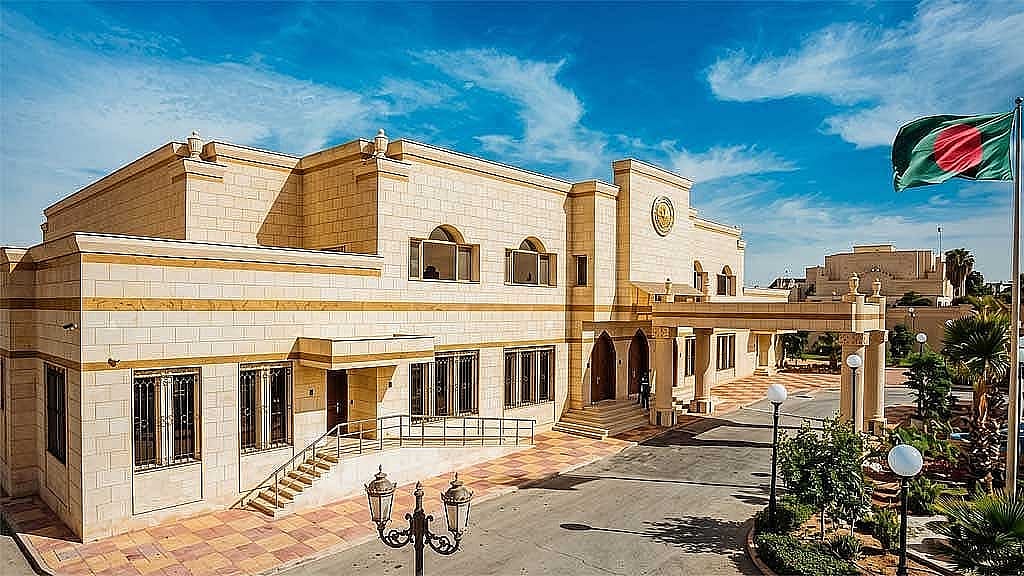
The two Bangladeshis executed in Makkah had been held on separate charges, one over alleged cybercrime and the other adultery, according to a letter from Bangladesh Consulate General in Jeddah.
The consulate’s Labour Welfare Wing said in a letter dated Oct 18 to the expatriates’ welfare ministry secretary in Dhaka that the man was arrested on Aug 1, 2023, and held at Jeddah Correctional Facility.
The woman was arrested the following day and detained at Jeddah Women’s Prison.
Both worked as cleaners for Al Majal Company. One was from Brahmanbaria and the other from Tangail.
The wing said it had no record of any Bangladeshi previously receiving the death penalty for such allegations.
Saudi authorities executed the pair over alleged “immoral acts” at a mosque in Makkah, but did not provide the mission with details, the letter said.
Before the executions, the consulate had sought information about Bangladeshis detained in western Saudi Arabia.
Authorities supplied a list on Sept 30. The two Bangladeshis appeared on it, but no sentences were recorded against their names.
Column seven was meant to contain brief details of sentences handed down to prisoners. Neither entry contained such information.
Although the consulate described separate allegations against the pair, a Saudi interior ministry statement reported by local media said they had been executed for “engaging in immoral acts”.
The list showed 306 Bangladeshis detained in western Saudi Arabia in cases involving alleged moral offences.
The wing said it had found no evidence of any Bangladeshi previously being sentenced to death in such cases.
Saudi authorities announced the executions on Oct 14. Bangladesh’s mission said it had received no prior notification.
On Oct 15, the Jeddah consulate wrote to Saudi authorities seeking details.
A consular official said no notification, diplomatic note or other information about the trials or executions had been sent.
On Oct 17, State Minister on Foreign Affairs Shama Obaed Islam told reporters: “We have not yet received any official information. We have written to obtain details about what actually happened, their backgrounds and when they went to work there.
“We know their names. But we need to know how long they had been working there, who their employers were and the circumstances of the case.”
Shama described the executions as unfortunate and pointed to the strictness of Saudi law.
On Oct 18, the government met Saudi Ambassador Abdullah bin Zafar H bin Abiyah in Dhaka.
A senior foreign ministry official said the ambassador was handed a copy of the note verbale previously sent to Riyadh.
The consulate said it would send a detailed report after receiving copies of the verdicts.
Of the 306 Bangladeshis detained in western Saudi Arabia for alleged moral offences, 147 had been sentenced to prison terms ranging from one month to 15 years, the letter said.
In three separate cybercrime cases in Makkah, Bangladeshis had received sentences of six months to five years.
The letter also outlined limits on the consulate’s ability to assist defendants.
Interpreters at Saudi criminal court hearings are provided through an institution called Markaz al-Tarjamah al-Muwahhid, leaving the mission no opportunity to provide its own interpreter.
Families of Bangladeshis arrested for offences carrying the death penalty generally seek legal assistance through diplomatic missions or the expatriates’ welfare ministry.
Neither family had made such a request or contacted the mission. Saudi authorities had not communicated the verdicts or executions, formally or informally.
Golam Moshi, a former Bangladesh ambassador to Saudi Arabia, said it was astonishing that the mission had not known about proceedings leading to capital punishment.
“I was very surprised. This was such a serious case, and the decision was not made in a day. The process continued over a period,” he said.
“If it happened over time, it should certainly have been known. How could it have remained outside their knowledge? That is not possible. During my time, the mission kept track of such cases.”
Tasneem Siddiqui, executive director of the Refugee and Migratory Movements Research Unit, said the mission could not avoid responsibility by saying it had not been notified.
“Knowing is my responsibility; it is part of my job, isn’t it?” she said. “These matters need much closer monitoring and much greater awareness.”