Published : 02 Dec 2015, 04:34 PM
Updated : 19 Oct 2022, 07:04 PM


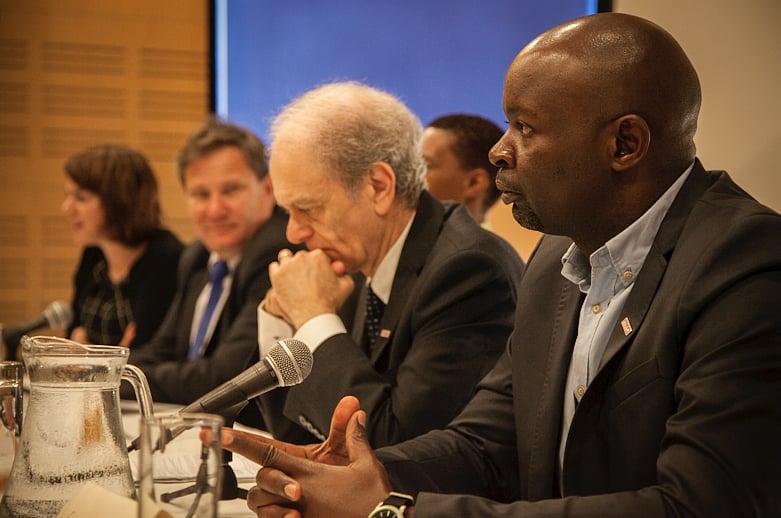
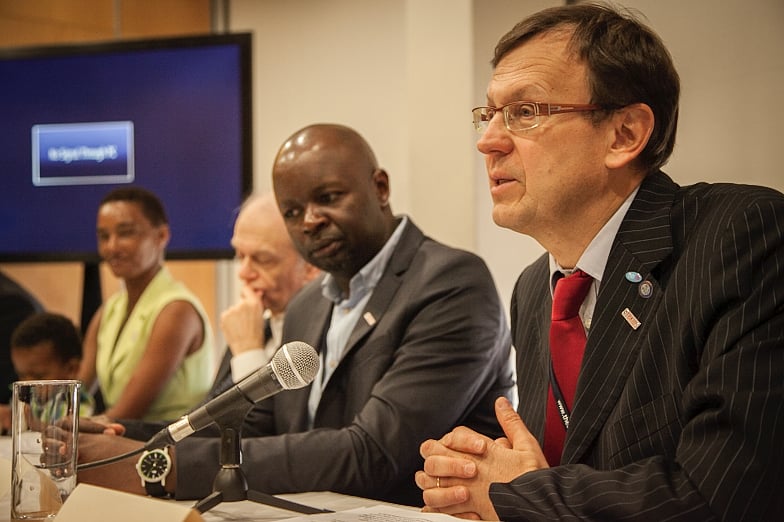
“It’s a historic event of announcing for the first time ever the availability of fixed dose medicine for children with TB,” Mario Raviglione, director of WHO’s Global TB Programme, said at a press briefing here.
“It’s a new ammunition (in child TB treatment). We expect every government respond to it,” he said on the first day of the 46th Union World Conference on Lung Health on Wednesday.
The new medicines are fixed dose combinations (FDCs) of the three most commonly used drugs to treat TB – rifampicin, isoniazid and pyrazinamide.
Children need different doses of TB medicines than adults, and for that, parents and care providers to approximate the correct dose for a child must crush or chop available drugs, and piece together the treatment regimen.
Splitting TB pills, which gives the medication a bitter taste and usually results in imprecise dosing, makes the treatment even more difficult for children and their families.
This can also make treatment less effective, leading to poor health outcomes and the development of more difficult to treat drug-resistant TB in children.
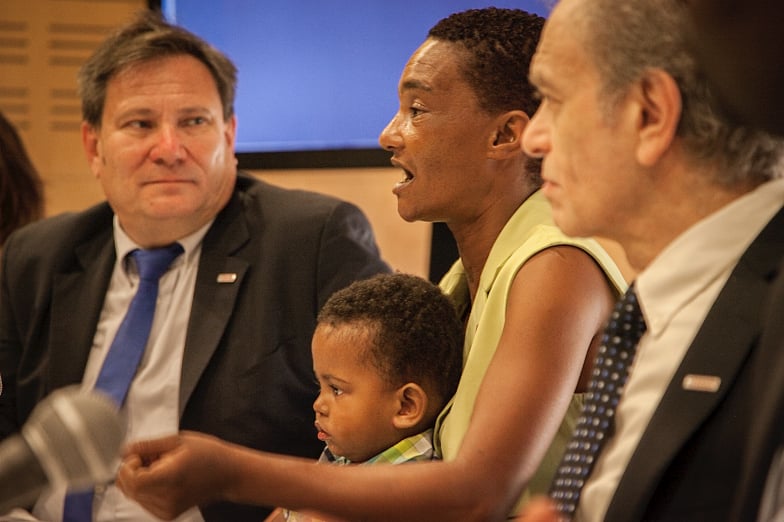
“TB is already such a long struggle for families, with these new simpler medicines, at least the treatment doesn’t have to be such an ordeal anymore,” said Monique Davids, a mother of two children having TB, at the press briefing.
She said her children were “so sick that it was so difficult to give them the medication that I began to lose hope”.
The new medicine can be fed easily by dissolving in water.
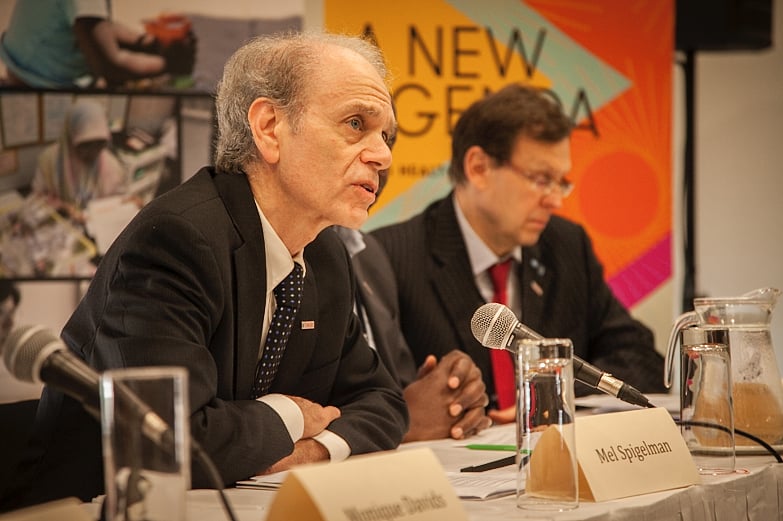
Mel Spigelman, President and CEO of TB Alliance, an international non-profit organisation, said the availability of this “correctly dosed” medication would improve treatment for children everywhere.
He said they were working with WHO, Unicef and other partners to encourage uptake in countries with high TB burdens and to reach children affected by TB at all levels.
Childhood TB detection has long been neglected in Bangladesh as in many countries in the world.
Bangladesh has recently been able to increase the detection rate with special programmes at around 3 percent, which is still far below WHO’s estimated level.
TB drugs are being distributed by the government in a directly observed treatment, short-course, (DOTS) method, a way to ensure patients adhere to drugs for the long six-months regime.
Replying to questions, Grzemska said they were also working on revising the strategy to increase child TB detection in Bangladesh.
WHO revised its guidelines for childhood TB treatment in 2010, recognising that children need higher doses of the medicines than what they were receiving.
Lacking incentives and clear market information, companies, however, did not produce any products conforming to the new guidelines.
Over the past three years, TB Alliance has worked with manufacturers to develop properly-formulated TB medicines that are easier to administer in children.
“No child should die of TB, yet for too long, we have not had the medicines or the functioning market needed to mount a sustainable response against childhood TB,” said Lelio Marmora, Executive Director of UNITAID.
“UNITAID’s investment in addressing this problem will increase access to correctly dosed, quality-assured, affordable TB medicines for children that will help save lives,” Marmora said.
This new drug will also help achieve the end TB target by 2030 as pledged by countries in the new sustainable development goals.
“If we are to end the TB epidemic by 2030, we must bring children with TB out of the shadows and ensure they are properly diagnosed, treated and cured,” WHO expert Raviglione said.