


Published : 15 May 2014, 12:20 AM
Updated : 08 Aug 2022, 06:46 PM


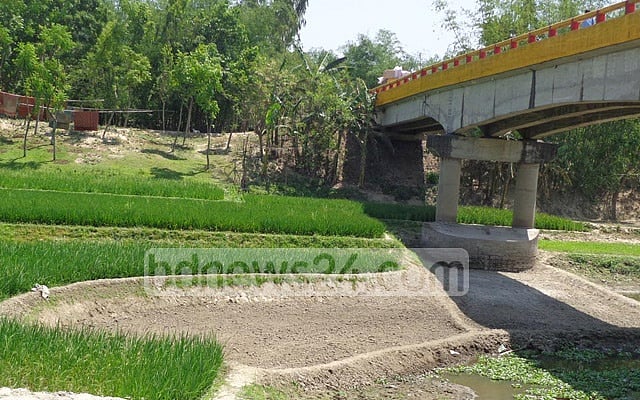
Thousands of acres of arable land along the 15 rivers are facing acute shortage of water. Farmers have set up deep and shallow tube-wells for irrigation.
Some parts of the river beds have been turned into playgrounds.
All the rivers in Dinajpur, including Punarbhaba, Atrai, Gorbheswari, Dhepa, Tulai, Ichhamoti, Kaakra, Chhoto Jamuna, have their origin in India, said Water Development Board (WDB) Executive Engineer Anowar Hossain.
“India controls the water flow in these rivers causing the rivers to dry up,” he told bdnews24.com.
Hossain said shallow navigability and the lack of rain also contributed to the rivers’ death.
Another WDB official said water flew in Punarbhaba and Atrai all the year round in the past.
“But the water level in the two rivers has been at a record low from January to April in the past two years,” he said but declined to be named as he was not authorised to brief the media.
Bangladesh-India negotiations are going on over the flow of trans-border rivers. Strident opposition by West Bengal Chief Minister Mamata Banerjee has forced India to hold back, although it appears keen to sign a water-sharing treaty for Teesta River.







