


Published : 11 Apr 2018, 12:22 AM
Updated : 19 Oct 2022, 02:10 PM


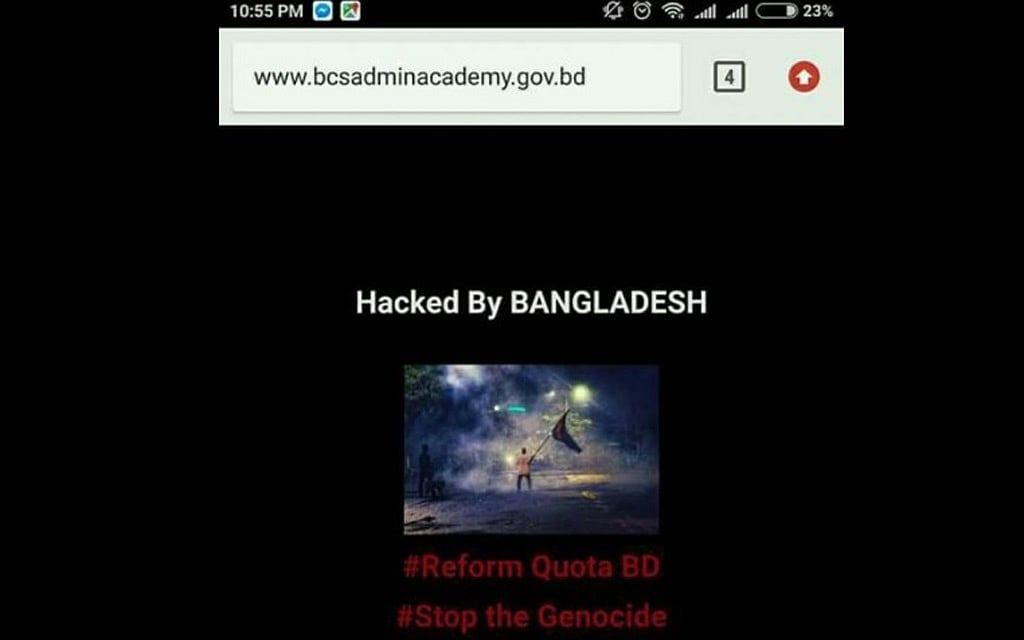
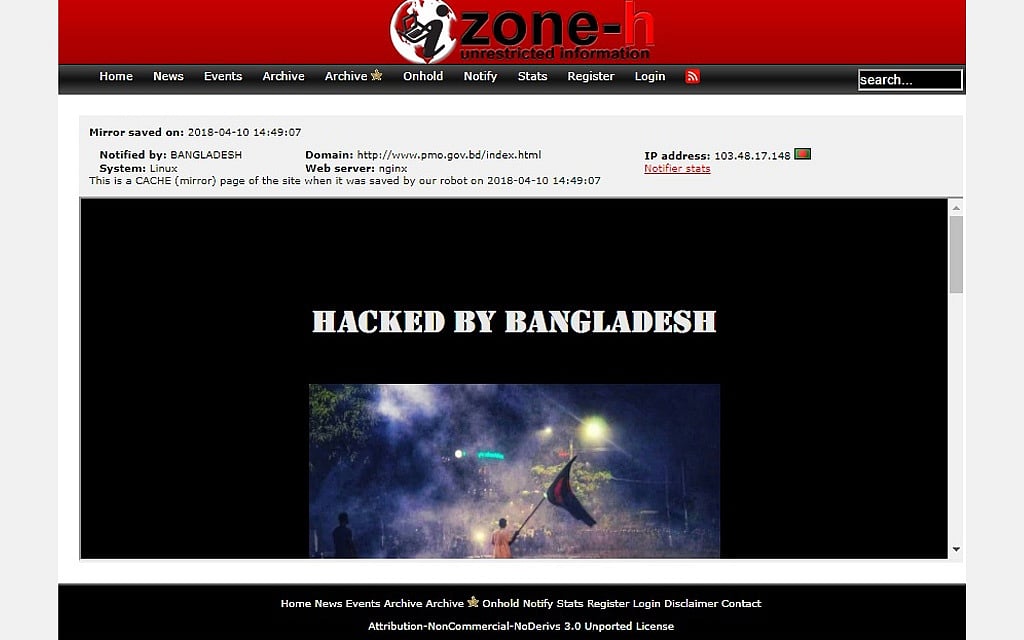
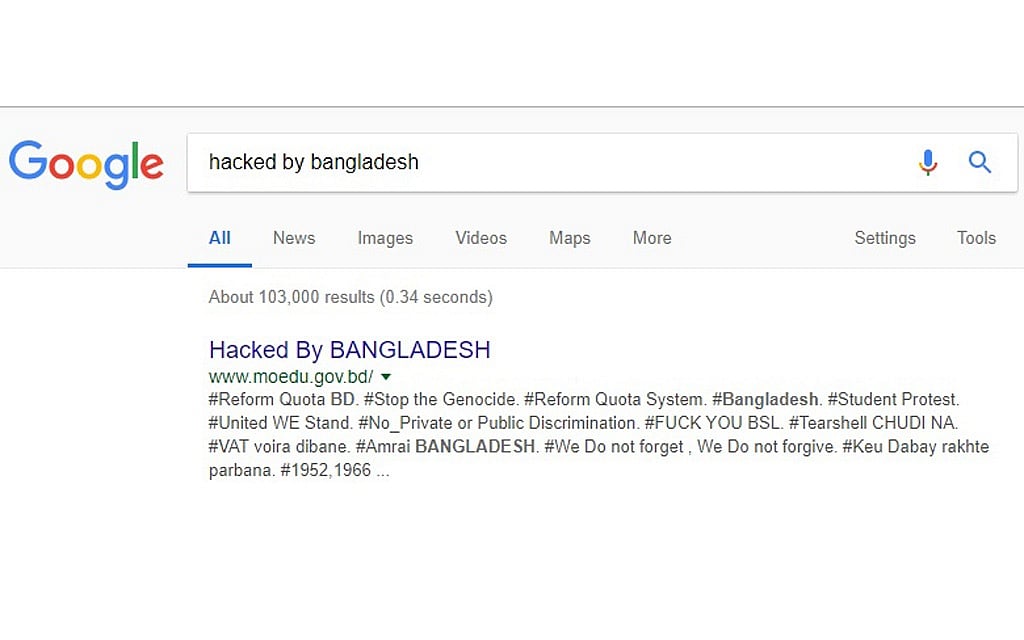
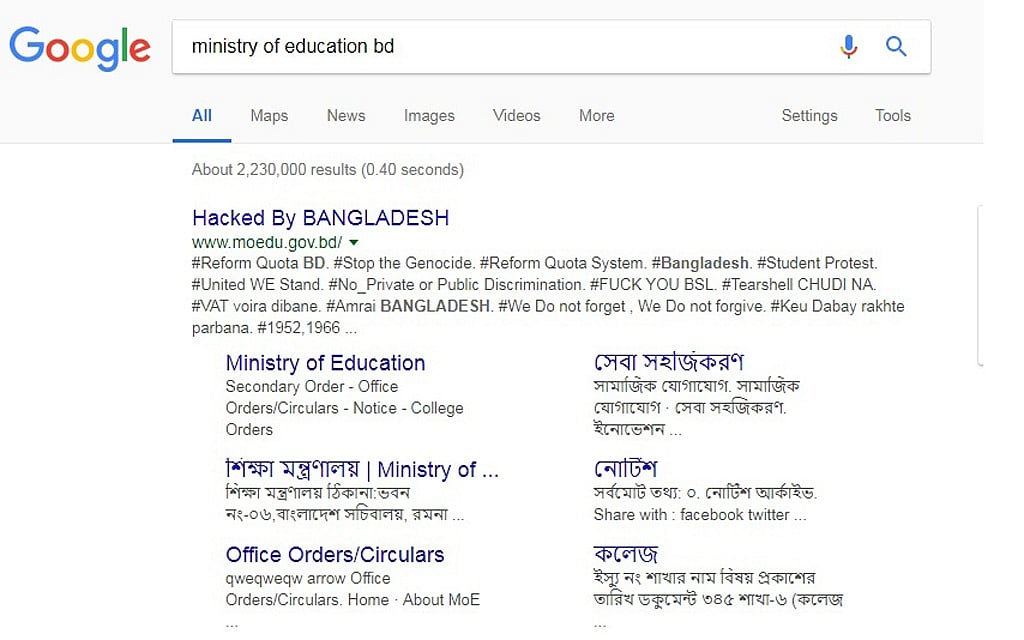
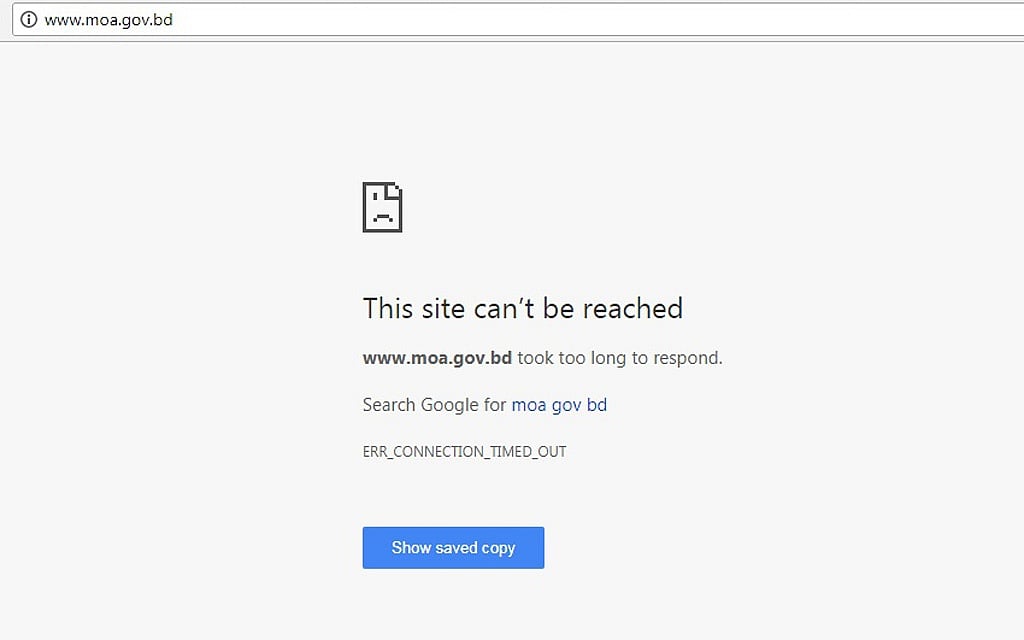
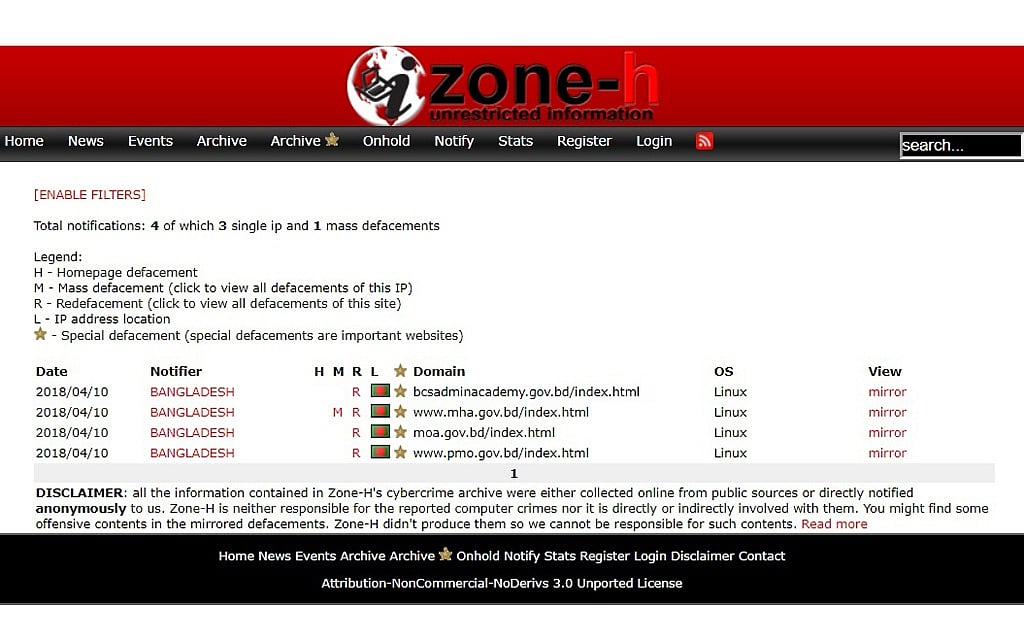
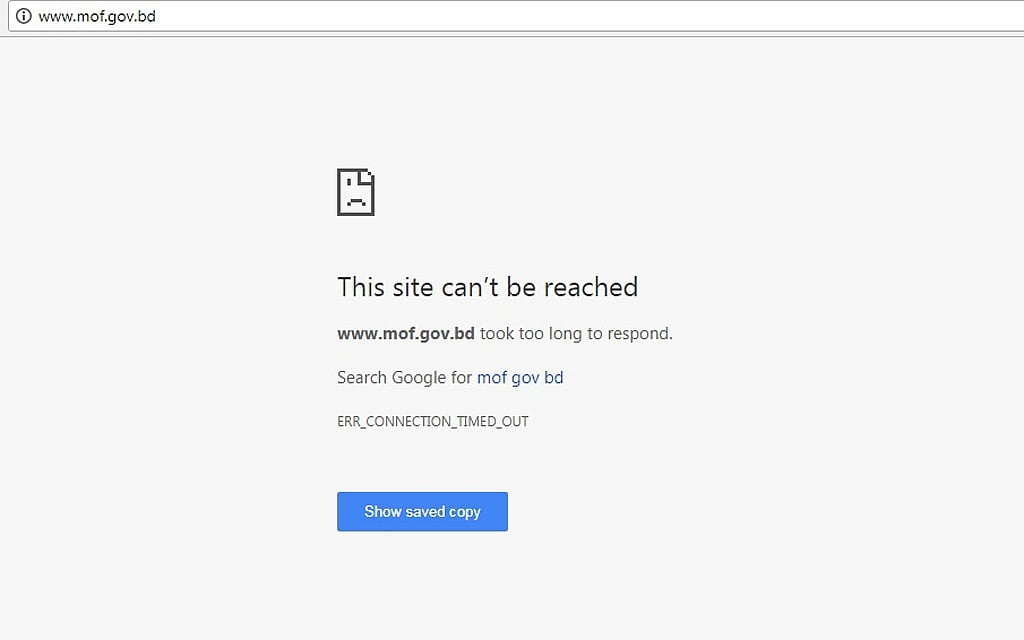
State Minister for ICT Zunaid Ahmed Palak told bdnews24.com at midnight on Tuesday that five government websites have been hacked.
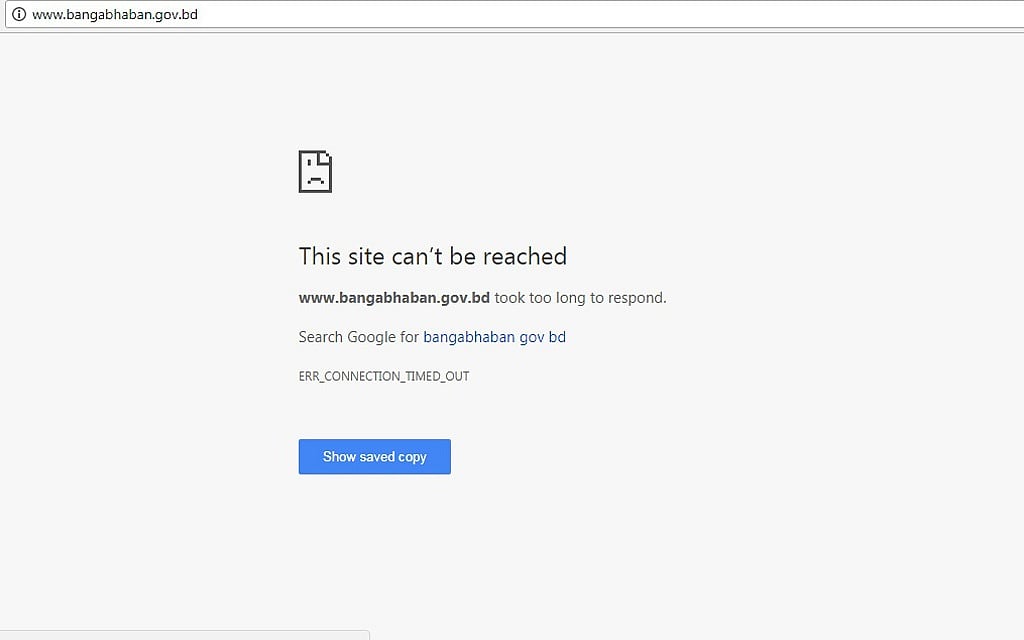
The website of the Prime Minister's Office, among others, was taken down at midnight Tuesday.
“Some group did this planned this,” he had said, “We are trying to retrieve these sites.”
The web sites were operating as normal on Wednesday morning.
Palak also said there have been attempts to hack the National Portal for quite a few days.
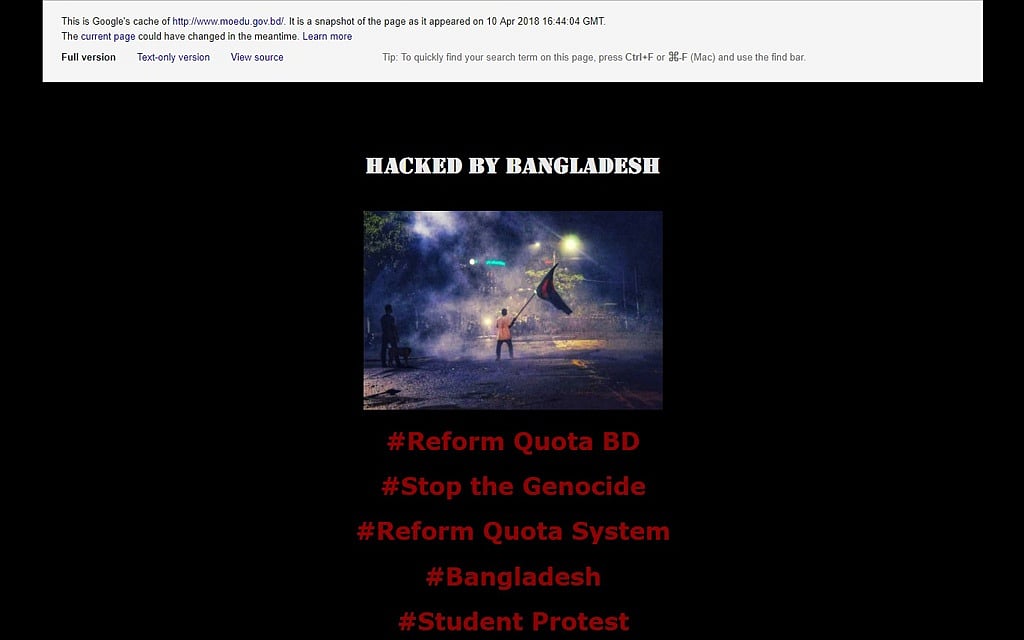
Google search result for the education ministry on Tuesday midnight showed ‘Hacked by Bangladesh’.
A cache of the page showed a message demanding reforms to the quota system in government jobs.
This comes amid protests by students and jobseekers for quota reform.
A video posted on Facebook showed the moments when the website of Survey of Bangladesh department was taken down by the hackers.
The hackers launched the cyberattack around 11pm.
The affected sites were still down after midnight, but the message was removed.
According to ‘Zone-H’, an archive of hacked websites, four Bangladesh government websites were attacked.
The protesters fought running battles with police and the ruling Awami League’s student affiliate Bangladesh Chhatra League on the Dhaka University campus overnight after being chased away from the busy Shahbagh intersection on Sunday evening. Clashes also took place in other universities as the protests spread.
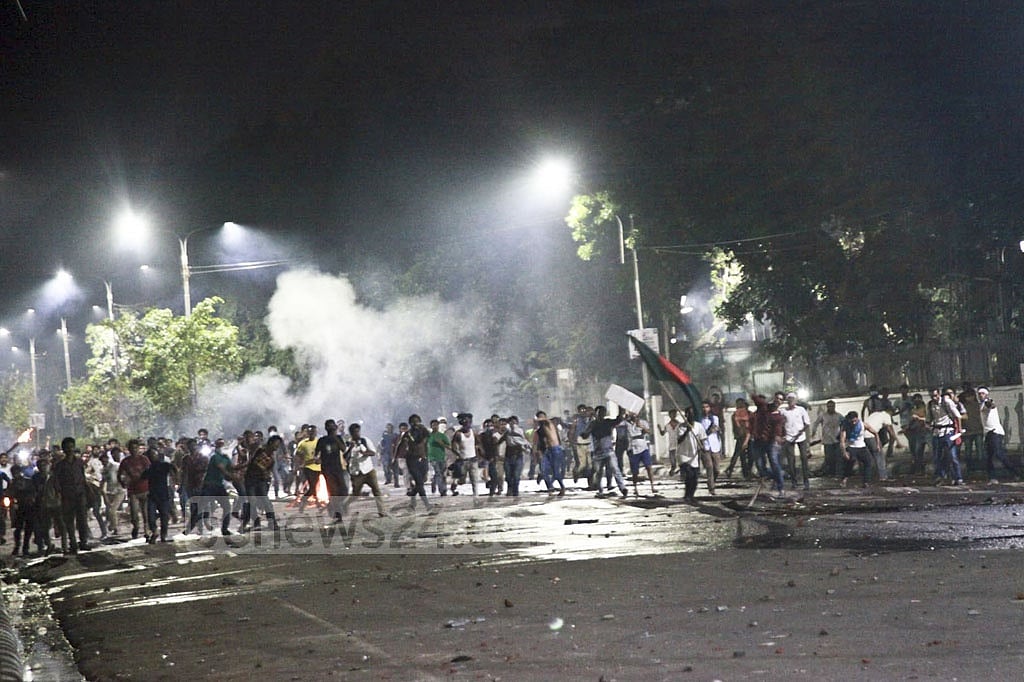
But hours before the cyberattack on Tuesday, they said they would press on with the demonstrations when many of them did not agree with the decision to halt the programmes.













