


Published : 20 Feb 2016, 01:03 AM
Updated : 19 Oct 2022, 05:07 PM


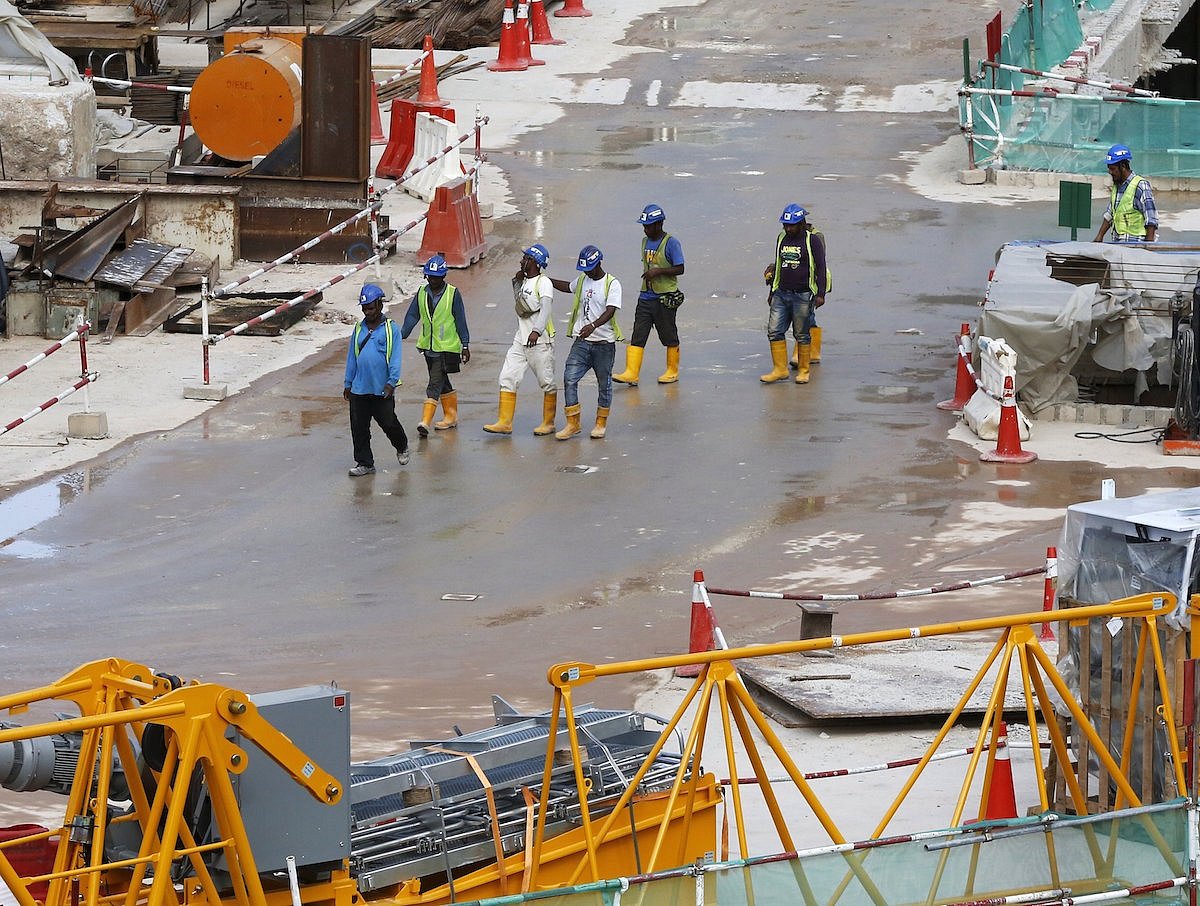
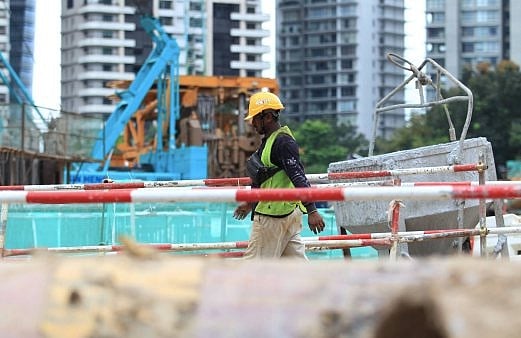
But the overseas employment ministry has advised job seekers in Malaysia not to worry since Dhaka has not received any official communication from Kuala Lumpur.
Media reports on Friday said Malaysia will not be hiring foreign workers from any source countries, including Bangladesh, until it ascertains its actual manpower needs.
It would instead focus on its programme for rehiring foreign workers, Malaysian Deputy Prime Minister Datuk Seri Dr Ahmad Zahid Hamidi said in Sarawak state on Friday.
"Foreign workers without valid documents or those who have overstayed in the country will be arrested and sent back to their country of origin," Hamidi, also the home minister, said.
The MoU was aimed at opening up jobs in service, construction, farming, plantation and manufacturing sectors.
“This agreement at the ministerial level is a major document. We have not received any information about liquidation of the process it entails,” Javed Ahmed, additional secretary in the Expatriate Welfare and Overseas Employment Ministry told bdnews24.com.
“The agreement is all right. We should not worry about that has appeared in the Malaysian media or what their deputy prime minister has said,” he said.
Neither the Malaysian government nor the Bangladesh’s Ambassador and Labour Counsellor there have informed anything in this regard to Dhaka, he said.
Malaysia had earlier stopped hiring foreign workers. After a long pause, it resumed hiring manpower from Bangladesh in 2013 only on a government-to-government basis.
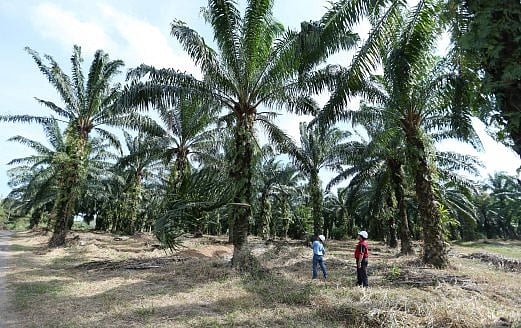
People were hired to work in plantation under this arrangement.
According to Hamidi, the Malaysian government will now review the revised two-category levy which applied to foreign workers employed in plantation and agriculture sectors.
This indicates Malaysia could be out of bounds for job seekers from Bangladesh.
Hamidi also pledged to strengthen law enforcement to stop further entry of foreigners.
He said the government hoped that locals, especially young Malaysians, would respond to its call to take up the jobs now held by outsiders.
However, Malaysian Employers’ Federation (MEF) said the unexpected decision to suspend the recruitment of foreign workers could pose problems for firms that have already obtained approvals for such hires.
MEF executive director Datuk Shamsuddin Bardan said companies that are in the middle of the recruitment process would stand to lose out if the freeze meant that their new recruits would have to be sent back.
“The freeze needs to be clearly stated on whether it is meant for future hires or for firms that are already in the midst of the recruitment process.
“If it affects the current process, then it is going to cause a problem. This is my worry because the repercussion can be bad for companies who rely heavily on foreign workers… like the 3D industries (dangerous, dirty and difficult),” he told Malay Mail Online.
The Federation of Malaysian Manufacturers has urged the government to review the decision.
In a statement on Friday, the federation representing the views and interests of more than 2,600 manufacturers said the government should provide full details to employers on the intake freeze.
The federation also sought a review of the two-tier levy programme, and said employer associations had met the Home Ministry on Feb 16. The ministry, it said, gave them 10 working days to revert with their collective counter proposal acceptable to the business community.
The Sarawak Oil Palm Plantation Owners Association and Palm Oil Refiners Association of Malaysia too aired similar concerns.
They said the ‘abrupt’ policy change is bound to have an effect on the palm oil industry, which is already experiencing a dire shortage of workers.
Malaysian Rubber Glove Manufacturers Association president Denis Low Jau Foo said while the freeze on the intake of 1.5 million Bangladeshis was understandable, a total freeze on all foreign workers should be given another thought.













