


Published : 18 Mar 2016, 10:19 PM
Updated : 19 Oct 2022, 05:10 PM



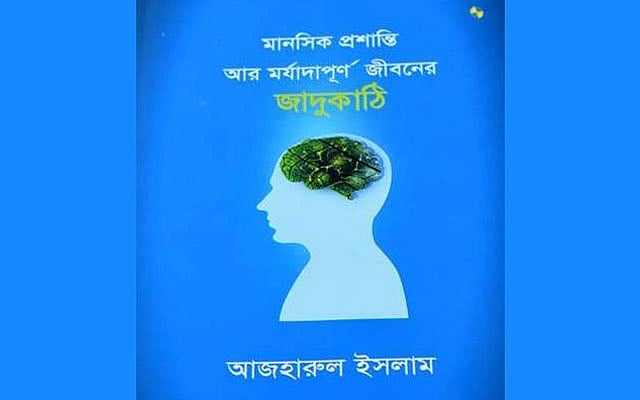
Writer Azharul Islam, who is a teacher of Dhaka University’s educational and counselling psychology department, says he targets the lay people -- mostly youths -- who suffer due to lack of knowledge in mental health.
The book titled ‘Manasik Prashani ar Marzadapurna Jibaner Zadukathi’ (Magic wand for mental peace and dignified life) was on sale at the International Conference on Psychology on Friday in Dhaka.
Islam told bdnews24.com that he wrote the book to help the youth and raise general awareness on mental health.
A recent Icddr,b review suggests that mental disorders in Bangladesh are a “very serious, but overlooked problem”.
Better data, awareness and more mental health practitioners are needed to address the unmet needs for mental health care, according to the review.
Islam said they found a “growing trend” among the Dhaka-based educated people to come to the psychologist for their mental health problems.
“But this is quite different in rural areas. We cannot ensure services for them. They lack knowledge. They ignore the problem. They go to traditional healers first with their problems,” he said.
“They (rural people) come to us (psychologists) mostly when the situation takes a bad turn.”
Famed psychologist Dr Mehtab Khanam wrote the preamble of the book and commented that properly reading this book can help bring “positive changes” in one’s life.
The writer identified 13 different thinking patterns in youths that he believed hindered their progress.
“If one can follow at least 20 percent of the techniques I have presented in the book, they will see visible change in their life,” he said.
In the Facebook page ‘Zadukathi’, one commented: “I have bought the book and read all the chapters. I think this book can help people get positive vibes and motivation towards life. Having read this book, I can identify my problems and am now trying to rectify them.”
The book ends with a chapter informing where people can get mental health services.













