


Published : 02 May 2020, 05:15 AM
Updated : 17 Oct 2022, 11:06 AM


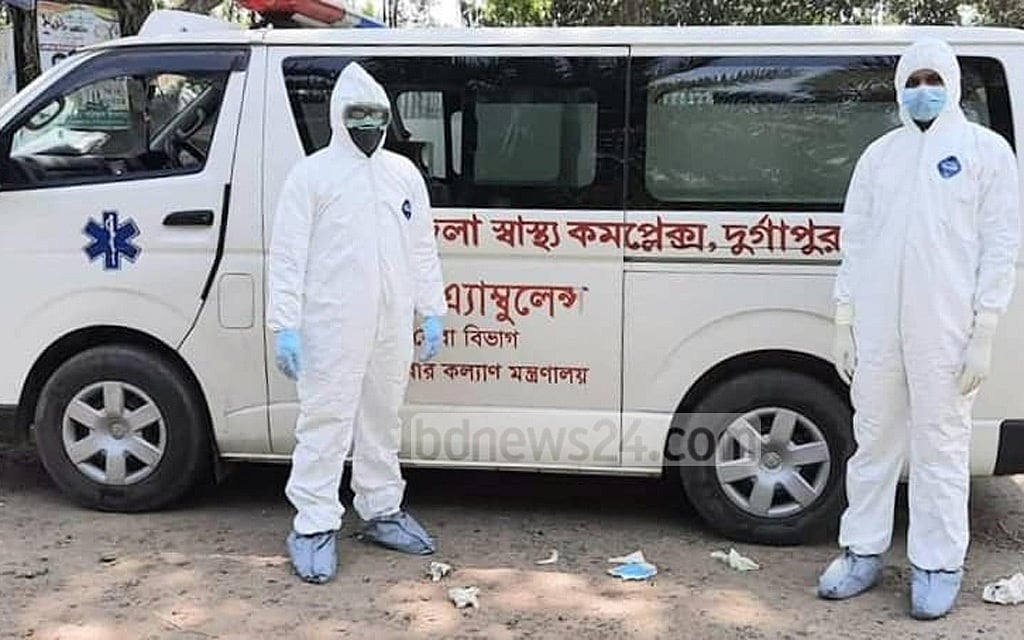
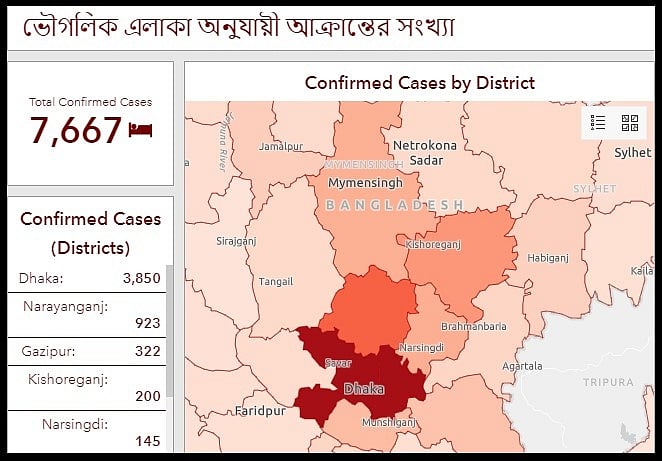
On Apr 30, the Upazila with a population of over 185,000 reported the first case - a traveller from a virus hotspot with record number of patients only behind Dhaka.
It happened amid a nationwide lockdown with offices, educational institutions, workplaces closed and transport system shut down – restrictions imposed over a month ago. The man came from Narayanganj which was on “complete lockdown”.
The same thing happened to many other regions where the coronavirus spread from Dhaka, Narayanganj and Gazipur, the three districts that have most coronavirus patients.
In Cox’s Bazar and Shariatpur, the patients include the returnees from the most affected districts and their close contacts.
Why the lockdown hasn’t work?
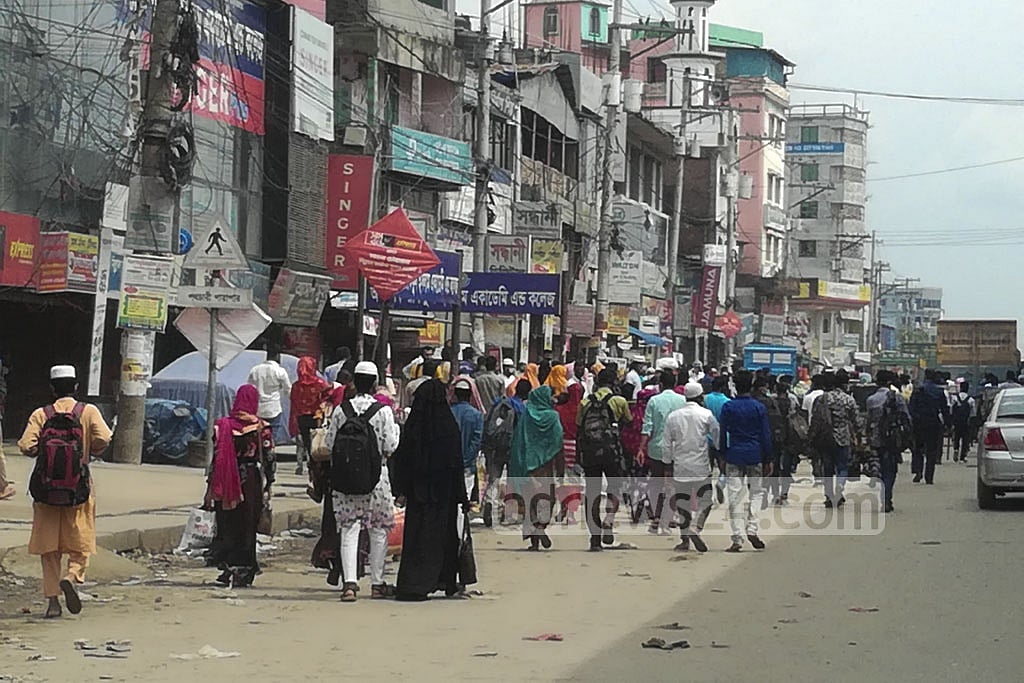
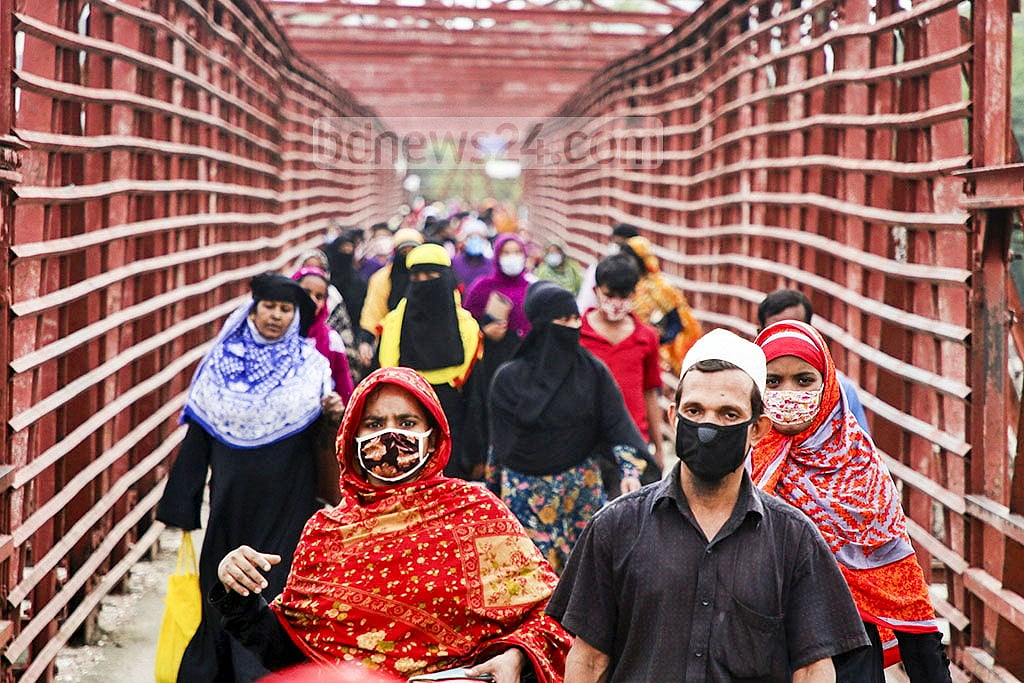
The law enforcers, who are struggling to keep people at home or ensuring that they maintain physical distancing while outdoors, say the people are fooling them by travelling from one district to another by mostly vehicles that transport goods.
“Up to 6,000 trucks are entering and leaving the district daily. How can we stop if people travel by these vehicles,” Narayanganj Superintendent of Police Zayedul Alam told bdnews24.com, sounding resigned.
He said hundreds of thousands of workers travel from and to the city as 600 factories, mostly of food, have remained open as emergency services.
“And it has at least 50 points through which people can sneak through. We are guarding 22 key points and sending people back from them,” the SP said.
Narayanganj is also port a city, not only an industrial hub, he pointed out and so, he added, it is “almost impossible” to guard the river banks.
Dhaka SP Maruf Hossain Sarder said many people come up with such excuses that police cannot turn them away.
“We are taking legal action, but people are deceiving us as well,” he said.
A police officer who works at Gabtoli, a key access to Dhaka, said people get off vehicles and get on again after walking past the check post.
“We stop some, but how can we stop them all?” he asked.
The risk has now increased after the garment factories in the three districts reopened.
The situation has worsened following the resumption of RMG production so much so that Savar Upazila Health and Family Planning Officer Sayemul Huda on Thursday asked the government to order the factories shut.
His desperate appeal echoes that of Narayanganj Mayor Salina Hayat Ivy who had urged the government to impose curfew in Narayanganj to stop the spread of the virus, prompting the authorities to announce the “complete lockdown” of the district.
Mushtuq Husain, a former chief scientific officer of the government’s disease control agency IEDCR, said it might be possible to contain the outbreak if the authorities could stop the exodus to and from Dhaka, Narayanganj and Gazipur.
He now recommends strict measures like separating the industrial areas and barring the workers from travelling from one area to another.
“The situation will be horrendous if a single worker conceals their symptoms,” he warned.













