Published : 11 Apr 2023, 02:15 AM
Updated : 11 Apr 2023, 07:47 AM


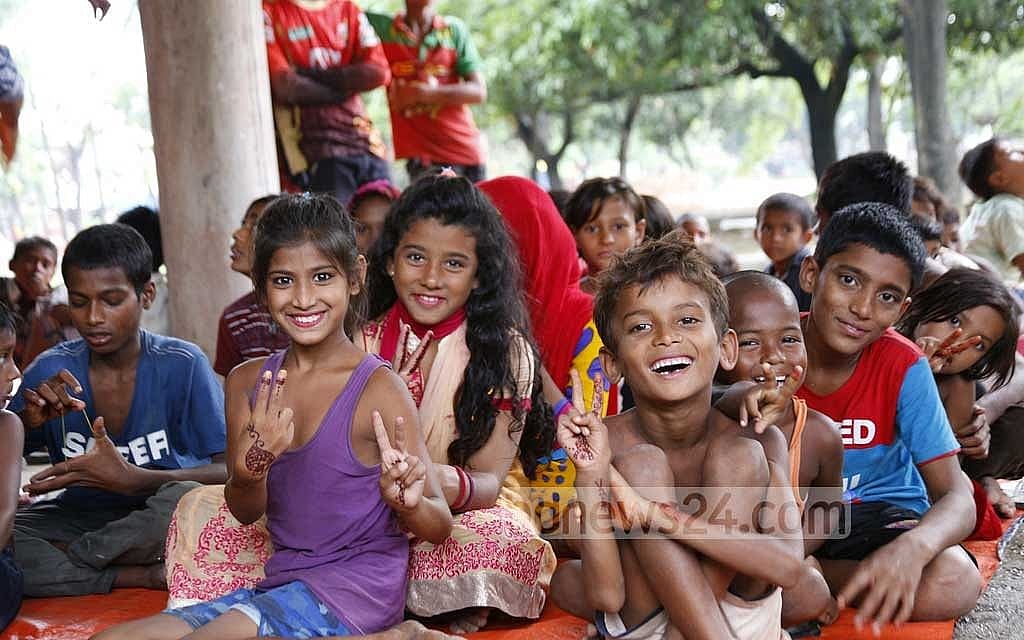
Among the street children of Dhaka, Chattogram and six other divisional cities, 64 percent do not want to return to their families, a study says.
The reasons behind their decision range from family disputes to unwillingness of their families to accept them to a lack of space to live at home, the Bangladesh Bureau of Statistics research found.
These children include around 38 percent who were forced to live on the streets by poverty while 79 percent do not want to stay at rehabilitation centres for a lack of freedom.
The BBS published the findings of the Survey on Street Children on 2022 on Monday. It conducted the survey in association with UNICEF, in nine city corporations from Apr 4 to 23 last year. As many as 7,200 street children participated in the survey.
Masud Alam, the director of BBS’s demography and health wing, said 15.4 percent of the children who participated in the study said they came to cities with their parents while 12.1 percent came seeking jobs.
Asked if they want to return home, 64 percent said they do not. Among them, 36.3 percent said they do not want to return to their families because of a violent atmosphere at home and 21.3 percent said their parents would not accept them.
The children include 11.4 percent who are afraid of punishment if they return home while 11 percent said they will have to work for their families.
While the report does not contain absolute figures, UNICEF said its experts fear that the number of children living on the street in Bangladesh could be in the millions.
It said in a statement children living on the street in Bangladesh face deprivation, extreme poverty, malnutrition, disease, illiteracy and violence.
“The emerging reality of the street children is expected to provide inputs towards developing
policies and action programmes to combat the situation of street children in the country,” Planning Minister MA Mannan said at the event to publish the findings.
“The report findings are shocking. They tell us not only of the urgent work ahead, but also that children living and working on the street need our empathy and support,” said Sheldon Yett, UNICEF representative to Bangladesh.
Children in street situations are defined as children who spend the majority of their time on the streets, either living there or for their livelihood, with or without family.
According to the survey, most of these children, or 82 percent, are boys.
Approximately 13 percent are disconnected from their family, and about six percent are orphans or do not know if their parents are alive.
“Alarmingly and shamefully, the most common perpetrators of abuse and harassment against children in street situation are passers-by, with eight in ten children reporting abuse or harassment by pedestrians,” UNICEF said.
One in three incidents of violence reported by children occurred during their night-time sleep, according to the survey.
Three in four children in street situations can neither read nor write, leaving them with a “lifelong handicap and grim prospects for the future”.
Over half the children surveyed reported falling sick within the three months prior to the survey, suffering from fever, coughs, headaches and waterborne diseases.
Most of the children, or 79 percent, were unaware of the support they can get through organisations that provide services for children in street situations.