


Published : 19 Nov 2015, 10:29 AM
Updated : 19 Oct 2022, 07:03 PM








The party, which opposed Bangladesh’s independence, called shutdowns every time its leaders were convicted of war crimes.
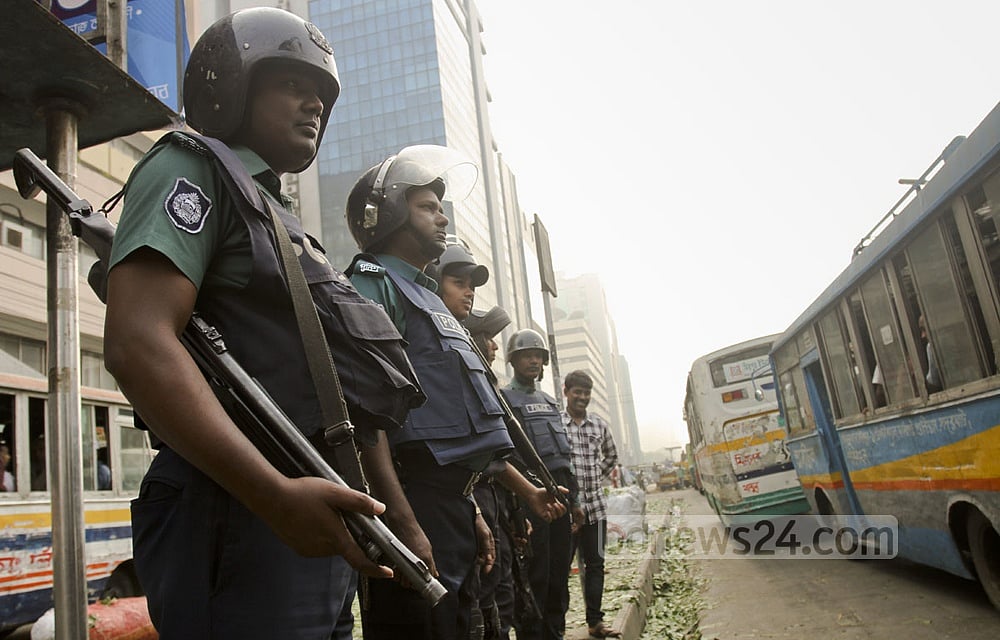
Security was beefed up across Bangladesh on Tuesday ahead of Mujahid and Chittagong’s wartime terror Salauddin Quader Chowdhury’s review petition hearing.
Security forces were deployed in capital’s key points on Thursday morning while BGB troopers were seen patrolling the cities across the country.
Jamaat’s acting chief Maqbul Ahmed called for the shutdown minutes after the Appellate Division rejected former Al-Badr commander Mujahid’s review petition to commute his death sentence.
But the media statement did not mention the duration of the shutdown.
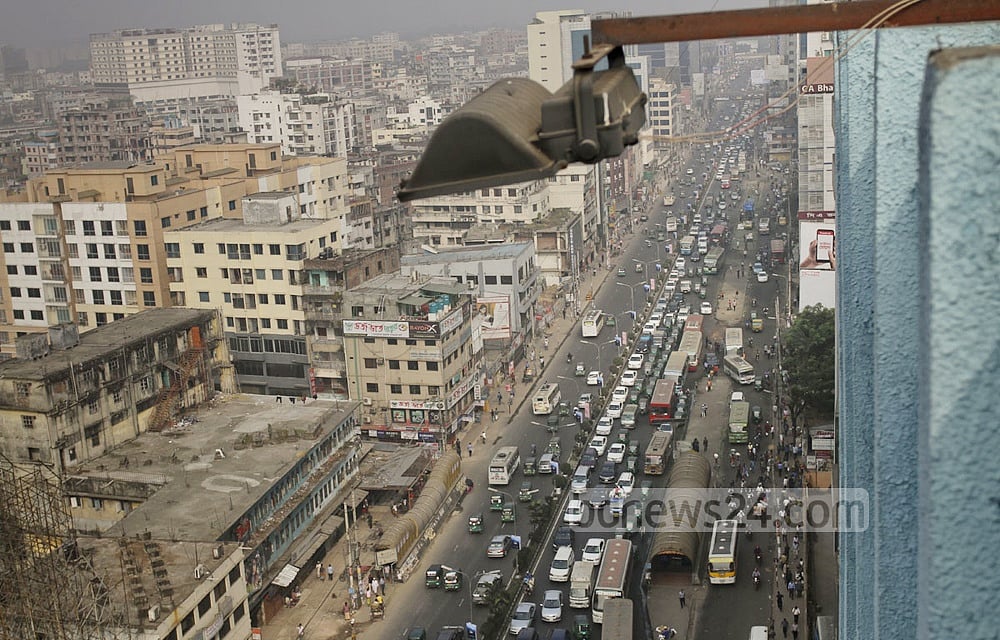
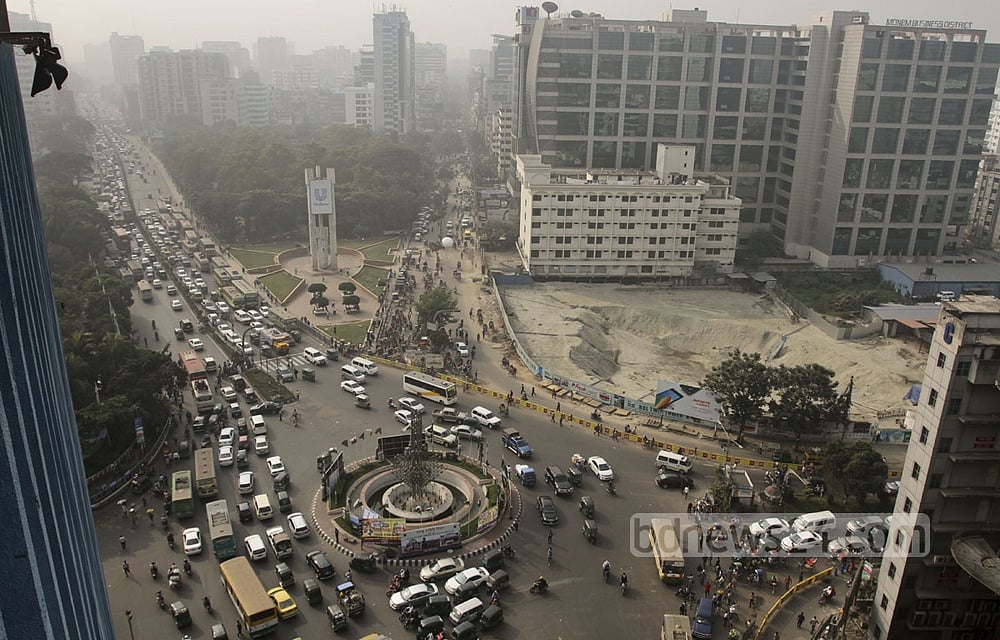
Traffic on Dhaka’s streets was almost normal in the morning although very few private cars were plying.
Public and private offices resumed work as usual.
There has been no report of any untoward incident from any part of the country since Thursday morning. Strikers did not take out processions in support of the shutdown in Dhaka.
Jamaat unleashed widespread violence across the country opposing the war crimes trials last year. The High Court has scrapped the party’s registration with the Election Commission, disqualifying it from contesting elections.
Mujahid, a former social welfare minister, was the president of Jamaat’s erstwhile student front Islami Chhatra Sangha during the Liberation War.
The Pakistani army set up a camp at Mohammadpur’s Physical Training institute and trained members of Razakar and Al-Badr there.
Mujahid frequented the place and plotted various conspiracies to prevent Bangladesh’s independence.
A special tribunal had sentenced Mujahid to death on July 17, 2013 for the murder of intellectuals and his involvement in the killing and torture of Hindus in 1971.
He had appealed to the top court, seeking review of his death penalty but a bench led by Chief Justice Sinha upheld the tribunal’s verdict on June 16.













