


Published : 15 Mar 2022, 09:25 PM
Updated : 21 Oct 2022, 03:38 PM


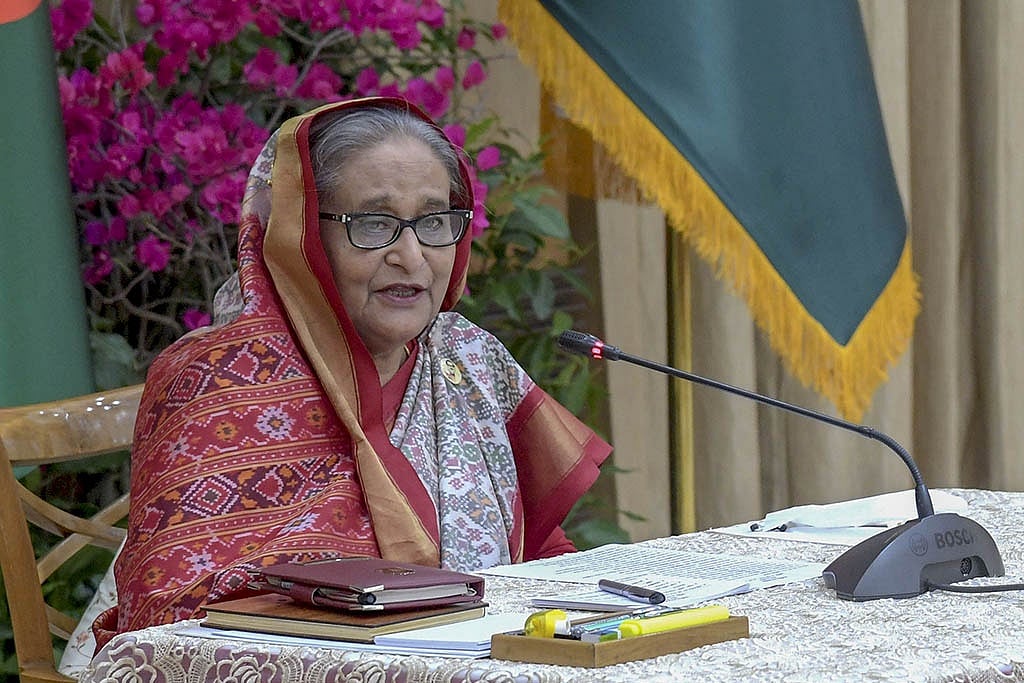
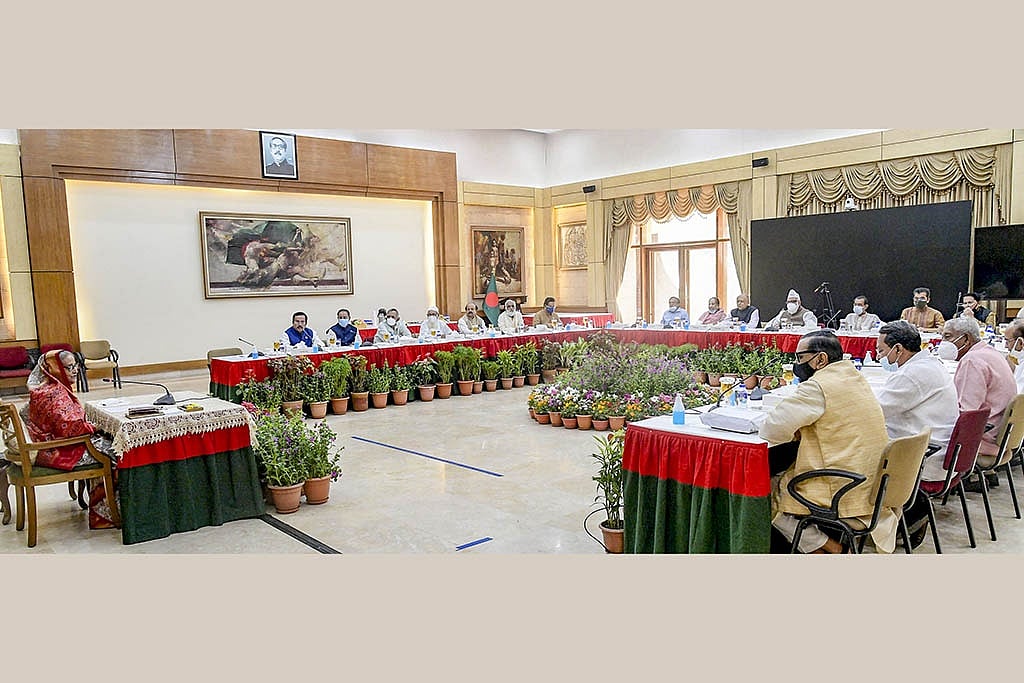
The beneficiaries of the programme will be picked from outside the scheme under which 3.8 million people will receive cash or that under which 5 million others can buy rice at Tk 10 per kg, she said at a meeting of the 14-Party Alliance led by the ruling Awami League at the Ganabhaban on Tuesday.
The programme will be launched on Mar 20, and the beneficiaries will get the products, including soybean oil, sugar, lentil, gram and onions, in two phases, said Humayun Kabir, a spokesman for the government's trading arm.
The Trading Corporation of Bangladesh or TCB will provide products up and down the country at subsidised prices through the special card programme.
The TCB has been selling groceries at 150 points in Dhaka since Mar 6. Now the corporation will expand the programme through the 'Family Card' scheme in metropolitans, districts, Upazila and union levels.
The prime minister also emphasised domestic production of cooking oil as the authorities were struggling to cool off the market before the Islamic month of fasting when the prices spiral even more.
She said the government has 1.8 million tonnes of food grains in its stock, which is “enough”.
But Bangladesh still depends on other countries for cooking oil, and 90 percent of its demand for edible oil is met through imports, she pointed out.
The government is taking action to keep the cooking oil prices under control, but, she added, when prices go up in the international market, "there isn't much” it can do.
To get out of the problem, she said, the government was working to boost domestic production through research.
“My point is that we must be in a position to produce everything ourselves to meet our own needs. I’m trying hard so that we don’t have to depend on anyone else,” she said.
The onion market in Bangladesh was also vulnerable to volatility because it depended on imports, but the situation has improved, Hasina said.
“Hopefully, we don’t have to import onion in the coming years. We’ll be able to export. We’re supporting our farmers to achieve the target.”













