Published : 20 Nov 2026, 01:37 AM
Updated : 20 Nov 2026, 01:42 AM


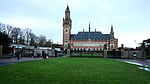
In The Hague, a long-awaited word finally reached the Rohingya: genocide.
For Rahima Khushi, a human rights activist born and raised in Bangladesh’s refugee camps, Thursday’s International Court of Justice ruling brought relief and joy. She had followed The Gambia’s case against Myanmar closely, helping gather testimony, translate documents and interpret at hearings.
“For more than seven years, the Rohingya community has waited for this day,” she told bdnews24.com. The court’s recognition of genocide was a major achievement, she said, as was its acceptance of Rohingya testimony.
“We are very happy. But now we have to see what happens next. This ruling creates an opportunity for us to work further on the path to returning to Rakhine,” she said.
The judgment recognises the Rohingya as a distinct community in Myanmar and orders safe, dignified return, family reunification and compensation.
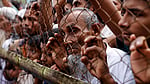
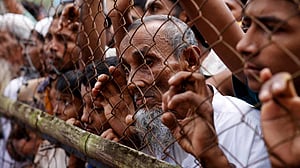
Bangladesh, which has sheltered around 1.2 million Rohingya, welcomed the ruling and urged the international community to press Myanmar to comply.
“We welcome the ICJ ruling and are satisfied. You may have seen that, for the first time, the ICJ has condemned a state for genocide,” State Minister for Foreign Affairs Humaiun Kobir said.
“The state of Myanmar has been condemned for the genocide committed against the Rohingya people. This is the first time such a thing has happened through an international court process for grave violations of rights.”
State Minister Shama Obaed Islam said, “We hope the Myanmar government will understand, at least to some extent, and the Arakan Army will understand that this Rohingya community wants to return to their own country with dignity and that they will respect [Thursday’s] ruling. By respecting it, they will begin the repatriation process.”
She urged the international community to put pressure on Myanmar and the Arakan Army to start repatriation as soon as possible.
A Landmark Finding
The Gambia filed the case on Nov 11, 2019, accusing Myanmar of violating the 1948 Genocide Convention.
The case centred on allegations that Myanmar’s military killed, raped and tortured Rohingya and burned villages during its so-called “clearance operations” in Rakhine in 2017.
More than 700,000 people fled to Bangladesh. Myanmar denied genocide, saying its forces were responding to attacks by the Arakan Rohingya Salvation Army.
On Thursday, the 15-judge court ruled by nine votes to six that Myanmar had committed genocide against the Rohingya in northern Rakhine.
It found that security forces killed thousands, carried out widespread sexual violence, inflicted extreme violence on children and attacked people fleeing.
Genocide requires an intent to destroy, in whole or in part, a national, ethnic, racial or religious group.
The court found that the only reasonable inference from Myanmar’s conduct was an intent to destroy a substantial part of the Rohingya.
It is the first time the ICJ has directly found a state responsible for committing genocide.
Refugee expert Rahman Nasir Uddin said genocide was not the same as mass killing. Its central requirement, he said, was “intent to destroy”.
For Khushi, the court’s acceptance of Rohingya testimony was deeply personal.
“The court has recognised our testimonies as credible. This is a very big moment for us. We had been waiting for such an outcome for a long time,” she said.
Former ambassador Humaiun said recognition of Rohingya identity was another crucial achievement.
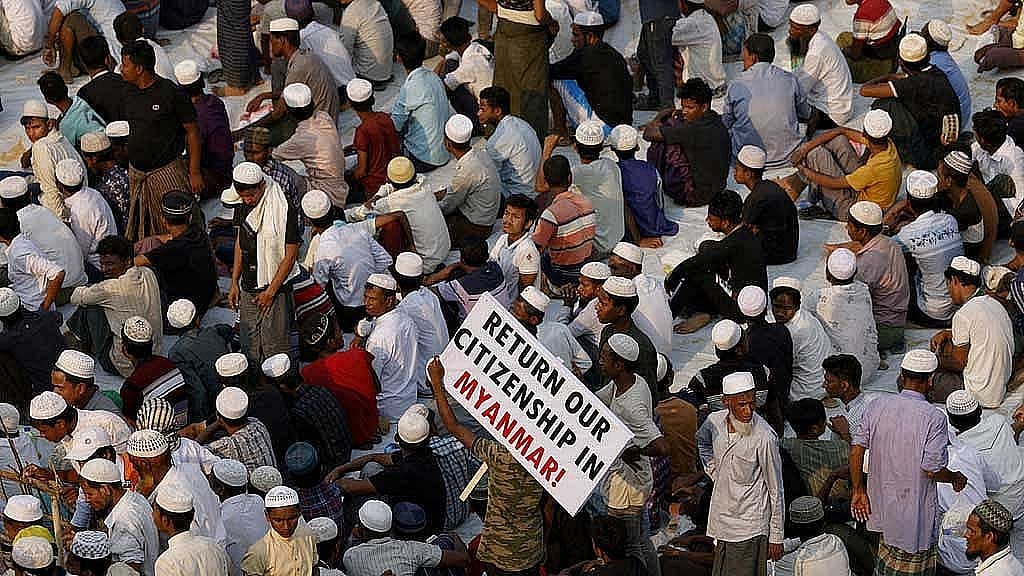
Myanmar had stripped the community of citizenship and called them “Bengalis” or a “Muslim minority”. The court recognised them as a distinct ethnic group in Myanmar.
“For so long, Myanmar has called the Rohingya Bengalis and tried to prevent the use of the word Rohingya, nationally and internationally. That effort has been completely rejected, and through this judgment the Rohingya have been established as a group with the name Rohingya,” he said.
“This is an identity document for the Rohingya, recognised internationally. This is the first important point. Now the Rohingya can fight on this basis in the future.”
Humaiun highlighted the order to return the Rohingya with dignity and restore their homes and property. Myanmar must report within two years. The ruling is final and cannot be appealed.
Joy Shadowed by Anger
For many Rohingya, vindication came with painful memories of decades of violence.
“We are happy now, but we are also angry. The persecution inflicted on us by the Myanmar army, security forces and extremists in Rakhine is coming back to our minds,” said Syed Ullah, founding president of the United Council of Rohingya.
“If we cannot make use of this opportunity, the future of the Rohingya will become even more uncertain,” he said.
Mujibur Rahman, president of the Arakan Rohingya Football Federation, called it a victory for humanity.
“This is not our victory; this is the victory of the world, the victory of humanity, the victory of international law,” he said.
The court ordered Myanmar to end violations of the Genocide Convention, investigate suspected perpetrators and prosecute those responsible. Reparation includes safe, voluntary and dignified repatriation, family reunification and compensation.
The judgment binds the parties, but the ICJ has no police force or direct enforcement arm. If Myanmar refuses to comply, international pressure and potentially the UN Security Council will be crucial.
The Road Home
The ruling strengthens the Rohingya’s claim to return, but cannot itself make Rakhine safe, said Southeast Asia specialist Altaf Parvez. He called it a “moral victory” that could increase global sympathy, reinforce the demand for return and make it harder for host countries to forcibly remove refugees.
But northern Rakhine is no longer under the Myanmar military’s effective control. The Arakan Army holds sway, making its position central to any return. Even if both sides agree, a safe zone and credible security guarantees would be needed.
“Let us assume the Myanmar army agrees, and the Arakan Army agrees too. Even then, to send the Rohingya back to northern Rakhine, a safe zone will have to be established. International guardianship will be needed to ensure this kind of security. Bangladesh will also have a major role here,” Altaf said.
Humaiun said the judgment had given Bangladesh “new strength”.
“Now you can tell Myanmar: ‘Brother, if you want to implement this, I can help you. We can say this,’” he said.
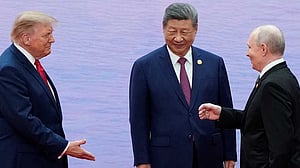
He urged Bangladesh to press other countries, including China and Russia, to persuade Myanmar to take the Rohingya back.
Altaf said Dhaka could seek more refugee funding and international action for safe repatriation, including through Malaysia and Indonesia.
The ICJ determines state responsibility, not individual criminal guilt. Accountability for military leaders and others accused of crimes remains a separate matter for criminal courts, including the International Criminal Court.
UN Secretary-General António Guterres called it an important recognition for the Rohingya, saying it showed that impunity for grave crimes could not be accepted. He urged collective efforts towards a lasting solution.
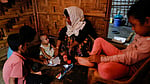
In The Hague, Khushi and other Rohingya representatives celebrated. In Bangladesh’s camps and Rakhine’s villages, however, the ruling has yet to change daily life.
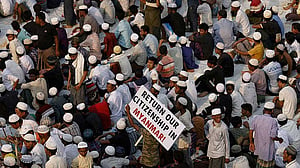
For the Rohingya, justice means more than a court naming the crime. It means returning home with security, citizenship and dignity.
The wait for a judgment is over. The world must now decide whether it will help make that judgment real.
For families in exile, this distinction matters deeply.