Published : 20 Nov 2026, 01:04 AM
Updated : 20 Nov 2026, 01:04 AM


The first population genomics study of the Rohingya has traced most of their ancestry to eastern South Asia and found evidence of intermixing with populations in Myanmar between 701 and 974 years ago.
The findings are consistent with the ancestors of the Rohingya having moved into Myanmar’s Arakan region around that period, The Telegraph Online reported.
“Our results trace the Rohingya’s genetic roots to the eastern Indian region,” Gyaneswar Chaubey, a study collaborator at Banaras Hindu University, told the news agency.
“We also find evidence consistent with their presence in the Arakan region close to a thousand years ago,” he added.
Researchers analysed blood samples from 25 Rohingya people in a Cox’s Bazar refugee camp, alongside samples from other communities in Bangladesh and previously published genetic data from 2,217 individuals.
The study, published in Scientific Reports, found that the Rohingya formed a distinct genetic cluster, with their closest links to present-day Bangladeshis, according to the report.
It estimated that 59 percent of Rohingya ancestry was linked to a north Indian-related genetic source and 41 percent to Burmese-related sources.
The figures are based on present-day populations used as genetic proxies, rather than direct measurements of historical ethnic groups.
The researchers said the findings were also consistent with the Rohingya’s linguistic identity. Their language is closely related to the Chittagong dialect of Bengali, The Telegraph Online noted.
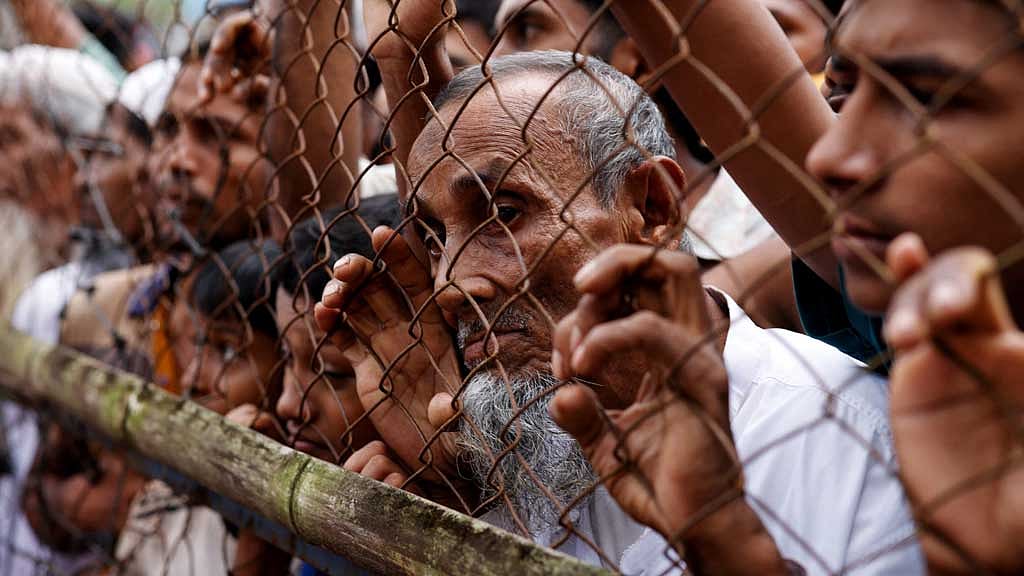
The study comes amid continued displacement and persecution of the Rohingya in Myanmar. About 1.2 million refugees are living in Bangladesh, according to a UN estimate cited by the report.