November 23, 2026

Government to do everything for welfare of enclave residents, says PM Hasina

Prime Minister Sheikh Hasina has said that her government will do everything necessary for the welfare of residents of former Indian enclaves within Bangladesh.

Reazul Bashar

Kurhigram

bdnews24.com

Published : 15 Oct 2015, 03:35 PM

Updated : 19 Oct 2022, 07:01 PM

Image
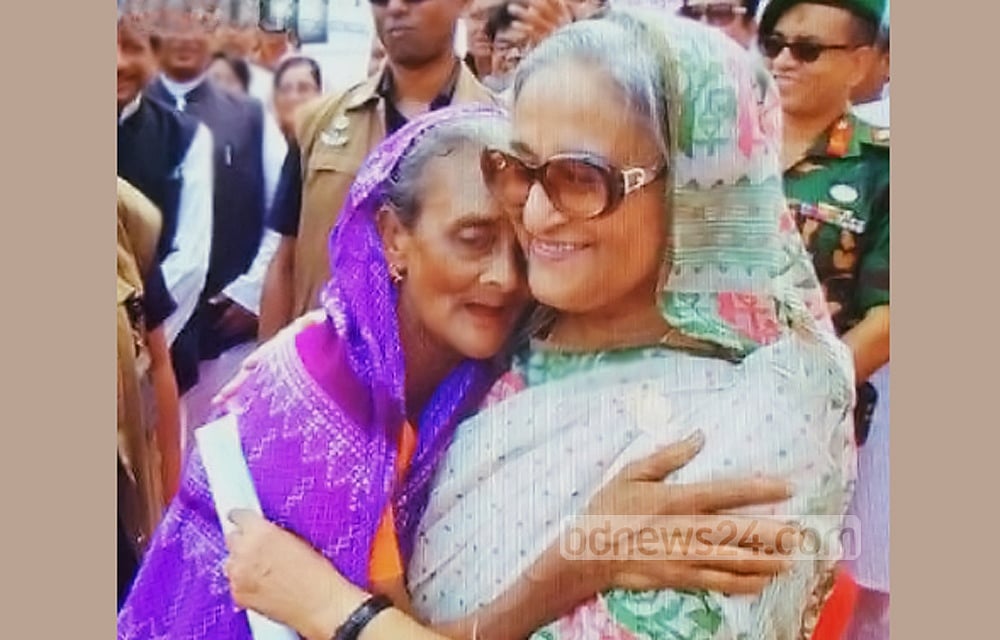
Prime Minister Hasina embraces an old woman during her visit to former enclave Dashiarchharha in Kurhigram.

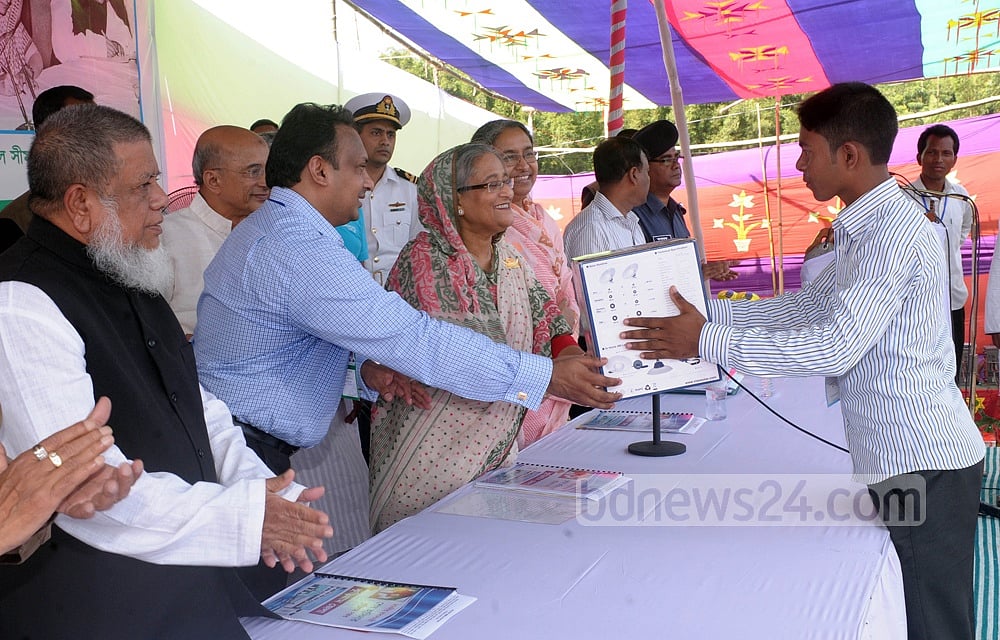
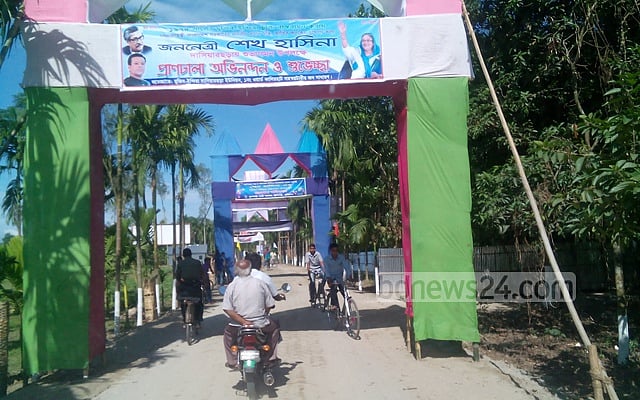
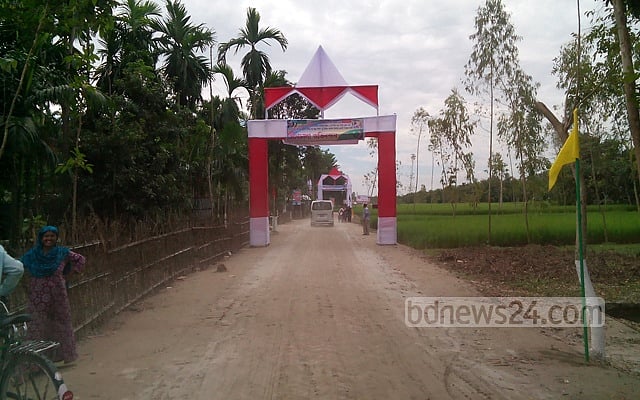
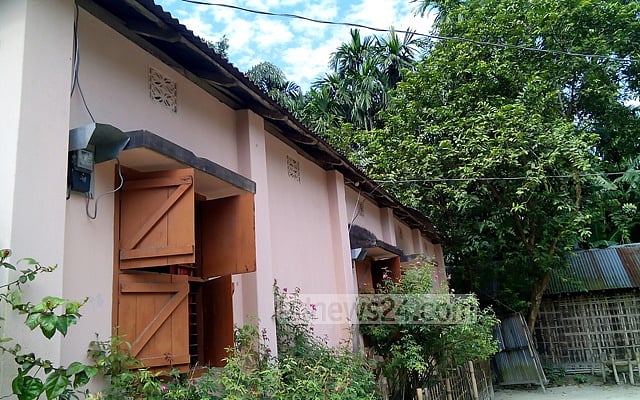
As the first head of the government to visit the former enclave of Dashiarchharha on Thursday, Hasina launched electricity transmissions for the area in Kurhigram’s Fulbarhi Upazila.
 
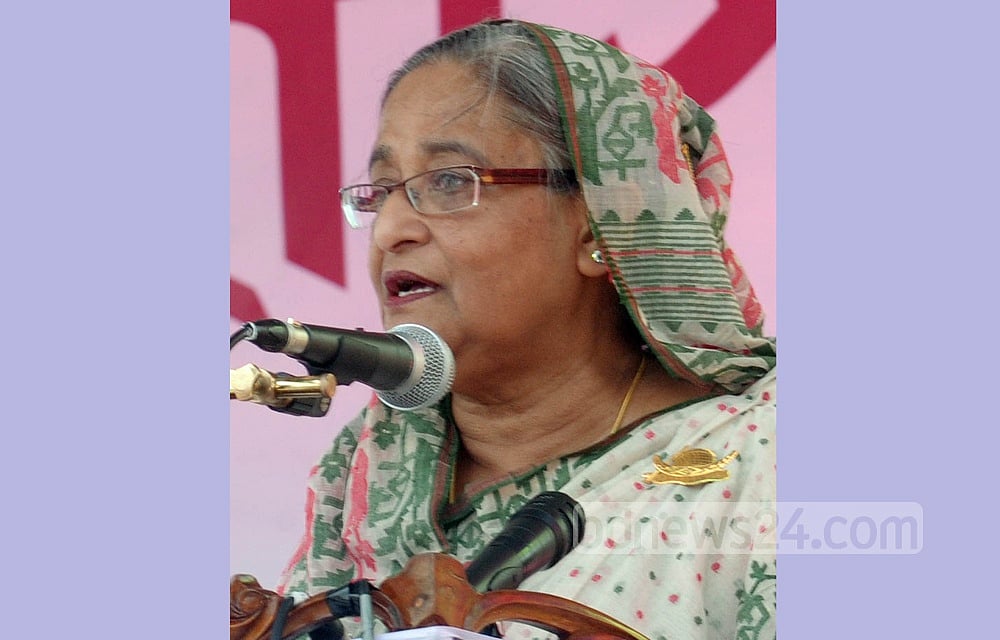
“The days of agony has ended,” she told a gathering at the grounds of Kalihat Girls’ High School on Thursday.
 
She said that the government has taken measures to ensure electricity, healthcare and education for the former enclaves.
 
“We have already set up five police outposts in the enclaves we’ve got from India. The work to give power connections to  2,500 homes is on,” said the prime minister.
 
She added that solar panels have been distributed in areas not covered by electricity and work was on to set up more schools.
 
“Do not consider yourselves as residents of enclaves anymore. You are now citizens of this country.”
 
After the midnight of Jul 31, the swap of 162  enclaves between India and Bangladesh ended one of the world's most intractable border disputes.
 

According to the Land Boundary Agreement between the two neighbours, from Aug 1, some 17,160 acres of Indian land within Bangladesh territory became part of it. Similarly, 51 Bangladeshi enclaves spread over nearly 7,110 acres within India became part of that country. A joint India-Bangladesh census in 2011 found Bangladeshi enclaves had around 14,000 residents while the Indian enclaves had 37,000. There are 12 such former enclaves in the Kurhigram district with 8, 132 residents. Dashiarchharha is home to 6,608 people. She told the rally at Kalihat that no government but her Awami League had the courage to discuss implementation of the Mujib-Indira treaty signed in 1974 to settle the land boundary issue. “It took 68 years,” she said. She thanked the members of Indian Parliament, the government of Narendra Modi and the governments of neighbouring Indian states for the agreement. “Your agony would have ended a long time ago if the Father of the Nation was alive,” she told the residents of Dashiarchharha. Hasina said her government had started setting up primary and high schools, educational institutes based in mosques and temples, medical centres, digital information centres, and building roads in the former enclaves. She said the government also took programmes to employ the people of these areas and rehabilitate the homeless, apart from starting credit programme. “A long time has passed. But we are very sincere to fill in the gaps. So, I have come here today,” she said. “Inshallah, the day is not very far when we’ll be able to provide electricity to every house. We’ll not only provide electric light, but we’ll also give the light of education, health care,” she added. The prime minister said the government set a target to uplift Bangladesh to a middle-income country by 2021 and get the status of a developed country by 2041. She inaugurated 16 development projects and laid foundation stones for another 15 for the northern district later in the day. She also addressed a rally, organised by the local Awami League, at the Kurhigram Government Women’s College ground.
Related Stories