


Published : 30 Dec 2013, 09:19 PM
Updated : 20 Oct 2022, 03:43 PM



Also Read:
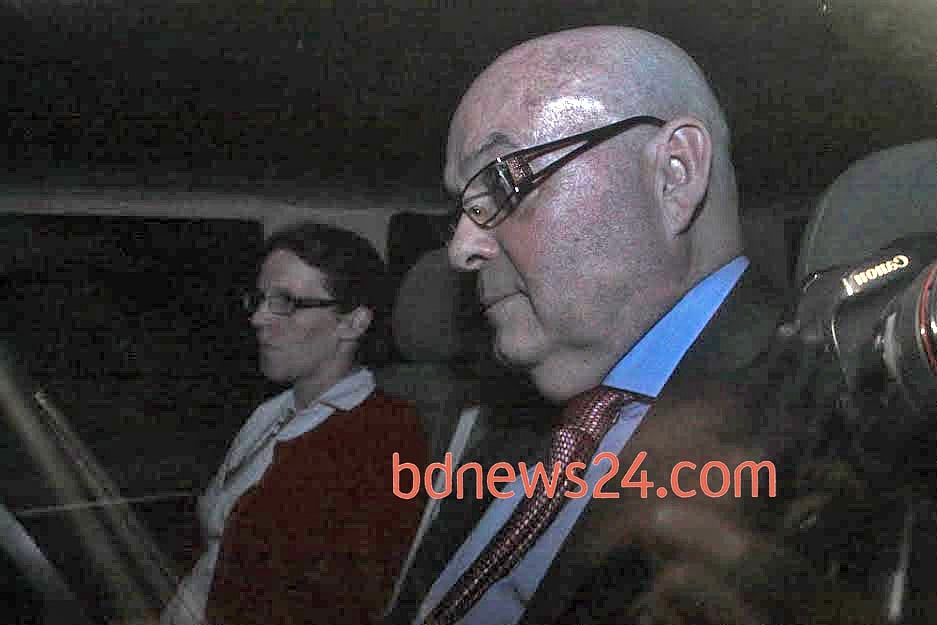
British envoy meets KhaledaAlso Read:
Hasina, Khaleda for compromise, says WarsiAlso Read:
AL, BNP must keep talks going: UNAlso Read:
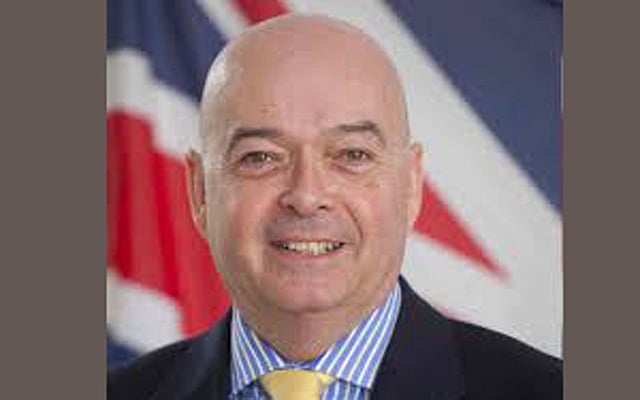
‘EU not taking sides’A High Commission spokesperson told bdnews24.com the envoy had just returned from his Christmas holidays on Sunday and would meet senior leaders of both parties to be abreast of the situation.
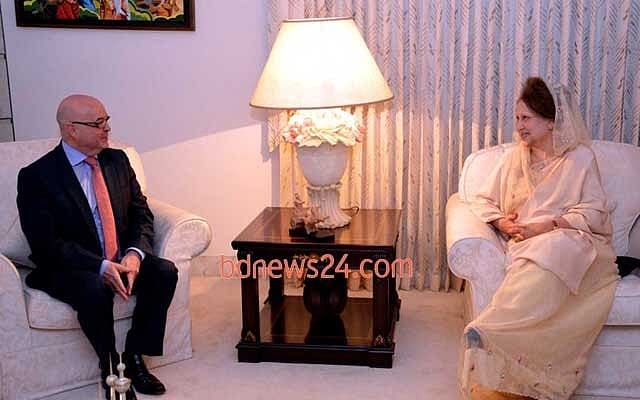
On Monday, he met BNP chief Khaleda Zia. Earlier, he had attended the foreign minister’s briefing on the current political situation held for European Union diplomats.
He might meet other senior leaders on Tuesday, the spokesperson said.
The High Commissioner met the BNP chief at her house amid tight police security and countrywide concern over the Opposition’s agitation ahead of Jan 5 polls.
The meeting, held at Khaleda Zia's residence virtually under police siege, lasted over an hour.
Neither the High Commissioner nor Klaleda's advisers present in the meeting spoke to the media after it was over.
Khaleda Zia tried to come out of her home on Sunday, the first day of her 'March for Democracy', but police stopped her at the gate.
Later, she told journalists that the programme would continue until the government stopped what she said were “farcical” elections.
BNP is boycotting the elections saying it had no confidence on the 'multi-party' government’s oversight of the polls. As a result, over half the seats returned uncontested winners.
The UK, being an influential member of the European Union, has been calling for a dialogue to resolve the political impasse between the two major parties over election-time dispensation.
Britain's Senior Foreign Office Minister Sayeeda Hussain Warsi during her visit on Dec 12 also called for a resolution of the crisis through dialogues.
There had been three rounds of UN-mediated talks between the senior leaders of the two parties after the last date for submitting nominations had passed without achieving a breakthrough.
The European Union later decided against sending poll observers, citing as it reason the failure of the major parties to agree on a way to ensure “transparent, inclusive and credible” polls.







