Published : 25 Aug 2021, 03:18 AM
Updated : 14 Oct 2022, 06:57 PM


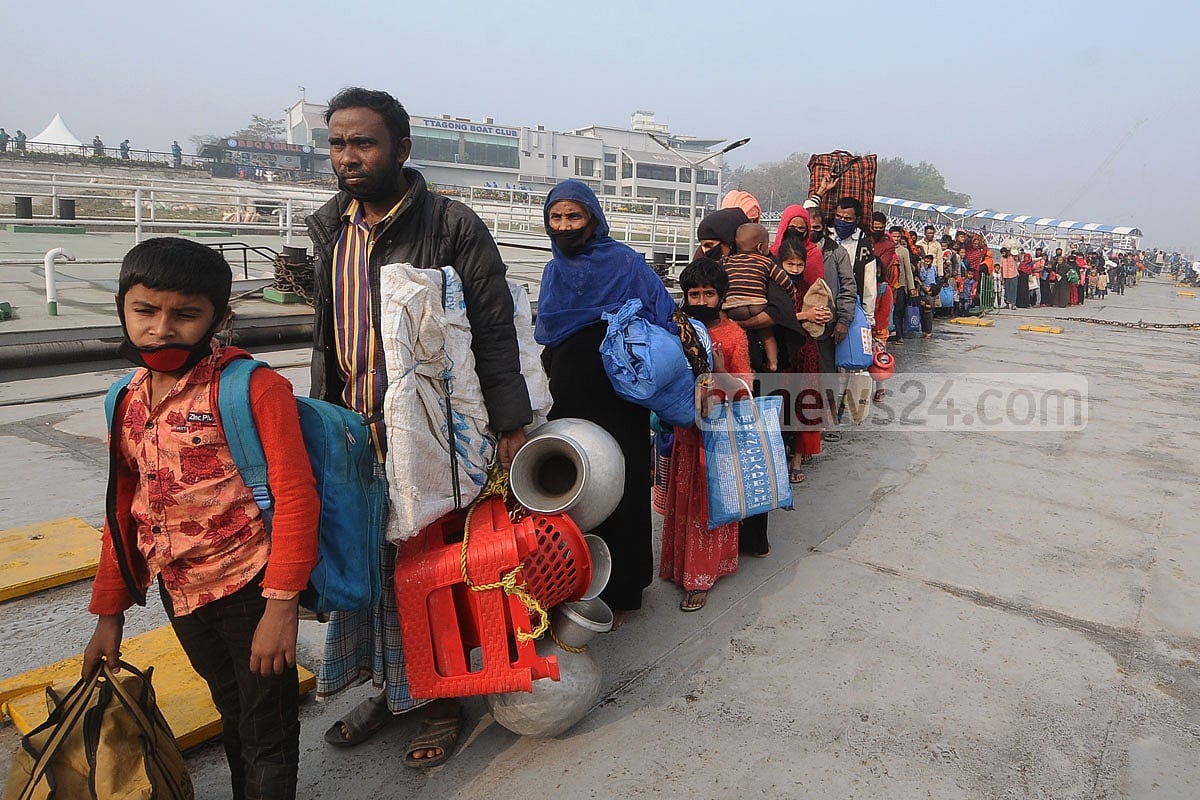
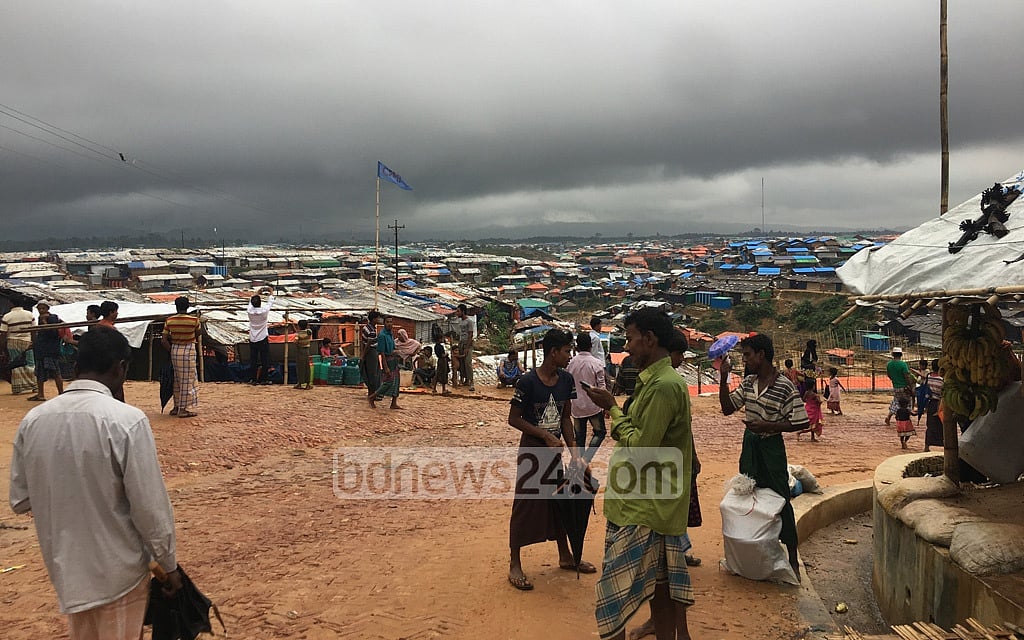
Hopes of sending the refugees back home were rekindled earlier this year during tripartite talks led by China but the process has since stalled following a military coup in Myanmar in February.
The talks did not advance subsequently due to the political turmoil in Myanmar and the raging coronavirus pandemic.
Bangladesh has made repeated calls for an active role of the international community over the repatriation of the Rohingya. But the UN along with other humanitarian organisations and countries are yet to take any initiative of note.
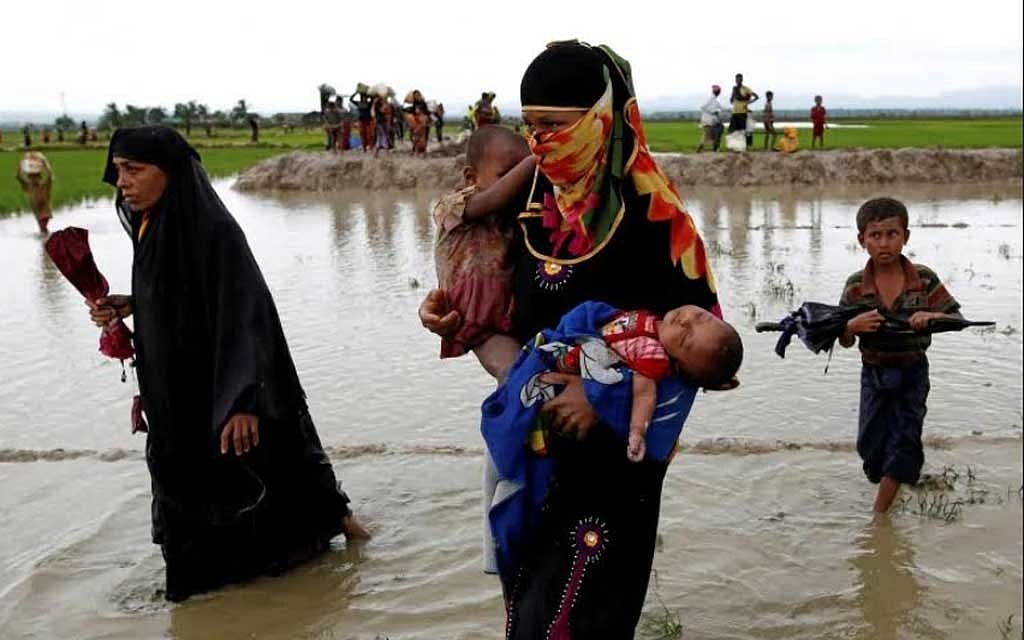
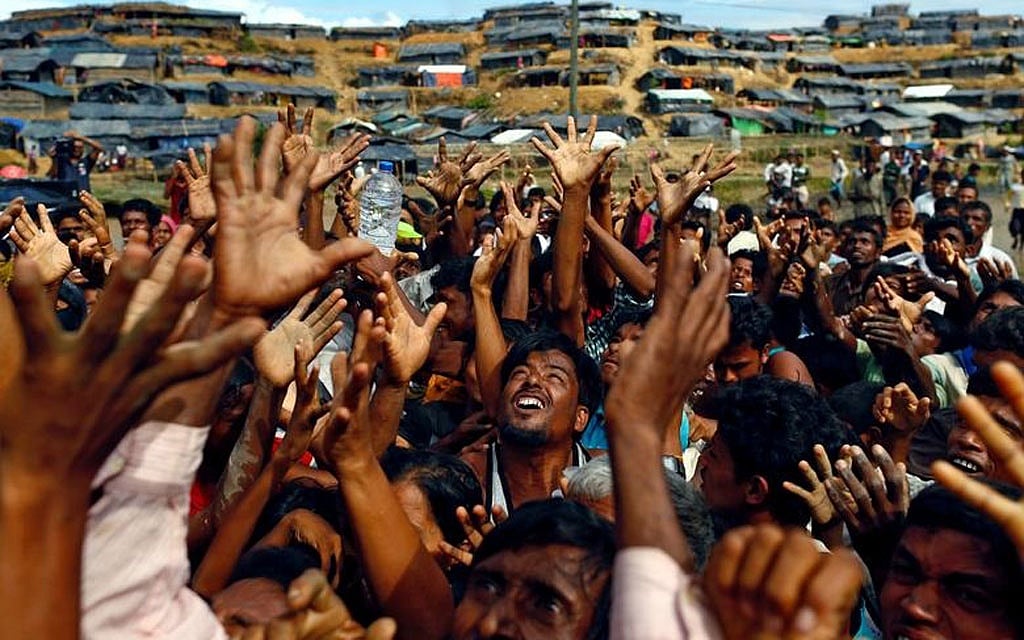
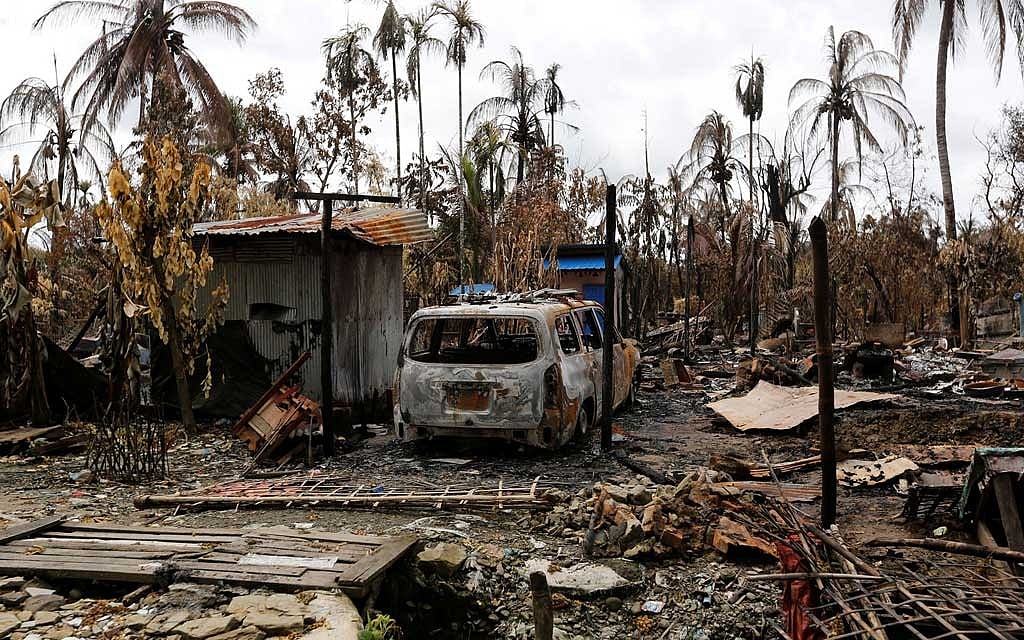
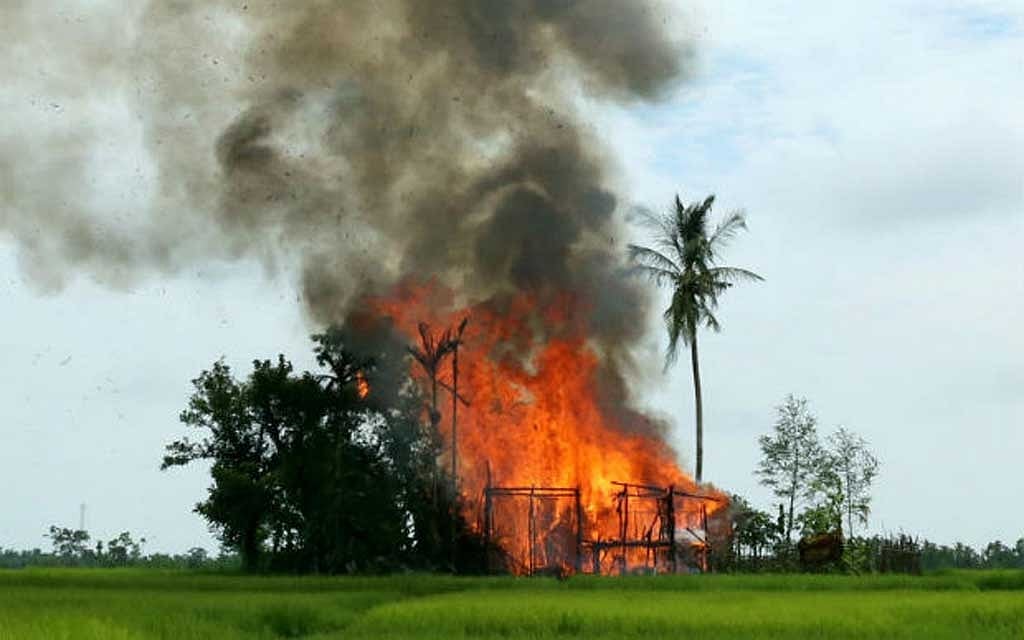
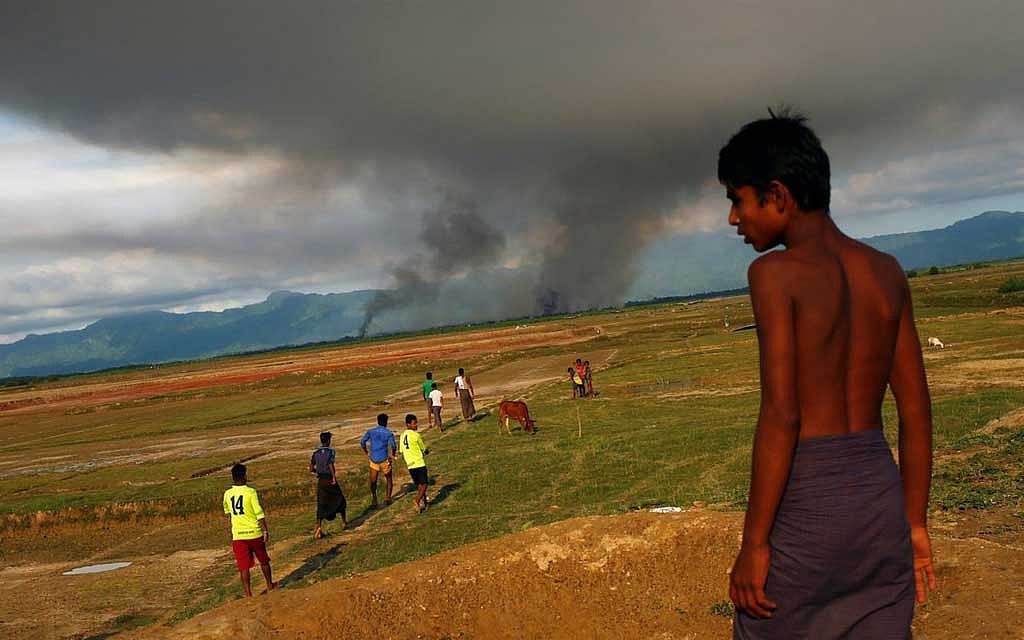
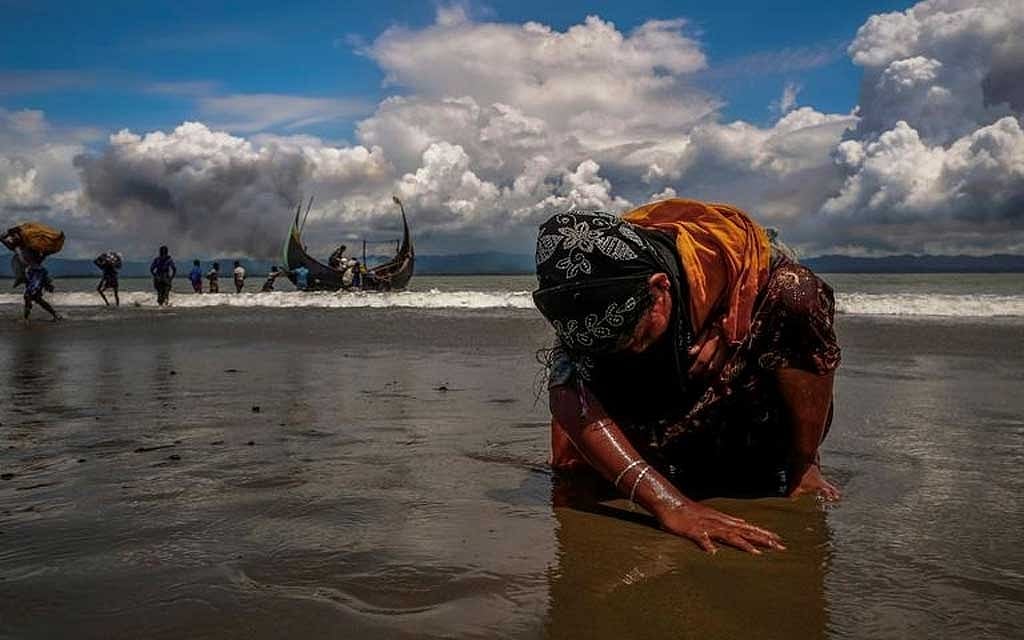
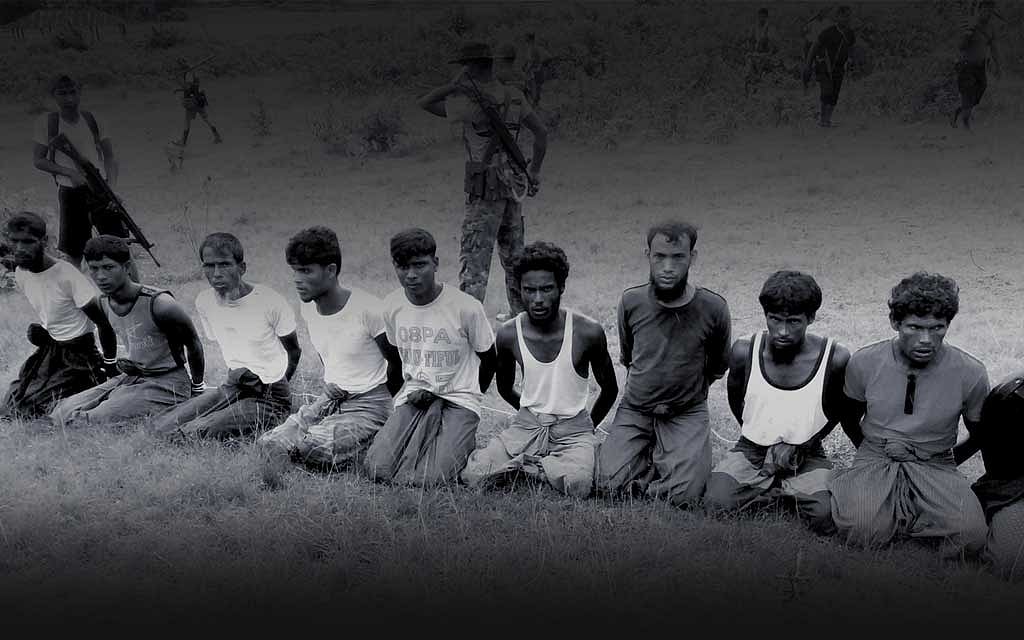
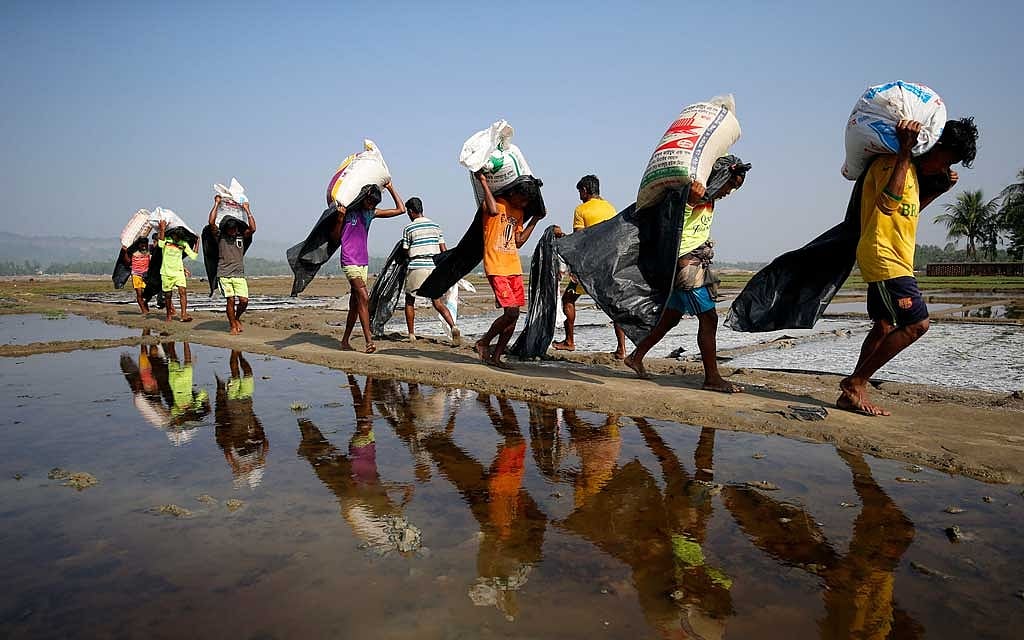
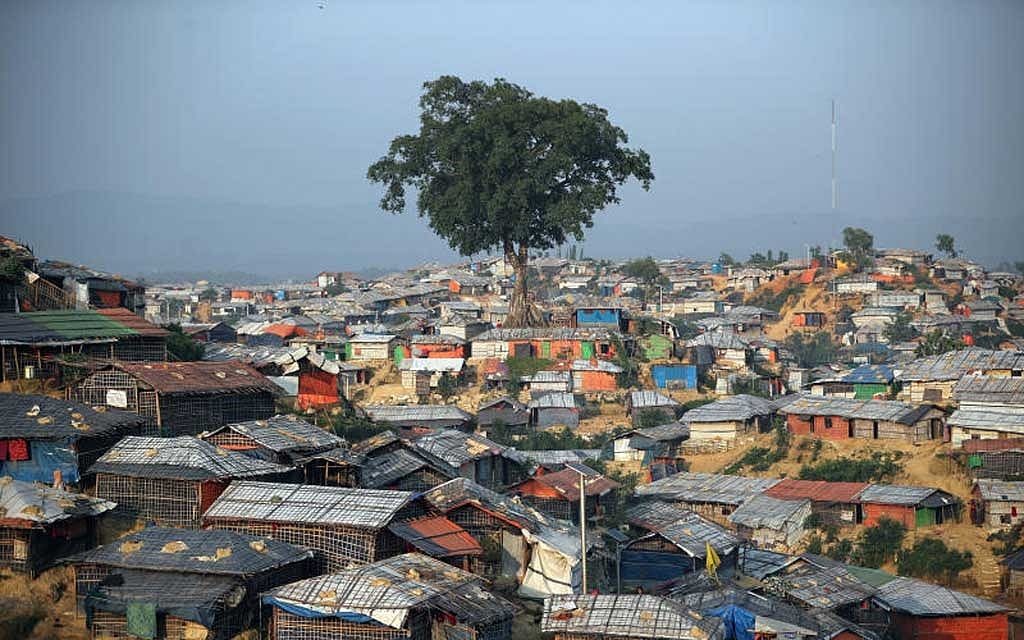
In the face of persecution and brutal military crackdown in Myanmar's Rakhine state in 2017, about 750,00 Rohingya poured across the border seeking refuge in Bangladesh.
The UN described the Myanmar army's crackdown on the Rohingya as a "classic example of ethnic cleansing", while others have accused the country of committing genocide against the Muslim-minority group.
In the face of international pressure, the government of Aung San Suu Kyi signed an agreement with Bangladesh for the repatriation of its displaced nationals. But the efforts to send them back fell flat twice in 2019, as the Rohingya outright refused to return.
They pointed to a lack of safe, dignified and sustainable environment for their return to violence-ravaged Rakhine State, while the government of the country continued denying the Rohingya citizenship rights.
Then the military junta led by Senior General Min Aung Hlaing overthrew Suu Kyi's government and seized earlier this year. So far, the junta has struggled to stabilise a volatile political situation in the country.
Despite the change of power, analysts believe the repatriation of the Rohingya people will be possible if the situation in the country improves.
In the meantime, Bangladesh has relocated about 19,000 Rohingya refugees from the camps in Cox's Bazar to Noakhali's Bhasan Char island in six phases.
Foreign Minister AK Abdul Momen recently expressed frustration at not being able to repatriate a single Rohingya in the last four years.
"Our priority issue is to get them back to their homeland. Our neighbour Myanmar has also said it will take them back. Although it's been four years, they (Myanmar) have never said they won't take them.”
REPATRIATION PROCESS STALLS
As part of the bilateral agreement signed towards the end of 2017, the Rohingya were supposed to be repatriated within two years but not a single refugee has returned home yet.
Bangladesh hoped to begin the process in the second quarter of this year after a meeting with Myanmar mediated by China amid several delays.
The meeting was chaired by Chinese Vice Foreign Minister Luo Zhaohui while the Myanmar delegation was headed by Hau Do Suan, the vice international support minister of the country.
A decision was subsequently taken to hold a working group meeting among the three countries in the first week of February. Foreign Secretary Masud Bin Momen also announced plans to launch a DG-level hotline for instant communication over repatriation issues.
At the time, the government handed over a list of 800,00 Rohingya to Myanmar, who only verified 42,000 names.
Bangladesh remains optimistic about the prospect of sending back the Rohingya, drawing hope from two previous instances of repatriation during military rule in Myanmar.
Foreign Minister Momen said, "Repatriation took place when there was a military government in Myanmar back in 1978 and 1992. Why can't it happen now? ”
Despite the instability in Myanmar, analysts have urged the government to step up diplomatic efforts over the repatriation of the Rohingya.
Dhaka must urge the international community to put their business interests aside and view the Rohingya crisis in isolation, according to Imtiaz Ahmed, professor of international relations at Dhaka University.
"The crackdown on the Rohingya has been reported as genocide and a crime against humanity in all forums. "If you [Western countries] talk about laws, rules, transparency and accountability, you keep your businesses there but you separate the Rohingya issue."
"The government of Bangladesh, the media and the citizens must maintain the pressure through all means so that the discussion doesn't fade. Perhaps because of the pandemic, we are not able to internationalize the issue on a large scale. Maybe the situation will be better in the future. ”
But former ambassador M Humayun Kabir is not holding out hope of a speedy resolution to the Rohingya crisis due to the current political and economic situation in Myanmar.
"Whether it be bilaterals, tripartite or multilateral, these talks are now at a standstill," he said. "But even then, if we continuously engage with the friendly states we work with, then we can ramp up the pressure whenever the situation in Myanmar improves."
"And we can expedite the repatriation of the Rohingya. That is why we must stay active. So even if it's not with Myanmar, we can actively keep in contact with other friends and strengthen communication if necessary. ”
The World Bank has prepared a document on refugee management in 16 countries, entitled 'Refugee Policy Review Framework', which advocates for the integration of refugees into the host country.
The global lender's Dhaka office sent a letter to the finance minister seeking opinions on the matter but the government 'totally rejected' the framework as it does not consider the Rohingya to be 'refugees', according to Momen.
"We have completely rejected this report since they (Rohingya) are not refugees in the first place. The Rohingya people we have given shelter to are not refugees by our definition. They are an oppressed and displaced people, whom we have given temporary shelter."
In response to queries about the proposed framework, the World Bank said it is a 'global document' that is not specific to any country.
"The World Bank is supporting the government of Bangladesh with $590 million grant financing to address the needs of the displaced Rohingya population until their safe and voluntary return to Myanmar, and to minimise the impact on the host communities," said Mercy Tembon, the lender's country director for Bangladesh.
"The proposed Refugee Policy Review Framework aims at evaluating the effectiveness of the World Bank’s support to refugee-hosting countries across the world in their efforts to strengthen relevant policies and institutions to best manage the situation. The review for Bangladesh summarises the existent policies, practices and implementation.”
INTERNATIONAL COMMUNITY MUST REDOUBLE EFFORTS: UNHCR
"Rohingya refugees want to return to Myanmar when they can do so voluntarily and in safety and dignity. Rohingya people should never again feel compelled to seek protection and safety elsewhere," said Hannah Macdonald, spokesperson for UNHCR in Bangladesh.
Ensuring the safe and sustainable return of Rohingya refugees in the future will require practical, concrete improvements in Myanmar, according to the UN agency.
In order to facilitate the return of the Rohingya refugees, UNHCR called on Myanmar to lift restrictions on freedom of movement, while assuring the possibility to return to their own villages, finding solutions for internally-displaced Rohingya people who have been living in camps for many years, providing a clear pathway towards citizenship and "demonstrating a commitment to justice and accountability and a future where all the peoples will enjoy basic rights and live in safety and security."
"While refugees wait to return to Myanmar, they deserve the opportunity to live a dignified life and have a sense of purpose in Bangladesh. Access to livelihoods and skills training opportunities help refugees to achieve this, as well as prepare refugees for sustainable reintegration in Myanmar when it is safe to return."
"Following the UN in Bangladesh’s visit to Bhasan Char in March 2021, the UN recognised the prevailing humanitarian and protection needs of the Rohingya refugees relocated there and, on that basis, proposed further discussions with the Government. This included the protection and policy framework for refugees on Bhasan Char and the UN's future operational engagement there."
"We have now concluded a series of discussions with the Government on our future engagement on Bhasan Char, based on key humanitarian principles and the prevailing protection needs of the Rohingya refugees there. Discussions on operational planning and resource mobilisation will be initiated once the Memorandum of Understanding (MoU) is formalised and signed."
UN INVOLVEMENT IN BHASAN CHAR FROM SEPTEMBER
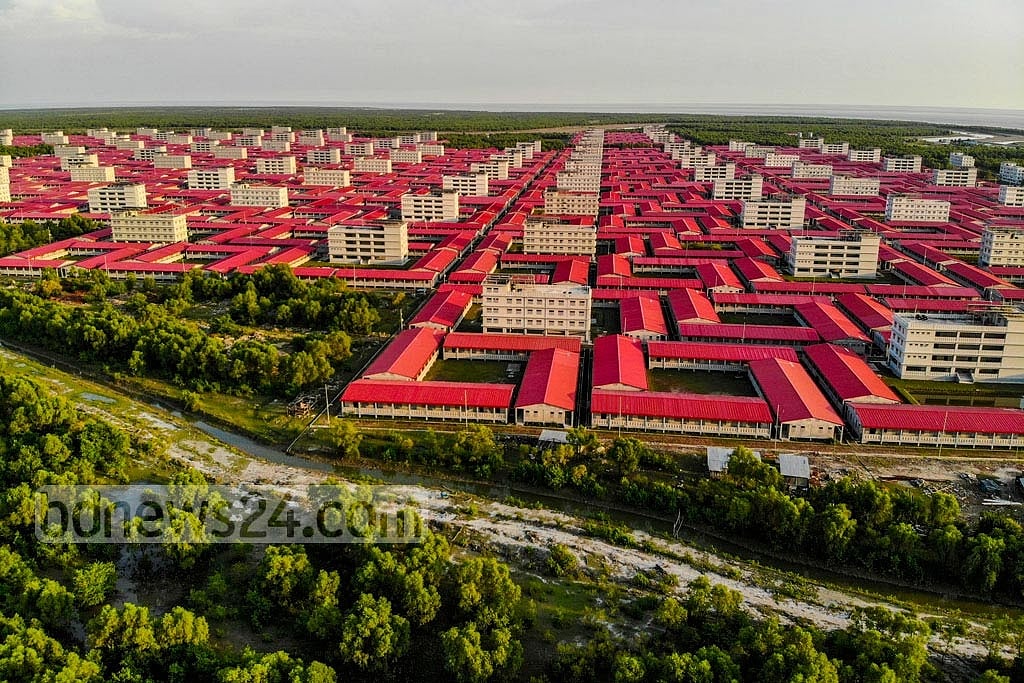
An aerial view of the housing project in Bhasan Char, named Asrayan-3. It is primarily based on the concept of cluster villages comprising houses and shelter stations which have been constructed with concrete blocks and stand four feet above the ground level.
Foreign Secretary Masud Bin Momen said the UN is likely to step into the relocation process from September - 10 months after it began.
“Currently, the agreement with the UN in relation to Bhasanchar is with the law ministry. It will be finalised by next week, if not this week, after the ministry vets it,” he said, adding that the UN is likely to provide a helping hand in the task from mid-September.
The government, at a cost of over Tk 23 billion, has set up the infrastructure of 120 cluster villages across 13,000 acres of the island to accommodate more than 100,000 people.
The relocation process was launched in Dec 4 last year amid criticism from the UN and other international human rights organisations. So far, as many as 18,334 refugees have been sent to the island in six batches.
When the process began, the UN in a media statement raised concerns about the move and said it had not been involved in preparations for this movement or the identification of the refugees and has limited information on the overall relocation exercise.
In response, the government said “the only realistic step for the UN and international community would be to actively get involved in the repatriation of the Rohingya to Myanmar, which is the only permanent solution to the issue”.
Three months after the relocation efforts began, a team from the UN arrived to observe the infrastructure in Bhasan Char on Mar 17. By then, six batches of refugees had already moved to the island.
The government then arranged a tour to Bhasan Char for 10 ambassadors while the assistant secretary general of OIC also paid a visit to the island.
Later in June, UNHCR's Assistant High Commissioner for Protection Gillian Triggs and Assistant High Commissioner Raouf Mazou hinted at taking steps towards getting involved in Bangladesh’s move.
Criticising the international community’s 'procrastination' about the relocation efforts, Prof Imtiaz said, “The international community was fretting about Bhasan Char all this time when it was quite apparent that they were thinking about something else. Now they’ve agreed to it.”
“They've wasted time for nothing as they failed to reach an agreement on anything with Myanmar and just kept negotiating with Bangladesh. But today's Bangladesh is quite different from the one from 20 years ago. Bangladesh can shelter 1.1 million Rohingya without the UNHCR being there. There may be other complications but Bangladesh is capable of keeping them fed.”
“But if the UNHCR is absent, there are no mandates. They have to shut it down because there are so many Rohingya, and you are not there. They are have been forced to get involved only because the government remained adamant."
Former ambassador Humayun said, “Although they initially disagreed, now the international community is in agreement. It is now important for them to get engaged.”
STOPPING THE ROHINGYA FROM FLEEING
At least 11 Rohingya refugees drowned in the Bay of Bengal while fleeing Bhasan Char island earlier in August. A number of refugees have also been detained while trying to escape in the past 10 months.
Ambassador Humayun and Prof Imtiaz advised the authorities to create economic opportunities for the Rohingya to stop them from fleeing the island.
The economic activities may include farming, fishing, running shops and tailoring, said Humayun. “If the government can’t do this, the NGOs or the international agencies, such as UNDP, can. This must start without wasting time in assurances.”
“Hope needs to be generated to keep the people from getting frustrated and away from negative types of work. We must quickly create hopes of work and economic dreams.”
“Only then will they (Rohingya) be a positive frame of mind in Bangladesh and we will send them back to Myanmar when the time comes,” Hymayun said.
Prof Imtiaz thinks the Rohingya refugees can be sent to the island in turn to take training and engage in economic activities.
“If they can be employed in Bhasan Char, it’ll be possible to pay the costs through their work.”
By in turn, he meant 100,000 Rohingya can be shipped to the island for six months, and 100,000 others for the next six months.
“The other 1 million will remain in Cox’s Bazar.”