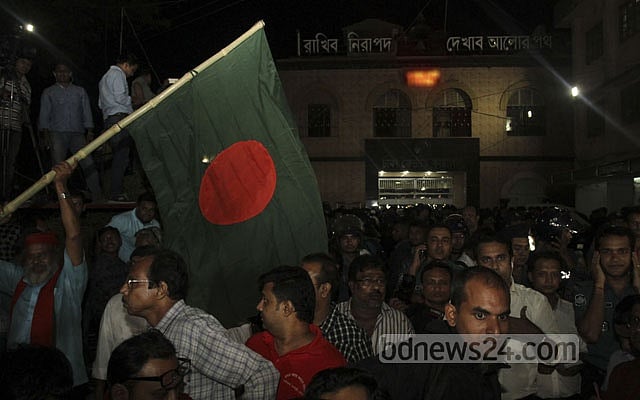
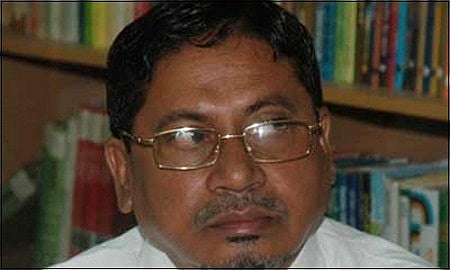
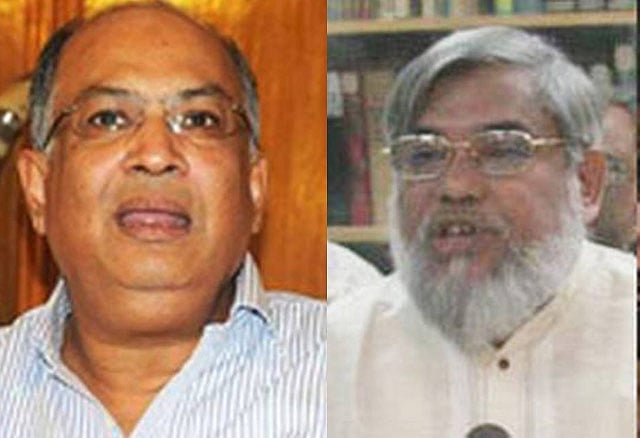
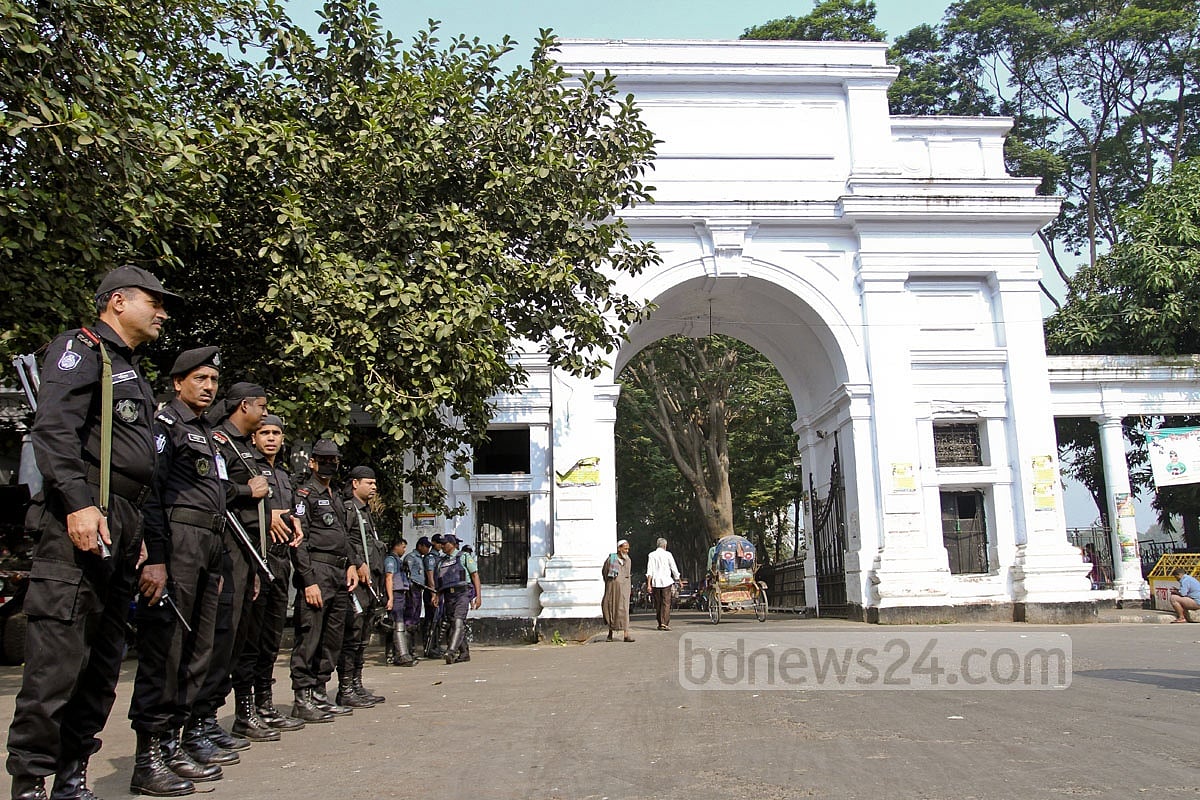
On Apr 11, Jamaat-e-Islami leader Mohammad Kamaruzzaman was hanged. On Nov 21, BNP leader Salauddin Quader Chowdhury and Jamaat Secretary General Ali Ahsan Mohammad Mujahid were executed at the Dhaka Central Jail.
The speed in executing the war criminals may have raised a few eyebrows in the West, but it was largely welcomed in Bangladesh where many seek justice for those who suffered horrible atrocities during the 1971 Liberation War.
In January, Justice Surendra Kumar Sinha was sworn in as the chief justice of Bangladesh.
Sinha, who hails from the indigenous community of the Bishnupriya Manipuri, is the 21st head of judiciary and the first non-Muslim to hold the position in Muslim-majority Bangladesh.
Immediately after taking charge, the chief justice moved to clear the backlog of cases pending. That has already yielded some results.
Hearings of death references and appeals in the BDR mutiny case—that involves the largest number of accussed and witnesses for any single trial in the history of Bangladesh—started in early 2015.
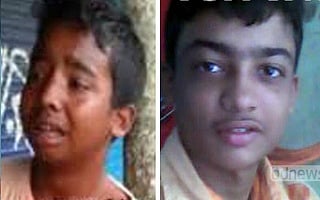
In mid-2015, torture leading to death of minors made headlines in Bangladesh.
Those involved in the murders of Samiul Alam Rajan in Sylhet and Rakib Hawalder in Khulna have been brought to justice.
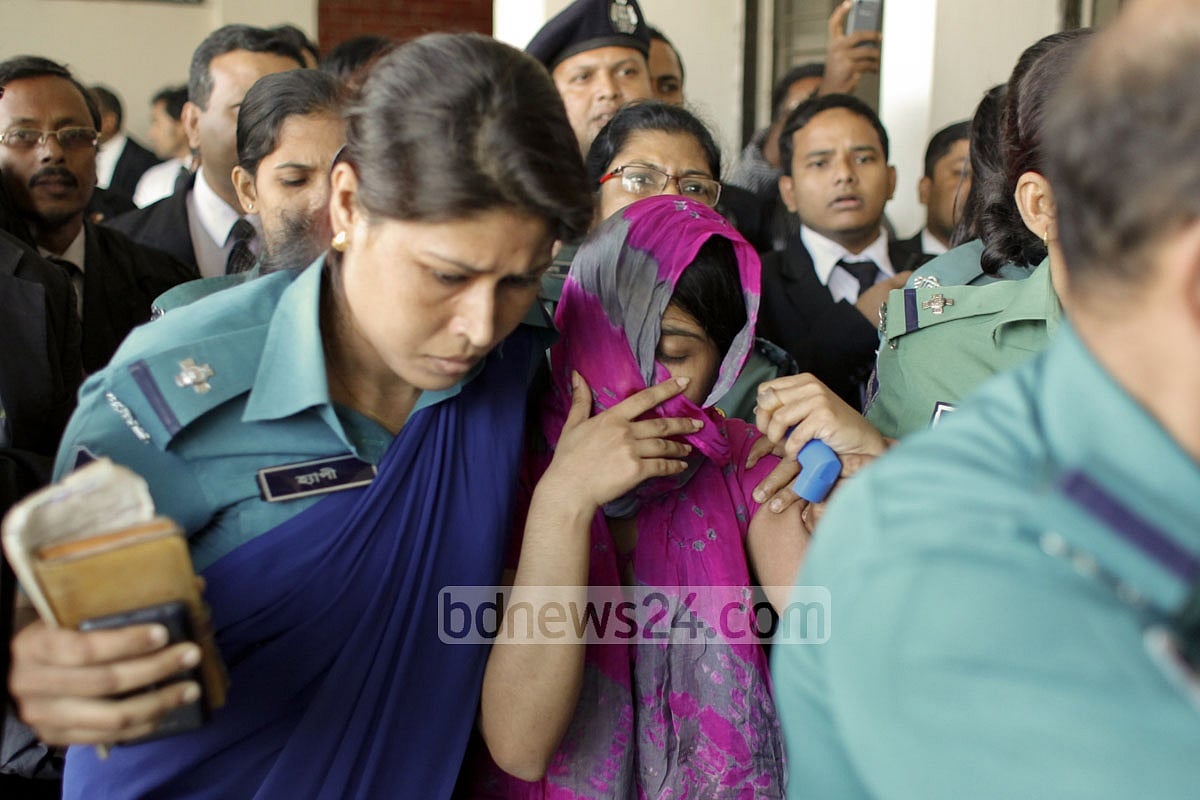
The year also saw the verdict in the 2013 murders of police officer Mahfuzur Rahman and his wife Swapna Rahman, which found the couple’s daughter Oishee Rahman guilty.
Parimal Joydhar, a former teacher of Viqarunnisa Noon School and College, got life in prison for raping one of his students.
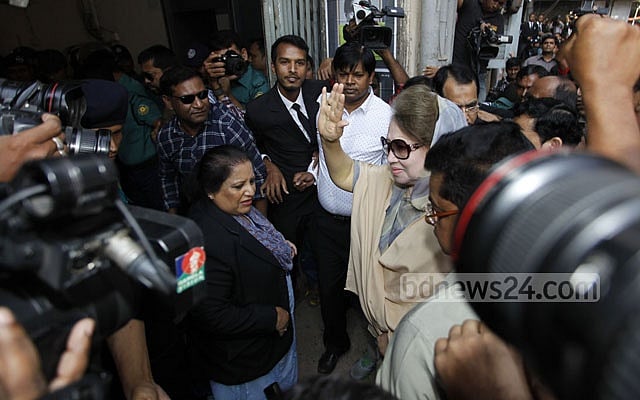
The judiciary finally managed to drag BNP chief Khaleda Zia to surrender in court in the graft cases.
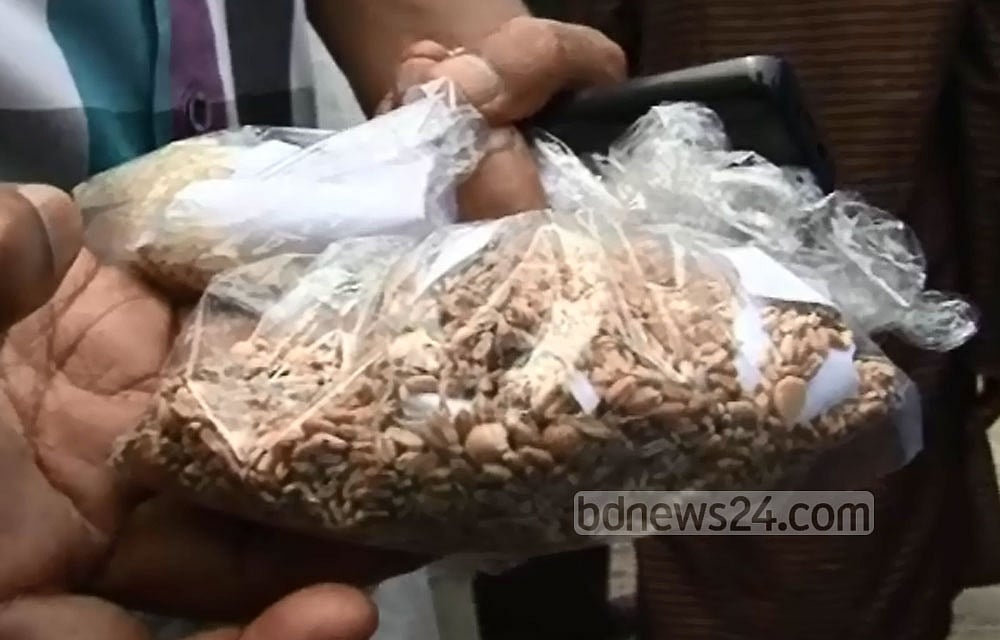
The legality of Mofazzal Hossain Chowdhury Maya's status as a MP was dealt with—as was the case involving the controversial import of Brazilian wheat and the petition for further probe in the sensational murder of seven at Narayanganj.
Turned down
Jamaat leader Mohammad Kamaruzzaman, a regional commander of the vigilante militia Al Badr in 1971, was found guilty by the war crimes tribunal in 2013 and given the death penalty, which was upheld by the top court a year later.
His petition for a review of the death sentence was turned down on Apr 6 this year and four days later on Apr 11, he was executed.
The full verdicts of the Supreme Court, which upheld death for war criminals Salauddin Quader and Mujahid, were published on Sep 30 and the top court’s decision on their review petition came on Nov 18.
The two were executed on the same day— Nov 21—at the Dhaka Central Jail.
Meanwhile, hearing of the appeal filed by Jamaat chief Motiur Rahman Nizami against his death sentence for war crimes has also concluded in December. The apex court is all set to give its decision on Jan 6 next year.
Verdicts of war crimes trial
The International Crimes Tribunal (ICT) has so far, pronounced its verdict in 21 trials and six of them came in 2015.
In February, the ICT-1 sentenced former Jatiya Party MP Abdul Jabbar to prison until death while Kishoreganj’s Syed Md Hasan Ali was given the death penalty in June. Both are absconding.
On Aug 11, Sheikh Sirajul Haque alias Siraj Master and Khan Akram Hossain was sentenced to death for the war crimes they committed in Bagerhat during the Liberation War.
Meanwhile, the ICT-2 gave Jamaat leader Abdus Subhan death penalty on Feb 18.
The tribunal awarded Chapainawabganj’s Mahidur Rahman and Afsar Hossain Chutu prison until death for 1971 war crimes.
On Jul 16, Patuakhali’s Forkan Mallik was given death sentence by the ICT-2.
In September, the number of war crimes tribunals was reduced from two to one.
After the first International Crimes Tribunal (ICT) was formed in 2010, another was constituted in 2012 to speed up war crimes trials. The second tribunal has been placed in abeyance as the number of cases dwindled.
Sensational verdicts of 2015
Verdicts in the much-talked murders of two minor boys— Sylhet’s Rajan and Khulna’s Rakib—were both delivered on Nov 8.
A Sylhet court ordered death sentence for four in the killing of Rajan, who was beaten to death on theft allegations. Five others were given different terms of prison, including one for life in the murder of the 13-year-old.
Two got death for the killing of Rakib Hawlader in Khulna. The 12-year-old boy’s former employers had inserted a high-pressure air pump nozzle into the rectum and filled his body with air at motorcycle repair workshop.
The high air pressure disintegrated the the boy’s intestines, rectum and bladder and caused death due to profuse internal bleeding in the stomach.
The Khulna court delivered its verdict after 10 days of hearing while the verdict for Sylhet’s Rajan murder came after 17 days of hearing, which lawyers said was a record time.
Four days later on Nov 12, a Dhaka court delivered the verdict in the murders of police officer Mahfuzur Rahman and his wife.
The couple’s daughter Oishee Rahman was found guilty and given the death penalty.
The teenage girl’s friend Mizanur Rahman Rony was convicted of abetment and given two years in jail.
Oishee’s other friend, Asaduzzaman Jony was acquitted of abetment charges.
Four years after a case was filed against Dhaka schoolteacher Parimal Joydhar accusing him of raping a student the court delivered its verdict on Nov 25.
The former Viqarunnisa Noon School and College teacher was given in life in prison.
On Feb 8, a Dhaka court ordered death for five activists of the ruling Awami League’s student front and life imprisonment for six others for the 2012 murder of Jahangirnagar University student Zubair on the campus.
On Nov 30, altogether 29 people were given the death penalty in seven separate murders in six districts in Bangladesh.
Khaleda, Maya, Khoka
In 2015, the Anti Corruption Commission revived the three graft cases against Khaleda Zia filed during the military-backed caretaker administration.
The High Court lifted the freeze and ordered the BNP chief to surrender before the trial courts in the cases relating to the Barapukuri Coal Mine, awarding container-handling job to GATCO and the gas exploration contract given to Canada-based Niko Resources.
Question arose over the legality of Minister Mofazzal Hossain Chowdhury Maya being an MP after the Supreme Court quashed the High Court verdict of an appeal by him against the trial court’s sentence for corruption.
The matter was settled when the High Court scrapped a petition by the lawyer challenging the legality of Maya holding offices of MP and minister.
Veteran BNP leader Sadeque Hossain Khoka was given 13 years in jail for corruption on Oct 20.
The court said that Khoka, who was tried in absentia, had acquired wealth worth Tk 100.50 million through illegal means and ordered confiscation of the assets.
Wheat, Narayanganj, Latif Siddique
The family of Narayanganj Councillor Nazrul Islam, who was among the seven killed in Narayanganj, moved the court over objections in the chargesheet filed by police.
The matter later went to the High Court, which ruled that the investigating authorities can go for a further probe.
The decision cleared the way for further probe or interrogation of suspects in the sensational murder of seven people.
The High Court also hit the headlines over the government's import of wheat from Brazil.
The court was moved after the police refused to receive the Brazilian wheat as part of its rations, claiming it was 'unfit for human consumption'.
The High Court ruled that no one can be ‘forced’ to consume that wheat and the authorities would have to take it back if anyone wants to return it.
Former Awami League Abdur Latif Siddique had to face up to the consequences of his anti-Hajj rant in 2014.
Apart from losing his Cabinet berth and party membership, he had spend almost half of 2015 in jail, deluged by more than 20 cases filed on charges that he had ‘hurt religious sensitivities’.
Siddique had moved the High Court to save his parliament membership, but his appeal was turned down.
2015 was also marked by a stunning verdict by the High Court, which banned broadcast and publication of comments made by BNP chief Khaleda Zia’s son Tarique Rahman, a fugitive in law who has been living in London since 2008.
A special High Court bench has started hearing death references and appeals of those convicted in cases filed over the 2009 BDR mutiny.
In its 2013 verdict, the trial court has sentenced 152 to death, life in prison to 161 and different terms of prison to 256, the largest number of convicts in any single trial in the history of Bangladesh.