


Published : 11 May 2015, 10:38 PM
Updated : 19 Oct 2022, 06:45 PM


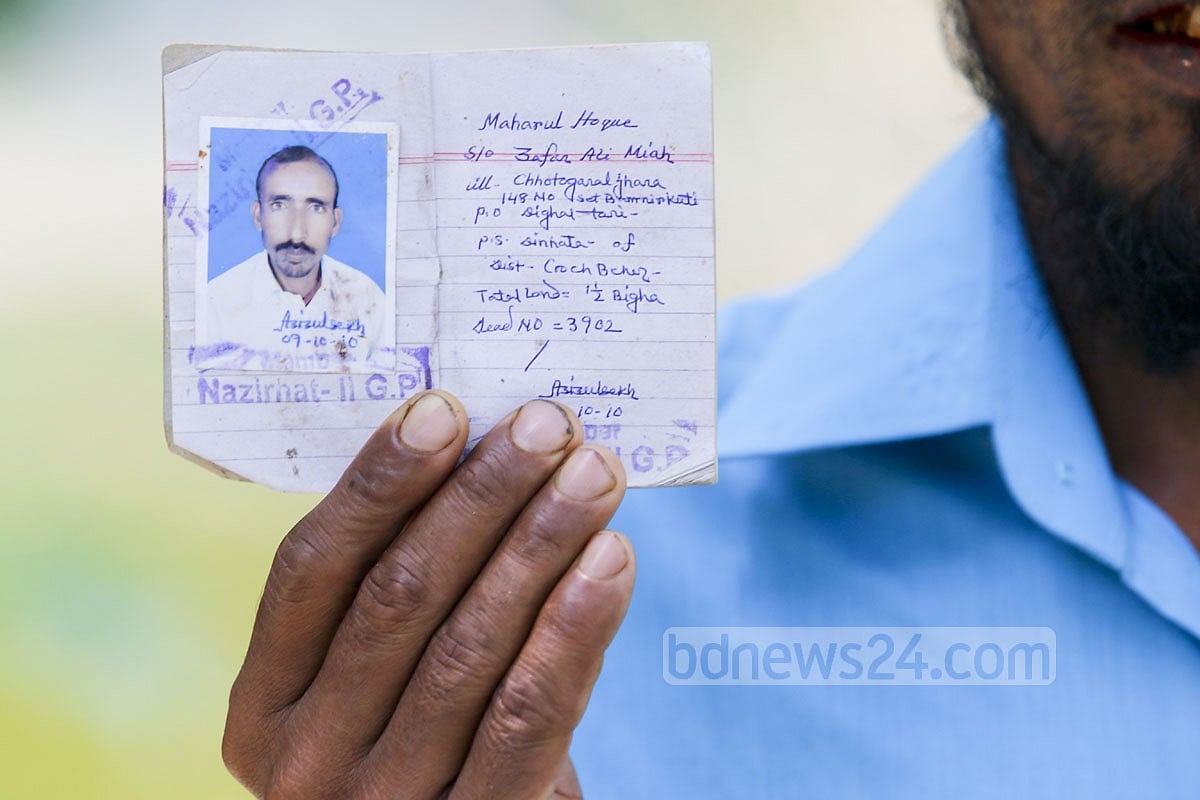
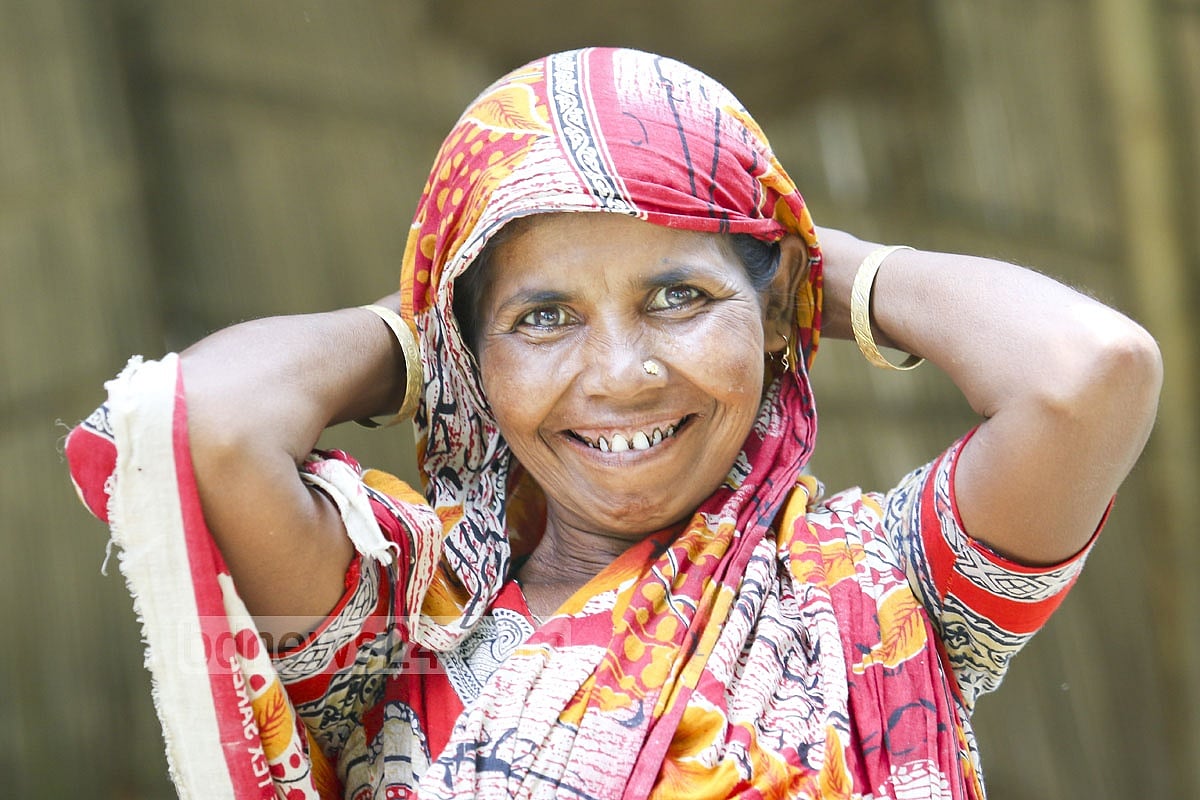
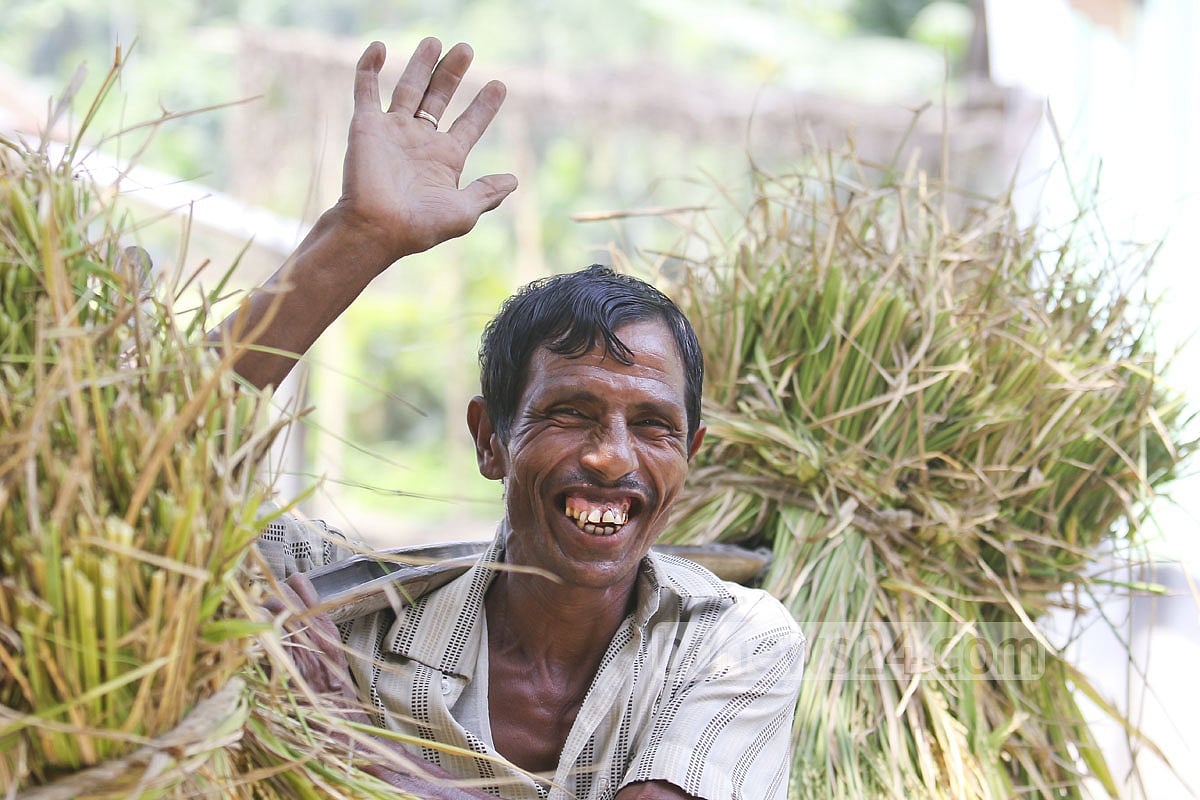
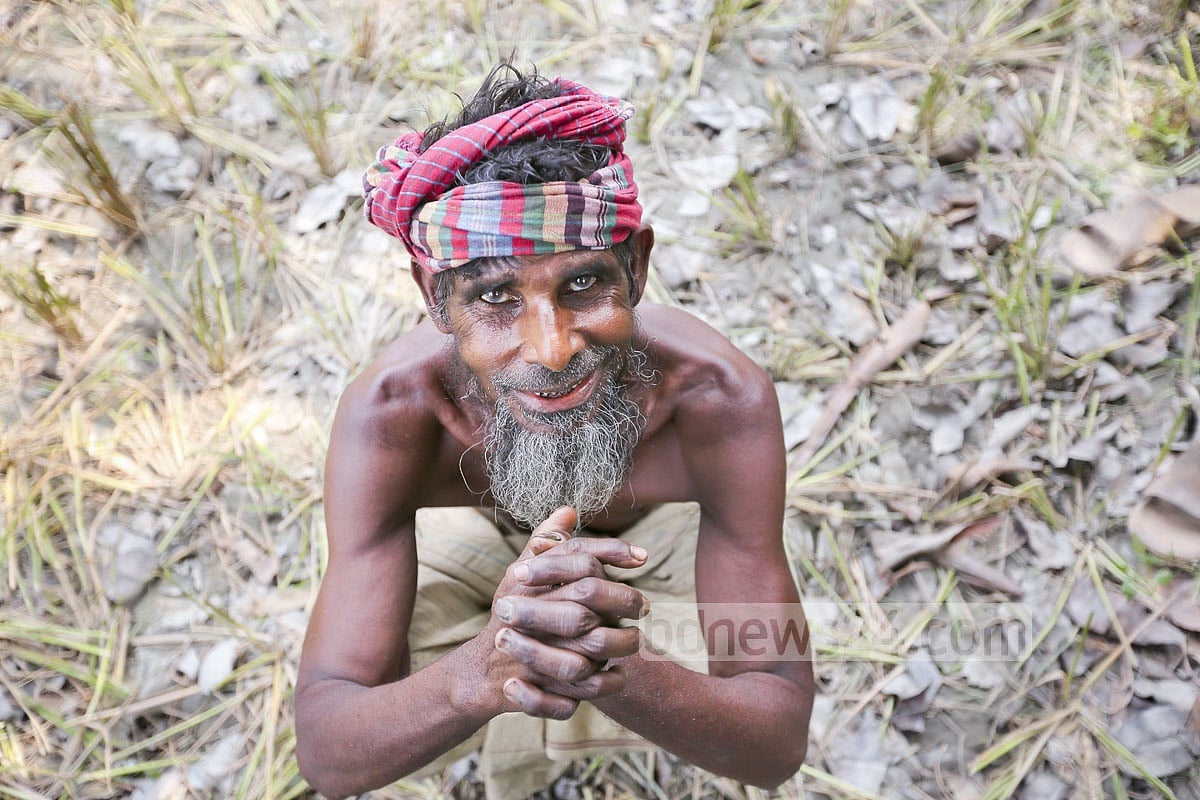


Nearly 9,000 people in Dasia Chharha are missing out the most on government-provided facilities for around seven decades.
They are Indian nationals but depend on services offered by Bangladesh government.
Boys and girls get limited access to schools in Bangladesh, but they are not provided any job here. Enclave residents even face restriction in marriage with anyone outside the area.
The enclave inhabitants expect they are going to be free from ‘deprivation’ now.
The 1,643-acre Dasia Chharha, situated in Fulbarhi under Kurigram district, will be a part of Bangladesh territory when the Land Boundary Agreement is implemented.
Enclaves of Bangladesh and India will be swapped after the Indian parliament approved the constitutional amendment to implement the agreement.
Dasia Chharha unit President of Bangladesh-India Enclave Exchange Committee Md Altaf Hossain told bdnews24.com they could not enjoy freedom after India and Pakistan gained independence from British rule in 1947.
“We spent the life of caged birds in the last 68 years. We spent a terrible life generation after generation,” he said.
“There is no hospital, electricity, school and college here. There is no judicial structure. We have no way to travel to any country. This is a terrible life,” he added.
Hossain said there were some educated people in their community who had pursued studies using Bangladeshi addresses, but they were not provided any job.
He referred to two cases in one of which two sons of an enclave inhabitant -- ‘Shahjada’ and ‘Shahjahan’ -- had qualified for jobs in the Bangladesh Army but could not join the service after police report.
Hossain sai, “Anta Ali’s son Abdul Mannan joined training in the army after he was cleared in the first police verification. A second verification was conducted after it became known that he is an enclave resident.”
“He was compelled to quit the job after being identified as an enclave resident,” Hossain said.
He said the two families had houses in Bangladesh territory as well.
Inhabitants of another enclave -- Bamnikuti -- in Kurigram’s Bhurungamari Upazila have similar experiences.
Shahjadi Begum of the enclave told bdnews24.com: “Bangladesh government allows our children to schools as we pay for that. But they don’t give them jobs as they have to pay for that.”
Two daughters of Shahjadi Begum study at a Bangladeshi school.
She said, “My daughter has secured A+ results in the PSC exams. But she is not given stipend though many get stipend with worse results.”
She said they face trouble getting their children admitted to schools.
An elderly man, Abu Jafar, said, “Enclave residents are nobody's people in a no man's land. We have to face so many hurdles at different times. I’m happy to know that we will now be citizens of Bangladesh.”
He said they were welcome neither in India nor in Bangladesh so far.













